
Kara Gavin
Research and Policy Media Relations Manager
Gavin draws on more than 25 years of experience in communicating about science, medicine and health policy. She focuses mainly on the health services research done by members of the U-M Institute for Healthcare Policy and Innovation, who work to understand and improve the safety, quality, equity and affordability of health care. As part of the Michigan Medicine communication team, she has lead responsibility for primary care and mental health topics. Contact: [email protected]; Twitter: @Karag


Health Lab
AI and psychosis: What to know, what to do
Artificial intelligence chatbots such as ChatGPT that use large language models (LLMs) to allow people to engage in conversations may heighten the risk of psychosis in vulnerable people – including teens and young adults.

Health Lab
Colon cancer screening: New data point to ways to boost uptake and follow up
Noninvasive colon cancer screening options have increased; new research looks at patient and physician preferences and impact of full follow-up colonoscopy insurance coverage.

Health Lab
Palliative care and hospice poll reveal major gaps
Hospice and palliative care knowledge among older adults varies greatly, but once they hear a definition, most are interested in receiving such care if they qualified.

Health Lab
As Medicaid work requirements loom, study finds links between coverage, better health and higher employment
A study of Michigan Medicaid expansion enrollees shows connections between coverage, health and employment.

Health Lab
Disability after 50: Poll looks at self-identity and help with health care
People over 50 who have serious or significant health conditions may not identify as disabled, nor ask for or receive accommodations in health care that the ADA provides for.
News Release
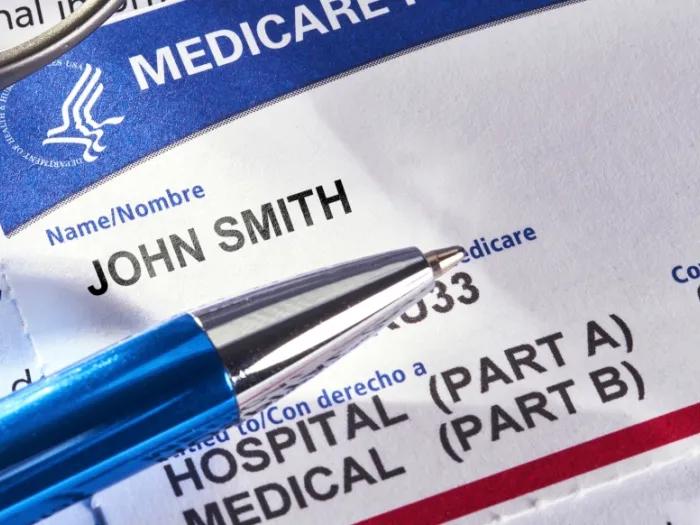
POM ACO saved Medicare nearly $35 million in 2024 while delivering high-quality care
An accountable care organization that includes physicians and providers from the University of Michigan Health network and others has saved Medicare $35 million in the MSSP program.
Health Lab
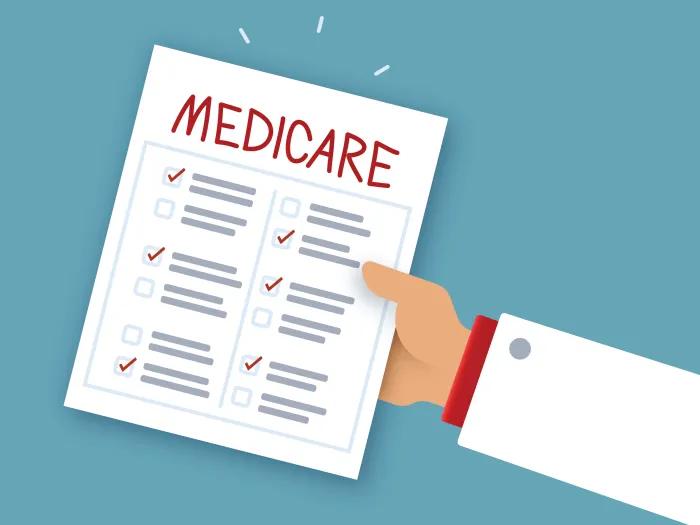
5 things everyone with Medicare should do right now
Part D prescription coverage and Medigap can be confusing. Follow these tips informed by U-M research.
Health Lab
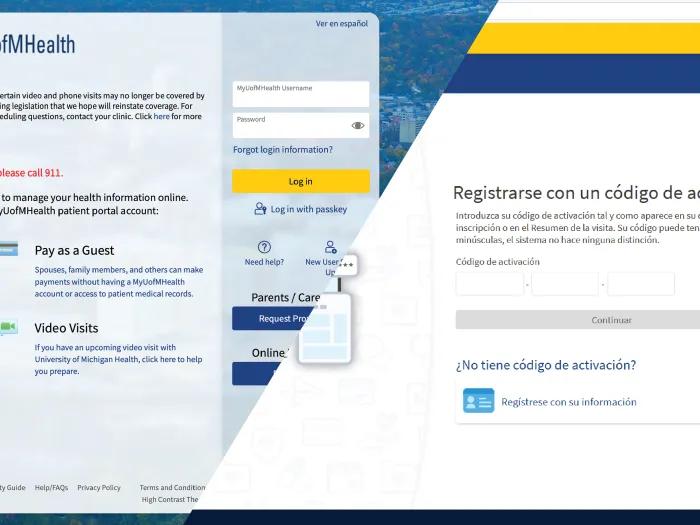
Language barriers in health care have fallen – but not online, study shows
A study of patient portal pages on hospital websites shows a lack of translation into languages beyond English and Spanish, which could create barriers to telehealth and other aspects of care.

Health Lab
Common hospice drugs linked to higher death risk in people with dementia
A study of hospice patients with dementia in nursing homes shows a higher risk of death in 6 months among those prescribed benzodiazepines and antipsychotics.
Health Lab
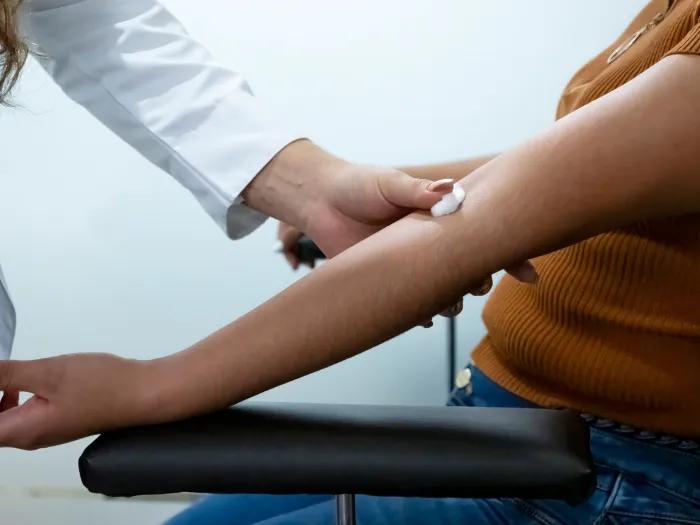
Tailoring and teamwork help hospitals reduce wasteful pre-surgery testing
A new study led by a University of Michigan team shows a way to achieve sustained success in reducing unneeded pre-op testing. The findings have already spurred an expansion of the program, called Right-Sizing Testing Before Elective Surgery, or RITE-Size for short.

Health Lab
Is everything you know about Alzheimer's wrong?
Amyloid’s role in Alzheimer’s disease and other forms of dementia doesn’t tell the whole story; other molecules and prevention via cardiovascular, social and cognitive.

Health Lab
Many older adults show signs of ultra-processed food addiction
Addiction to ultra-processed foods – sometimes called “junk” foods – is especially high among Generation X women and older adults who call themselves overweight

Health Lab
Pairing up for health visits helps most older adults who try it
A poll looks at “care companions” who go to doctor’s appointments and other health care visits with someone else.

Health Lab
Small rewards lead to big wins for saving veterans' lives
Contingency management, which offers people small rewards for progress in recovering from drug addiction, was linked to fewer deaths in veterans with methamphetamine, cocaine or prescription drug issues.
Health Lab
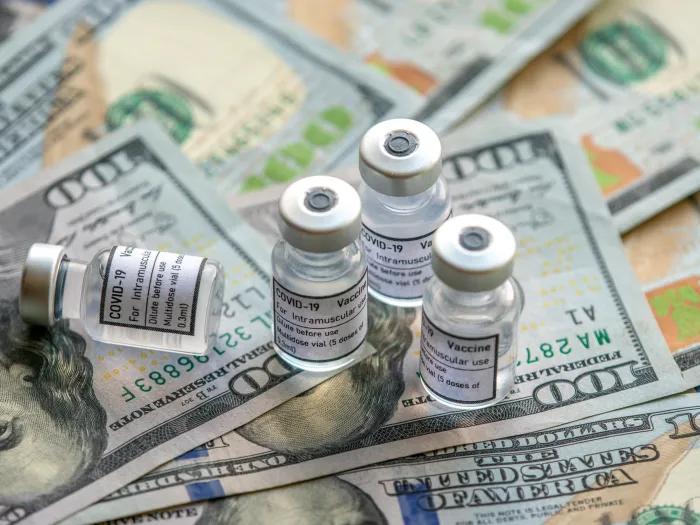
Broad COVID-19 vaccination makes economic sense, especially for older adults
COVID-19 vaccination of people over 65 would save the country money, and vaccination of younger groups of adults would be a reasonable investment
