
Nicole Fawcett
Director of Communications, University of Michigan Rogel Cancer
Fawcett leads a team of communicators who produce targeted, innovative communication for the Rogel Cancer Center’s research and clinical enterprises. Prior to Michigan Medicine, Fawcett was a reporter at the Detroit News and editor for a web-based community for people with disabilities.


News Release
Rogel Cancer Center receives $50M gift to revolutionize pancreatic cancer care, research
New Rogel and Blondy Center for Pancreatic Cancer will bring together researchers and clinicians to drive forward new treatments and improve outcomes

Health Lab
Research points to potential new treatment for aggressive prostate cancer subtype
In two separate papers, U-M researchers describe how a gene alteration drives prostate cancer and a potential degrader that stops it

Health Lab
Organoid model predicts bladder cancer treatment response
Researchers have developed a new model to help predict treatment response in patients with bladder cancer.

Health Lab
New law regulating out-of-pocket drug spending saves cancer patients more than $7,000 a year
A study finds that efforts to cap prescription drug spending are yielding significant out-of-pocket savings for these patients.
Health Lab
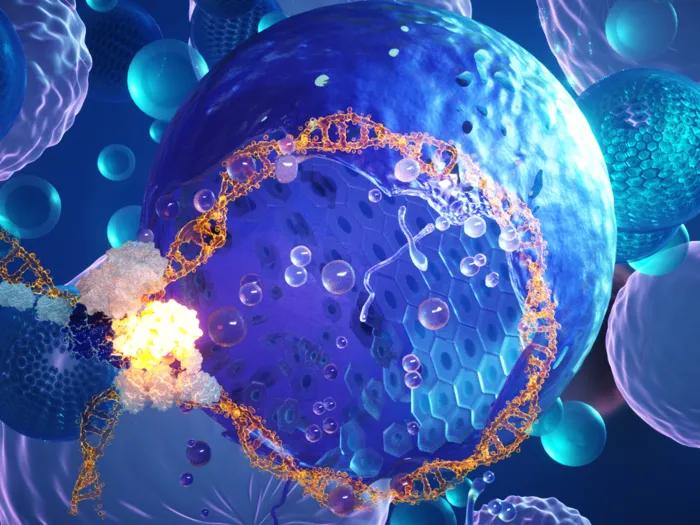
Researchers identify factor that drives prostate cancer-causing genes
Researchers have uncovered a key reason why a typically normal protein goes awry and fuels cancer. They found the protein NSD2 alters the function of the androgen receptor, an important regulator of normal prostate development.
News Release
Rogel Cancer Center names Baladandayuthapani as associate director for quantitative data sciences
Baladandayuthapani will facilitate cancer research efforts using biostatistics, bioinformatics, computational biology and other advanced data science approaches

Health Lab
Many breast cancer survivors don't receive genetic testing, despite being eligible
As cancer treatment and survivorship care relies more on understanding the genetic make up of an individual’s tumor, a study from the University of Michigan Health Rogel Cancer Center finds that many breast cancer survivors who meet criteria for genetic counseling and testing are not receiving it.
Health Lab
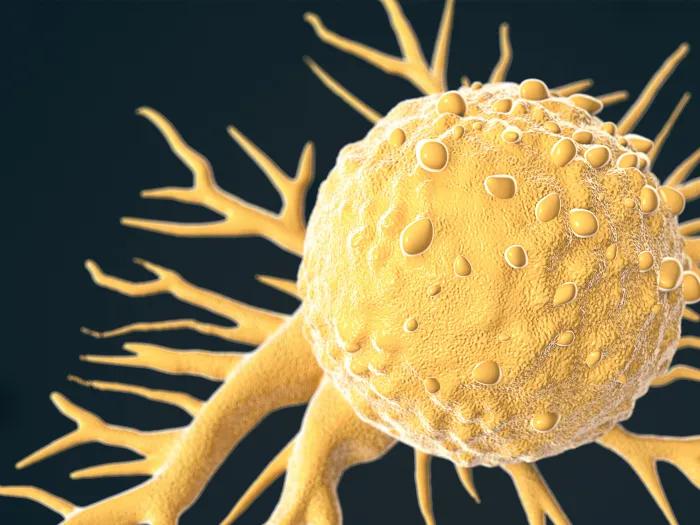
Researchers find common immune system mechanism between pregnancy, cancer
Researchers find common immune system mechanism between pregnancy, cancer
News Release
Rogel Cancer Center funds 4 Michigan community groups to provide cancer screening, prevention programs
Funding will allow local organizations to implement programs and services aimed at reducing disparities in cancer
Health Lab
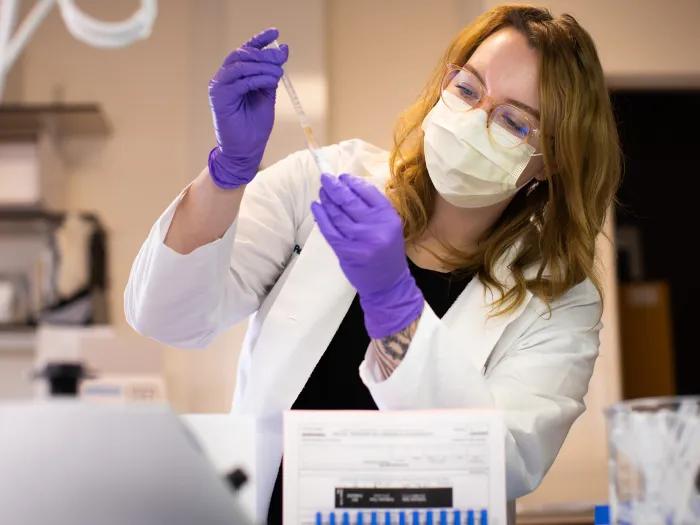
Altering cancer treatment dosing could reduce climate impact, study finds
Changing how often a popular cancer therapy is delivered would reduce greenhouse gas emissions and improve environmental impact without decreasing cancer survival, according to a new analysis from researchers at the University of Michigan Health Rogel Cancer Center.

Illuminate
Training Tomorrow's Cancer Leaders
Learn how the Rogel Cancer Center is working to inspire and train the next generation of cancer scientists and doctors.
Health Lab
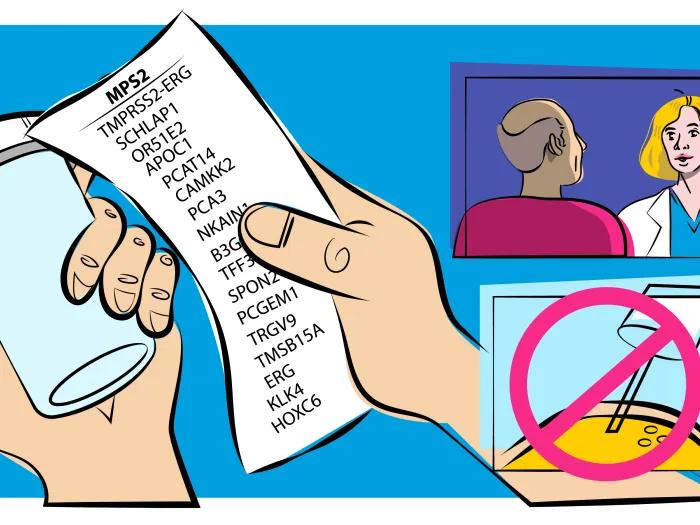
New urine-based test detects high grade prostate cancer
A new urine-based test helps men avoid unnecessary biopsies and addresses a major problem in prostate cancer: how to separate the slow growing form of the disease unlikely to cause harm from more aggressive cancer that needs immediate treatment.

Health Lab
Drug pricing program improved prostate cancer treatment adherence
Socially vulnerable patients were more likely to stick with oral medications when treated at a hospital participating in 340B program, suggesting these hospitals may have more resources to help patients.

Health Lab
New model of key brain tumor feature could help scientists understand how to develop new treatments
Model shows how oncostreams form and behave in brain tumors – and how to inhibit them

Health Lab
How to make cancer prevention more equitable
Expert explains six behavioral risk factors for cancer and why current programs don’t always meet the needs of people from racially and ethnically minoritized groups and other vulnerable populations.
