
Tessa Roy
Roy handles communications for several departments across Michigan Medicine, including Kellogg Eye Center, nephrology, Survival Flight/emergency medicine, diabetes/endocrinology, allergy/dermatology, and women’s and children’s. She was previously a journalist and a state government staffer in Rhode Island and Michigan. Contact: [email protected]; Twitter: @Tessa_Roy


Health Lab
Turning back the clock on photoaging skin
Experts observed in a new study that injection of the most popular type of dermal filler, cross-linked hyaluronic acid, into photoaged skin could reverse the dermal changes associated with photoaging.

Health Lab
Studying cells to improve medulloblastoma treatment
Research from Michigan Medicine experts is shedding light and potentially expanding options for patients living with an aggressive childhood cancer.

Health Lab
The ‘tripledemic’ surge
Focusing on the ‘tripledemic’ of RSV, flu and COVID-19 infections that occurred last year, their results underscore the importance of all types of hospital emergency departments being prepared to care for sick children, especially when health systems become strained.

Health Lab
A diabetes device that makes a lot of “Sense”
Living with diabetes at such a young age comes with challenges, but those challenges have inspired Jackson, now 8 years old, to come up with ways for people like him to live a little easier with a new device called "SensePod".

Health Lab
Child care centers aren’t a likely source of COVID-19 spread, study says
Research published from experts at Michigan Medicine, the University of Pittsburgh School of Medicine, and UPMC Children’s Hospital of Pittsburgh shows that children in daycare centers were not significant spreaders of COVID-19

Health Lab
Examining sexual health equity in emergency care
Research from experts at Michigan Medicine is highlighting the potential for additional at-home assistance for partners of those who are treated in the emergency department for a sexually transmitted infection.
Health Lab
Potato starch supplements could be solution to bone marrow transplant complications
University of Michigan Health Rogel Cancer Center scientists have found a potential solution for preventing a common and dangerous complication in patients that receive stem cell transplants from a donor’s blood or bone marrow.

Health Lab
Improvements in human genome databases offer a promising future for cancer research
A gene sequencing method called ribosome profiling has expanded our understanding of the human genome by identifying previously unknown protein coding regions. Also known as Ribo-seq, this method allows researchers to get a high-resolution snapshot of protein production in cells.

Health Lab
Combating Crohn’s with comics
A teenage patient’s unique way of detailing his experience with Crohn’s disease.
Health Lab
Language barriers in cancer care
Research from experts at Michigan Medicine shows that significant language-based disparities exist in patients’ access to cancer care services, and it’s well before their first appointment with a doctor.

Health Lab
Despite social media claims, Borax is not safe to consume
A Michigan Medicine explains a dangerous TikTok trend about Borax

Health Lab
Research sheds new light on gene therapy for blood disorders
Research from experts at Michigan Medicine, the Children’s Hospital of Philadelphia and Penn Medicine is breaking ground on new ways of treating blood disorders, such as sickle cell anemia, through gene therapy.

Health Lab
“Eggsplosions” and eyes don’t mix
The social media trend involving microwaving hard boiled eggs, then slicing them to explode, can be dangerous to your eyes experts say.

Health Lab
The Barbie feet challenge isn’t worth your Ken-ergy
A social media trend inspired by Barbie can cause pain and injuries if done for too long, says a foot expert at Michigan Medicine.
Health Lab
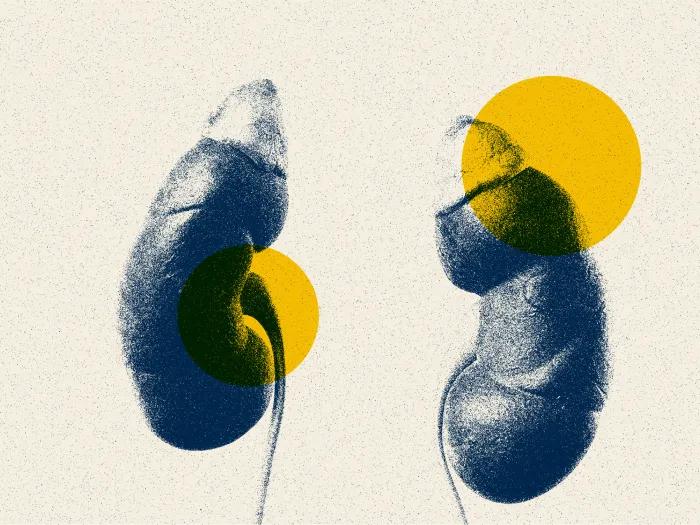
Research analyzes kidney functions and predictors of disease
The research describes the creation of a cellular atlas of the kidney describing nearly 100 cell types and states. It represents the most comprehensive study of cellular states, neighborhoods, and outcome-associated signatures in the kidney.
