Improving the clinical experience through data and better EHR workflows

University of Michigan (U-M) Health, inclusive of the Academic Medical Center (AMC), U-M Health-Sparrow, and U-M Health-West, received two international EHR Experience Breakthrough Recognition awards from the KLAS Arch Collaborative for improving the electronic health record (EHR) experience for physicians and nurses. The recognition reflects a collaborative effort to make U-M’s EHR system more efficient and easier to use.
The award was presented at the KLAS Arch Collaborative Learning Summit this summer. Accepting the awards were key contributors, Greta Branford, MD, clinical assistant professor of Internal Medicine and Pediatrics and associate chief medical information officer for ambulatory care services; Rino Bautista, MD, clinical informatics project manager; and Michael Lanham, MD, chief medical information officer.
The EHR Experience Breakthrough Recognition honors organizations who have improved their Net EHR Experience Score (NEES)—a KLAS measure of satisfaction with EHR systems—by 15 points or more since their previous measurement. The survey, which ran from November 2025 through January 2026, collected responses about EHR experience from 4,439 physicians, advanced practice providers, nurses, and allied health professionals, and saw a 22.3 point increase for physicians and a 15.6 point increase for nurses. U-M Health was one of only two U.S. organizations to achieve improvement for both physicians and nurses.
In-basket management and reducing clinician burden
For Dr. Branford, improving the EHR experience is closely connected to reducing administrative burden and helping clinicians focus on patient care. A focus of Dr. Branford’s work is aimed at enhancing workflow efficiency, reducing burnout, improving patient satisfaction, and optimizing technology at Michigan Medicine. This includes standardizing procedures, improving in basket cleanliness, enhancing clinical documentation, etc. Dr. Branford has been instrumental in driving initiatives under the KLAS Arch Collaborative to benchmark and enhance EHR experiences and improve systems.
Through the In Basket 360 initiative, Dr. Branford and colleagues use data from KLAS to reduce in-basket clutter and introduce policies to improve message routing and workflows. The team removed millions of outdated messages over the last three years and created new auto-remove settings to prevent message pileup in the future. These efforts have made it easier for clinicians to identify and address the communications that need their attention.
Using data and technology to improve the clinical experience
Dr. Branford and colleagues use KLAS survey and EHR usage data to identify improvements and assess the impact of change. Tools such as the Epic Signal Dashboard help examine workflow patterns and sources of inefficiency. Another focus area has been implementation of ambient technologies, including DAX Copilot, which uses voice technology to generate clinical notes from patient encounters, eliminating the need to type throughout the visit and leaving more attention for the patient. U-M is also evaluating the use of other AI tools to support chart summarization, message management, and for drafting comments.
Establishing a benchmark for One Epic
As U-M Health works on consolidating its three Epic environments for AMC, Sparrow, and West, into one integrated platform known as “One Epic”, KLAS data will provide a benchmark for clinician experience.
Dr. Branford and the clinical informatics team will continue using this data to identify priorities, evaluate changes, and support a more consistent experience across the enterprise. The goal is not just to improve a satisfaction score, but to make the EHR experience more effective for clinicians by supporting workflows, reducing administrative burden, and giving them more time with their patients.
In This Story
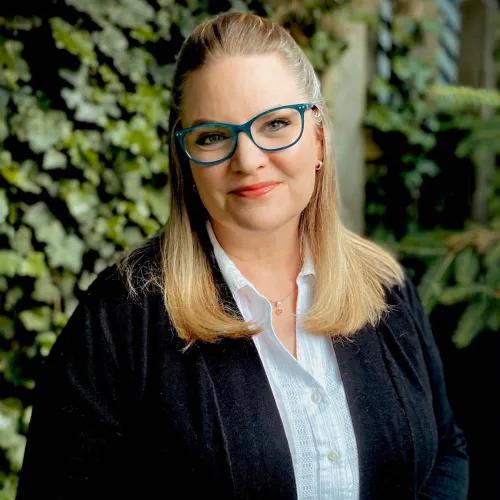
Greta L Branford, MD
Clinical Assistant Professor
Featured News & Stories

How to discuss health care and end-of-life wishes during the holidays

Court appointed medical guardian study reveals role in care of highly vulnerable older adults
Wife of man diagnosed with 2 types of dementia recalls first symptoms: 'It wasn't obvious'
What’s changing in Medicaid and what can you do?
What Can a Blood Test Really Tell Us About Alzheimer’s Disease?