Michigan Medicine Elevates Pediatric Emergency Care on the National Stage

Author | Danielle Jimenez

PAS attendees pose in front of a poster

From Ann Arbor to Honolulu, Michigan Medicine made waves at this year’s Pediatric Academic Societies (PAS) conference — sharing groundbreaking research, connecting across institutions, and spotlighting its growing impact in pediatric emergency medicine (PEM). 

“PEM is a small field that overlaps both pediatrics and emergency care,” said Alexander Rogers, MD, Emergency Department Division of Pediatrics Director. “PAS is one of the few national conferences where our specialty is well represented.”

a PAS attendee poses in front of poster

Rogers helped lead a multi-site study on hypothermia in infants, with interim findings presented in posters and a platform session. 

“It was a great opportunity to share data, support our collaborators, and strengthen national partnerships,” he said.

Beyond research, PAS offers valuable networking, especially for trainees. 

“It was surreal to meet researchers whose papers I’ve been reading all year,” said first-year PEM Fellow Anna Bauman. “It’s motivating to see what's going on across the country, and a chance to see you’re not alone in your challenges. There’s a whole community working toward the same goals.” 

Dr. Bauman also made national connections in pediatric readiness, her research focus, and praised the conference’s support for early-career professionals. 

“You're never alone in your wins and your losses,” she said. “There's always someone out there experiencing similar challenges. It was really awesome to see all these projects that people were able to bring to fruition, and I hope I can also contribute in that way someday.”

a PAS attendee poses in front of poster

Michigan Medicine had a strong presence at the event, with providers from across the state connecting and collaborating. Several co-fellows and faculty presented original research, helping to elevate the department’s national reputation. 

“It's a chance to have the University of Michigan name out there,” Dr. Rogers said. “It's also a great opportunity to exchange ideas, highlight the scientific accomplishments of folks in our department, a chance to network, develop mentorships, and support visibility.”

By showing up, presenting research, and building connections, Michigan Medicine is helping shape the future of pediatric emergency care — one national conversation at a time.

(Story by Danielle Jimenez, Communications Specialist, Department of Emergency Medicine)


More Articles About:

Emergency & Trauma Care emergency departments Emergency Medicine

In This Story

Alexander J. Rogers

Alexander Joseph Rogers, MD

Clinical Professor

Anna Bauman

Anna Bauman, MD

Pediatric Emergency Medicine Fellow, Department of Emergency Medicine

Featured News & Stories
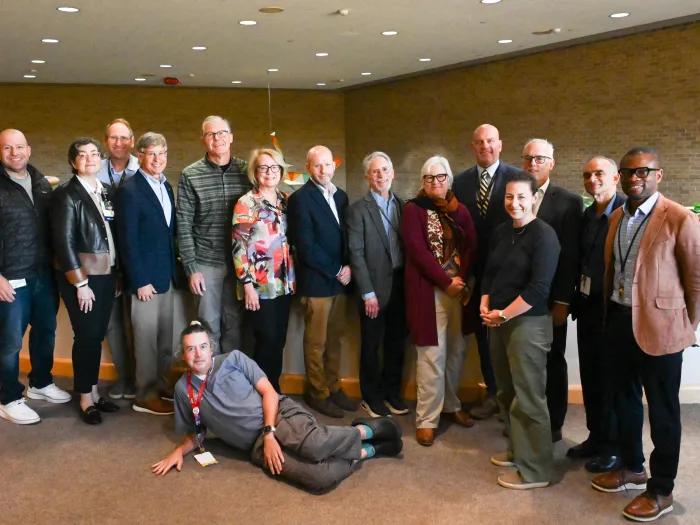
Group of Faculty, including retirees pose for a group photo
Department News

Department of Emergency Medicine Celebrates 25 Years at Anniversary Town Hall
The University of Michigan Department of Emergency Medicine brought together faculty, staff, trainees, alumni, and former leaders on October 22 to celebrate its 25th anniversary and reflect on the people and accomplishments that have shaped its history.
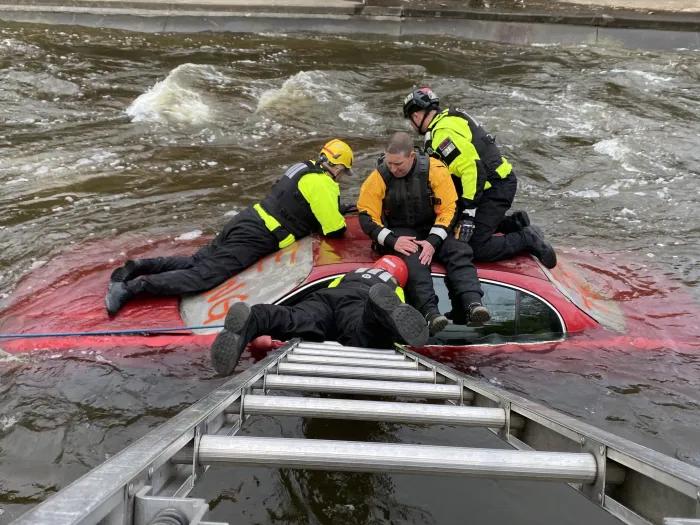
a ladder stretches to a car submerged in water. Four people sit on top the car.
Department News

Into the Current: Dr. Nate Hunt Brings Specialized Water Rescue Expertise Back to Michigan Medicine
This year, Nate Hunt, MD, Director of the Emergency Medical Services (EMS) Fellowship program, Medical Director of Survival Flight, and clinical assistant professor of emergency medicine, spent a week at the school in South Bend, Indiana.
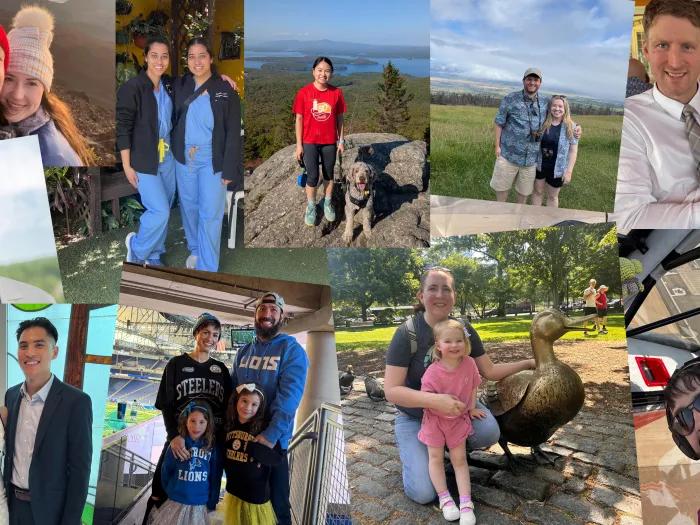
Collage of every faculty's and fellow's photos from the story
Department News

Meet Our New Emergency Medicine Fellows and Faculty
This year’s group brings a wide range of experience and interests to Michigan EM — from point-of-care ultrasound and medical education to traumatic brain injury, pain medicine, and acute neurological emergencies. Some are new to U-M, while others are familiar faces continuing their Michigan journeys. Get to know our new Emergency Medicine fellows and faculty.
Group photo of CES Founders
Department News

From walk-in clinic to national leader: How Michigan Medicine’s Pediatric Emergency Division was built
In the late 1980s, Michigan Medicine’s pediatric emergency care was more like a walk-in clinic tucked in a corner of the adult emergency department. With limited resources and space, and only two physicians trained in pediatric emergency medicine (PEM), with others moonlighting, it was a humble start fueled by a love for kids, grit, and a vision for something better.
Patient on stretcher taking the elevator with a lot of physicians around
Department News

The Long Road to Emergency Medicine: How Michigan Built a New Specialty
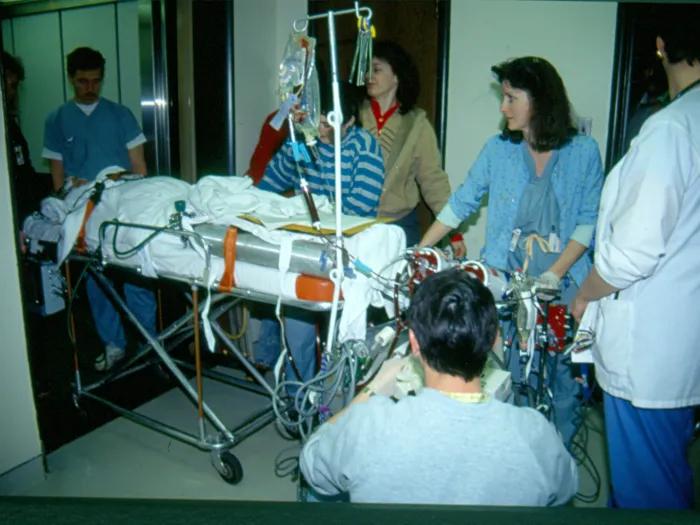
Michigan Emergency Medicine evolved from a small emergency service into an independent department and national leader in care, research and education.
Sue, Elaine and Brian stand in front of a Survival Flight helicopter
Department News

Miracle Man: Saved in a High-Risk Winter Flight, 24 Years Later, a Family Still Gives Thanks

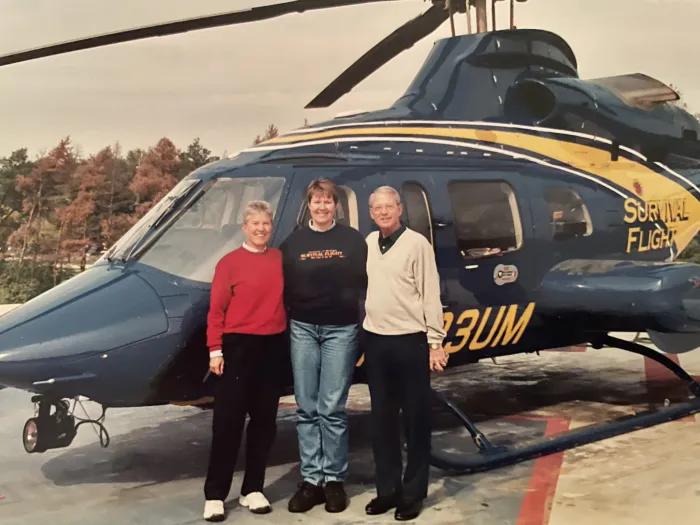
In February 2002, Brian Campbell suffered a heart attack and became critically ill at a Kalamazoo hospital. With his condition rapidly worsening, a University of Michigan Survival Flight team was called to transport him to Ann Arbor for advanced care. Flight nurse Elaine Philipson and her partner worked through subzero temperatures and deep snow to safely prepare Brian for the flight, overcoming several challenges along the way. Brian spent two weeks hospitalized at U-M and later suffered a stroke, but survived. Philipson continued checking on Brian and his wife, Sue, even after the transport was complete—an act of compassion the couple never forgot. Twenty-four years later, Brian continues moving forward despite ongoing challenges. Each year on the anniversary of his flight, the Campbells contact Philipson to express their gratitude, a lasting reminder of the profound impact healthcare teams can have on patients and families long after an emergency ends.