Gene editing is coming for common diseases. Are we ready?
Cardiologists who study gene therapy explain its promise, risks and the safeguards needed for responsible use
10:00 AM
Author |

Gene therapy is no longer the future of medicine — it’s reality. Treatments that replace, silence or edit genes are already changing clinical care.
There are more than 6,000 rare genetic disorders but only a fraction currently have treatable targets.
Early successes in gene therapy have focused on these rare disorders, such as spinal muscular atrophy and sickle cell disease. But research is rapidly moving toward genomic therapies to treat common conditions, including high cholesterol, heart disease, obesity and diabetes.
When is gene therapy the right choice? When does the potential benefit of gene editing outweigh possible permanent harm?
In a recent perspective published in JAMA Internal Medicine, University of Michigan Health Frankel Cardiovascular Center cardiologists Eric D. Smith, M.D., and Venkatesh L. Murthy, M.D., Ph.D., proposed strategies for determining when genomic therapy is justified.
Here, the two cardiologists, who study gene therapy, answer questions about the promise surrounding these treatments and the risks that remain as gene editing moves into the mainstream.
Some gene therapies are described as “one-and-done” treatments. What makes a permanent genetic intervention different from taking medication for the rest of your life?
Smith: Conventional medications work only while patients continue taking them. Genomic therapies can supply a functional copy of a gene, reduce the activity of a harmful gene, or directly edit a DNA sequence.
Because they act at the level of genetic material, many are designed as single-administration, or "one-and-done," treatments. But that does not guarantee their benefits will last forever. Many of these therapies rely on viral delivery vehicles and the body's immune response often prevents a second dose from being given even if one were needed.
It is also important to distinguish these treatments from germline editing. Current gene therapies target somatic cells, meaning any genetic changes are not intended to be passed to future generations.
If we eventually can prevent conditions like high cholesterol, heart disease, obesity or diabetes with a single treatment, why shouldn't everyone get one?
Murthy: For rare, severe diseases, the case can be relatively straightforward: The unmet need is high, and patients may have few or no effective alternatives.
The calculation becomes more complex for common conditions, where genomic therapies may compete with treatments that already work well and can be adjusted or stopped if problems arise.
At the population level, even extremely rare side effects could affect large numbers of people if millions receive treatment. As therapies move from rare diseases to common conditions, the safety bar must rise accordingly.
As gene-editing therapies move into more common conditions, how do we decide when the benefits outweigh the risks?
Smith: We have proposed five questions to consider before using a genomic therapy:
- How severe is the disease?
- Are effective, reversible alternatives already available?
- Is the target tissue suitable for a durable, one-time intervention?
- Is the risk of the delivery method proportionate to the condition being treated?
- Can safety and effectiveness be monitored over the long term once the therapy reaches large populations?
That last question may be the most difficult and urgent.
Clinical trials are often too small and too short to identify rare complications or problems that emerge years after treatment. Those risks may become visible only after a therapy is used in a much larger population.
What must happen before gene therapies can be responsibly used in large populations?
Smith: Long-term safety monitoring must be built into the way a therapy reaches patients.
Existing registries have demonstrated the value of long-term surveillance, but therapies used by millions of people will require independent, standardized systems capable of evaluating safety and effectiveness over time.
Genomic medicine needs similarly durable systems for long-term monitoring.
Are some diseases or biological targets simply not appropriate for permanent gene therapy?
Murthy: Possibly. The fact that we can develop a genomic therapy for a condition does not necessarily mean that we should.
Many common conditions already have effective treatments that can be adjusted or stopped if problems occur. Because permanent interventions lack that flexibility, they may be poorly suited for targets that require frequent dose adjustments, have a narrow therapeutic window or carry substantial risks when over- or under-corrected.
Future genomic therapies may include biological “off-switches” or other mechanisms for reversing their effects. Until those safeguards are proven reliable, reversibility should be viewed as an important clinical benefit.
Cost must also be part of the discussion. Some currently available gene therapies have list prices exceeding $1 million per patient, with several priced substantially higher. While a one-time therapy may make sense for a rare, life-threatening disease, similar pricing models would be difficult to sustain for conditions affecting millions of people.
Before genomic therapies move into common diseases, we must consider not only whether they work, but also whether patients can access them and whether health systems can afford them without worsening disparities.
Are we entering a future where a single genetic treatment could prevent heart disease for decades? What must we get right before that future arrives?
Smith: That possibility is no longer purely hypothetical. Early studies are already testing whether a single gene-editing treatment can produce long-lasting reductions in LDL, or “bad,” cholesterol.
Before these therapies are used broadly, researchers must demonstrate long-term safety, durability, affordability and appropriate safeguards.
The goal is not to slow progress. It is to ensure these therapies are introduced responsibly as they move from treating rare diseases to potentially millions of patients.
Paper cited: “Clinical Framework for Durable Genomic Interventions,” JAMA Internal Medicine. DOI: 10.1001/jamainternmed.2026.4690

Health Lab
Explore thousands of health news & research stories by visiting the Health Lab homepage for more.
In This Story

Venkatesh L Murthy, MD, PhD
Professor
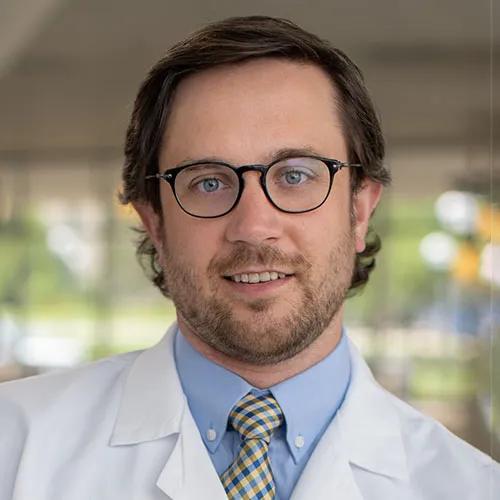
Eric Smith
Assistant Professor
Related

$3.9 million NIH grant to fuel U-M effort to develop first targeted therapy for fatal childhood brain disorder

FDA-approved drug offers hope for patients with polycythemia vera, a rare bone marrow disorder
Featured News & Stories

Digital alerts support timely treatment decisions of critically ill cardiac patients

Bigger data reveals the second, third and fourth switches controlling a gene

Is the United States Lagging Behind Europe in Memory Improvement?
Young father survives aortic dissection after delayed diagnosis

C.S. Mott Children’s Hospital first in country to implant expandable heart valve during FDA review phase