
Research
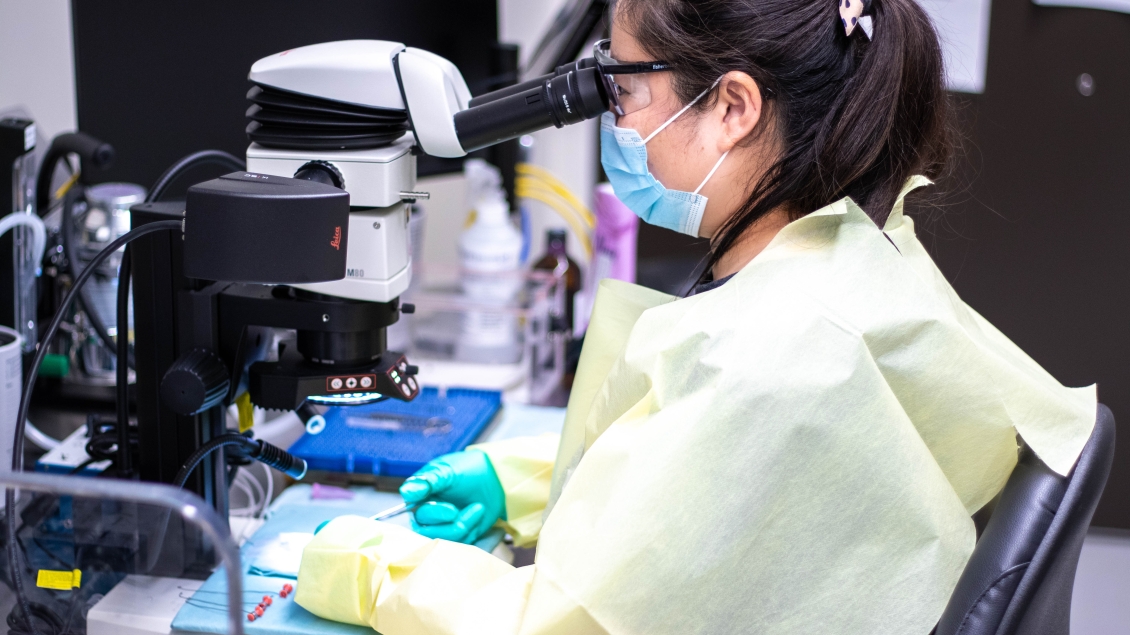
Brain and Heart Health are Deeply Intertwined
Featured Faculty Research
Health Lab: Supplementing with peptides: Good for extra pep or a needless step?
Here, Jorge Ruas, Ph.D., of the U-M Department of Pharmacology, talks about peptides, how they work and whether supplementing them lends any benefit.
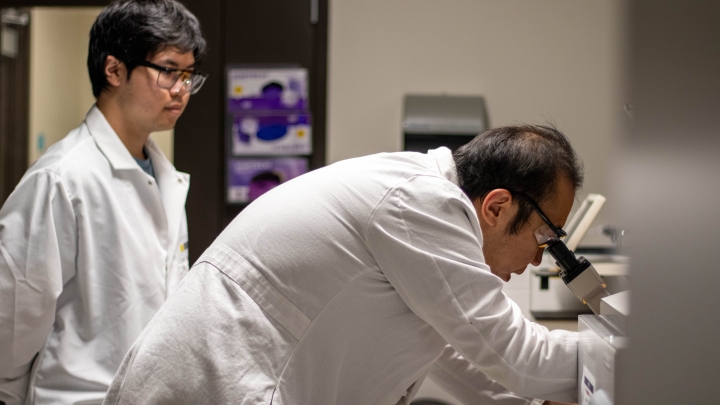
The Rosenzweig Laboratory
The Rosenzweig laboratory is interested in why the heart fails. Heart failure is an enormous and growing cause of death and disability throughout the world. In addition, the heart provides a model system for studying fundamental cellular processes from cell growth and programmed death, to cell-lineage determination and regeneration.
Recently we’ve been interested in understanding how exercise protects the heart against heart failure. A variety of high throughput profiling techniques are being used to identify pathways differentially regulated in heart growth associated with exercise in comparison to the heart growth that precedes heart failure. These screens have identified interrelated transcriptional (Cell, 2010) and microRNA pathways (Cell Metabolism, 2015), which appear to mediate many of the phenotypic effects of exercise in vivo.
The Ruas Lab
The Ruas laboratory is dedicated to discovering what are the key molecules that mediate the beneficial effects of exercise, and in help creating future exercise-based medications.
The overall mission is to identify the molecules that mediate the beneficial effects of physical exercise on human health. With a combining focus of metabolism and exercise, muscle mass and function, and inter-organ communication, the Ruas Lab aims to answer these questions: How do tissues such as muscle, liver, and fat produce, use, or store energy to function in health and during metabolic diseases? What are the pathways that maintain adequate muscle mass, strength and recovery that are dysregulated in many diseases?
The Wang Lab
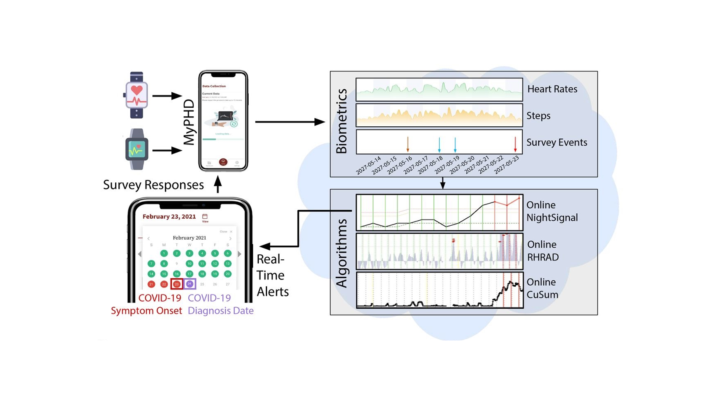
The Wang lab aims to use big data including both multi-omics data and wearable sensor readouts from a data-driven approach to better understand human health and disease. Our overall research interest is developing new statistical methods and computational tools by integrating diverse biomedical data for early detection, intervention, and prevention of diseases.
Meng Wang's Lab currently focus on developing new machine learning and deep learning methods with statistical analysis from a data-driven approach to study multi-tissue responses to exercise and under disease models, and tissue-tissue communication, to provide insights for therapeutic benefit.
