
About | Diagnostic Excellence

Our Story
Our Mission
The Center for Diagnostic Excellence at the University of Michigan is dedicated to reducing patient harm from diagnostic errors. We design, test, and implement innovative solutions, co-created by patients and healthcare providers, that empower individuals to Use Your Voice in the diagnostic process.
Why It Matters
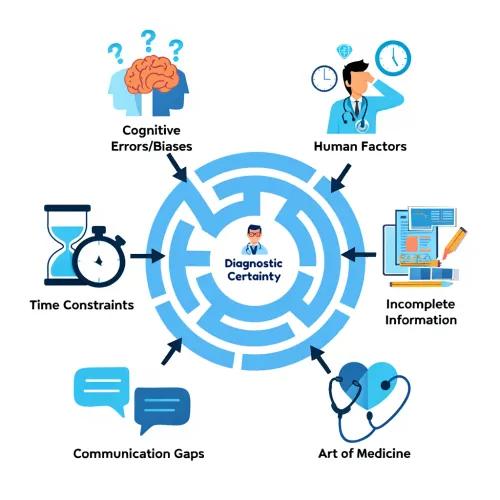
A diagnostic error occurs when a diagnosis is delayed, missed, or completely wrong.
Arriving at the correct diagnosis promptly is fundamental to every interaction that the patient has with their healthcare provider. However, delays in diagnosis or, worse, wrong diagnoses, lead to avoidable patient harm and approximately a trillion dollars in healthcare system costs.
Diagnostic errors occur across all areas of medicine — from adult to pediatric care, and in both hospital and outpatient settings. These errors are often only recognized in hindsight, making it difficult to address underlying issues or prevent them from happening again.
Our Origin
The Center for Diagnostic Excellence at the University of Michigan will aim to reduce patient harm from misdiagnosis by designing, testing and implementing interventions co-created by patients and healthcare providers who are empowered to “Use Your Voice”. The center will use innovative technologies, including artificial intelligence, to achieve its objectives.
The Center was founded by Prashant Mahajan, MD, MPH, MBA, Chair of the Department of Emergency Medicine and William G. Barsan Collegiate Professor of Emergency Medicine in the U-M Medical School, who has spent over two decades studying diagnostic errors in emergency care. In collaboration with the Tapper family, whose daughter Alice suffered life-threatening complications due to a delayed diagnosis, the Center is developing innovative and radical solutions to prevent similar harm to others.
The goal of this center is to reduce diagnostic errors and make patient care safer here in Michigan and globally across the world.
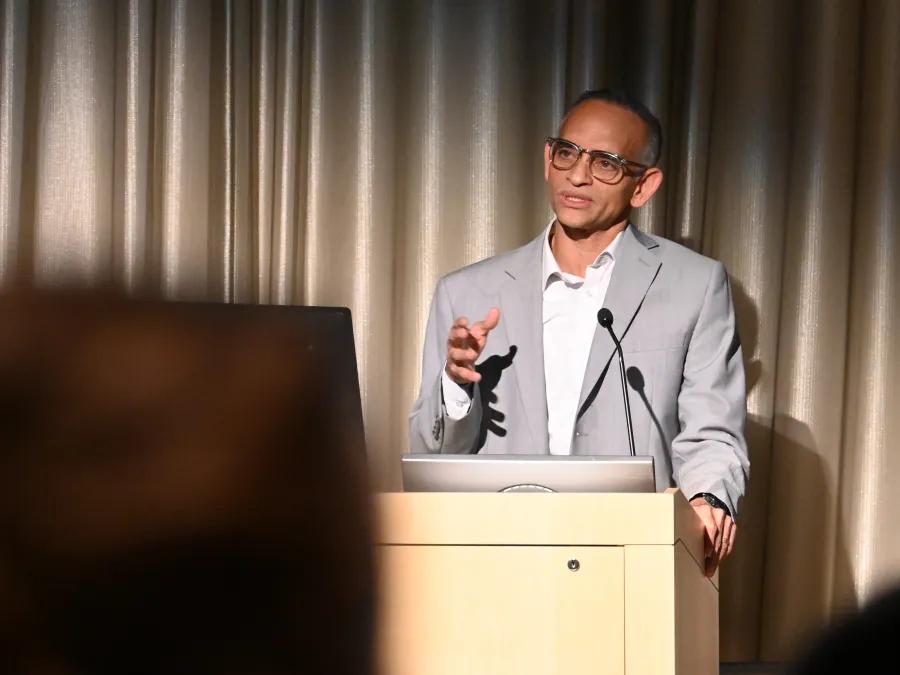
Alice’s Story: Advocacy in Action
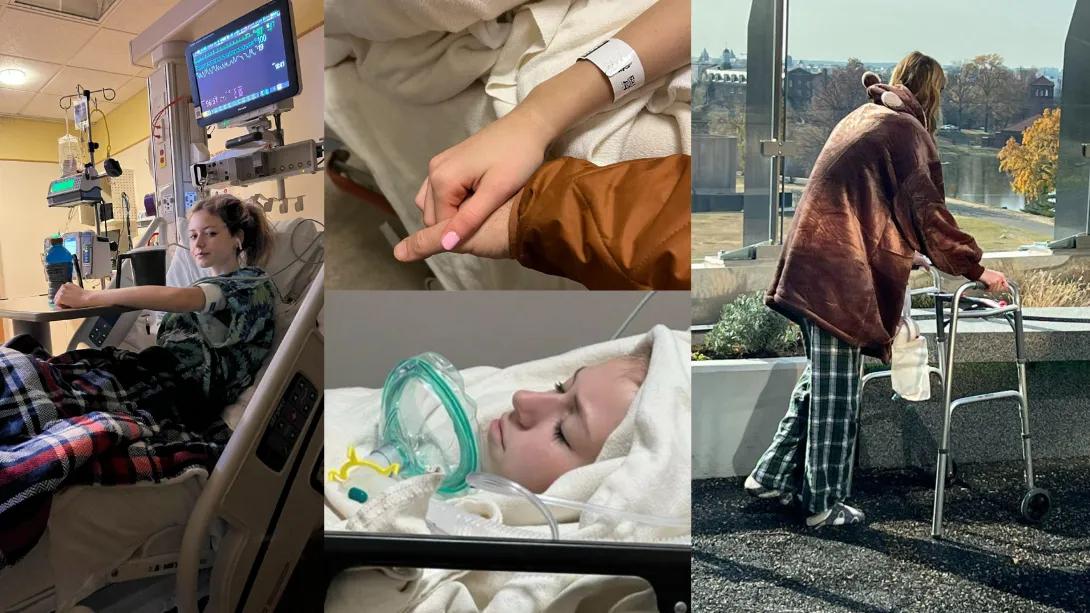
Alice Tapper experienced a common yet misdiagnosed condition — appendicitis — that led to sepsis and septic shock. Her story sparked a movement to improve diagnostic accuracy and ensure no child endures the same. This partnership helped launch our “Use Your Voice” campaign, empowering patients and families to speak up during care.
We are here as proof that Michigan Medicine cares and turns research into action.
— Jennifer Tapper
Although research is still incomplete, here are some sobering facts:

What can we do about this?
We need to fundamentally change how we deliver healthcare. We are partnering with patients, providers, and the health care system to co-design innovative diagnostic excellence interventions to:
Reduce patient harm.
Ensure accountability, transparency, equity, and collaboration.
Train the next generation of investigators.
Foster and support innovation and entrepreneurship.
Improve research and outcomes by learning from the patient experience.

Research:
We develop and test real-world interventions to improve diagnostic accuracy.

Collaboration:
We partner with healthcare providers, patients, and researchers to co-design safer systems.

Educate:
We promote awareness and training to reduce diagnostic errors in all settings.

Innovation:
We develop and test diagnostic interventions using emerging tools, including artificial intelligence.
Contact Us
Reducing diagnostic errors requires a cultural shift, and we’re leading the charge.
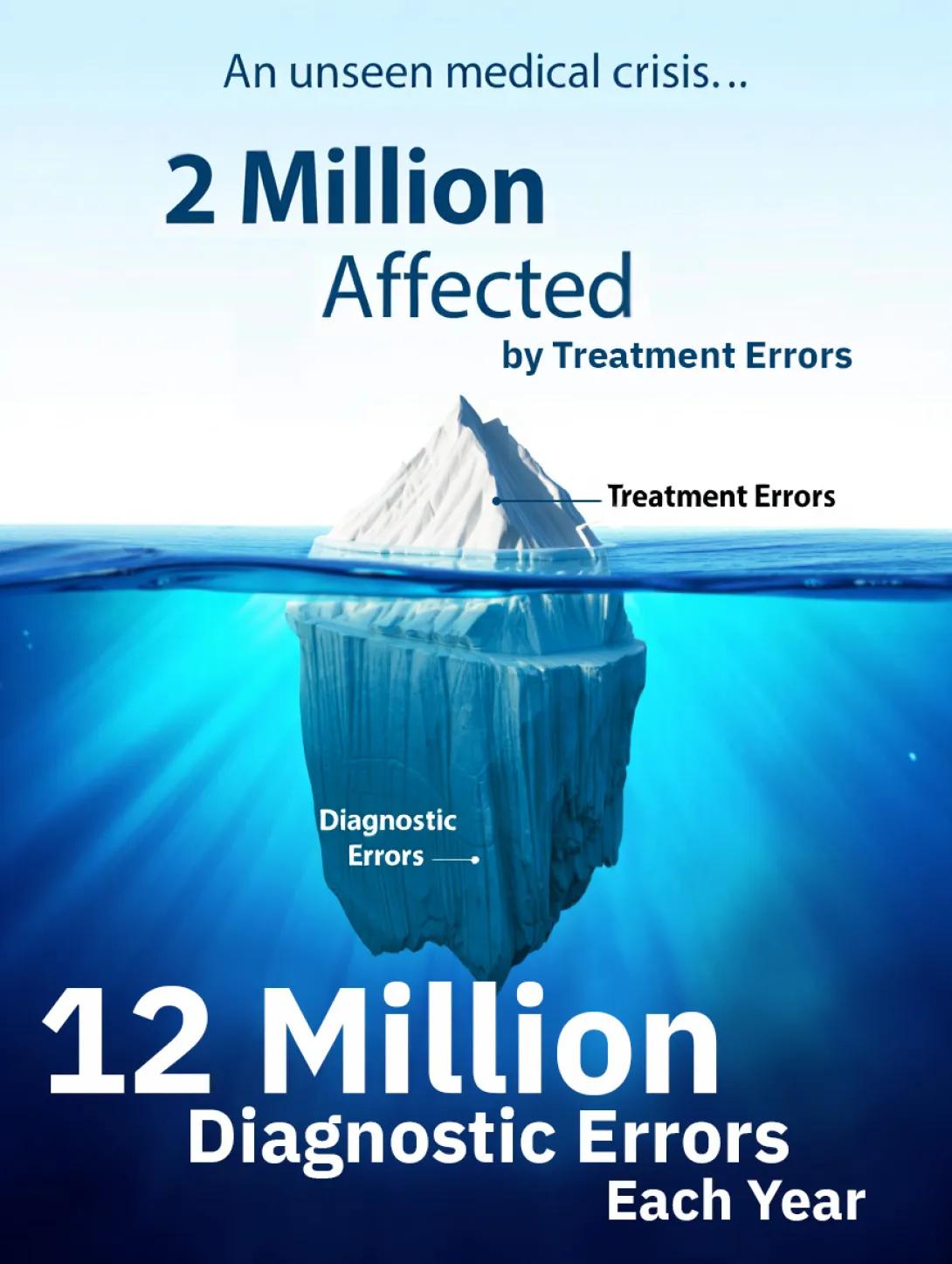
An unseen medical crisis... 2 million are affected by treatment errors, but that's just the tip of the iceberg (greater than 250,000 harmed and costs of approximately $20 billion per year). There are 12 million diagnostic errors each year. The most catastrophic diagnostic errors include more than 4 million harmed, more than 795,000 disabled or die, 25% of all medical error fatalities. The most costly diagnostic errors include more than $100 billion annually, 25% of all paid malpractice claims.
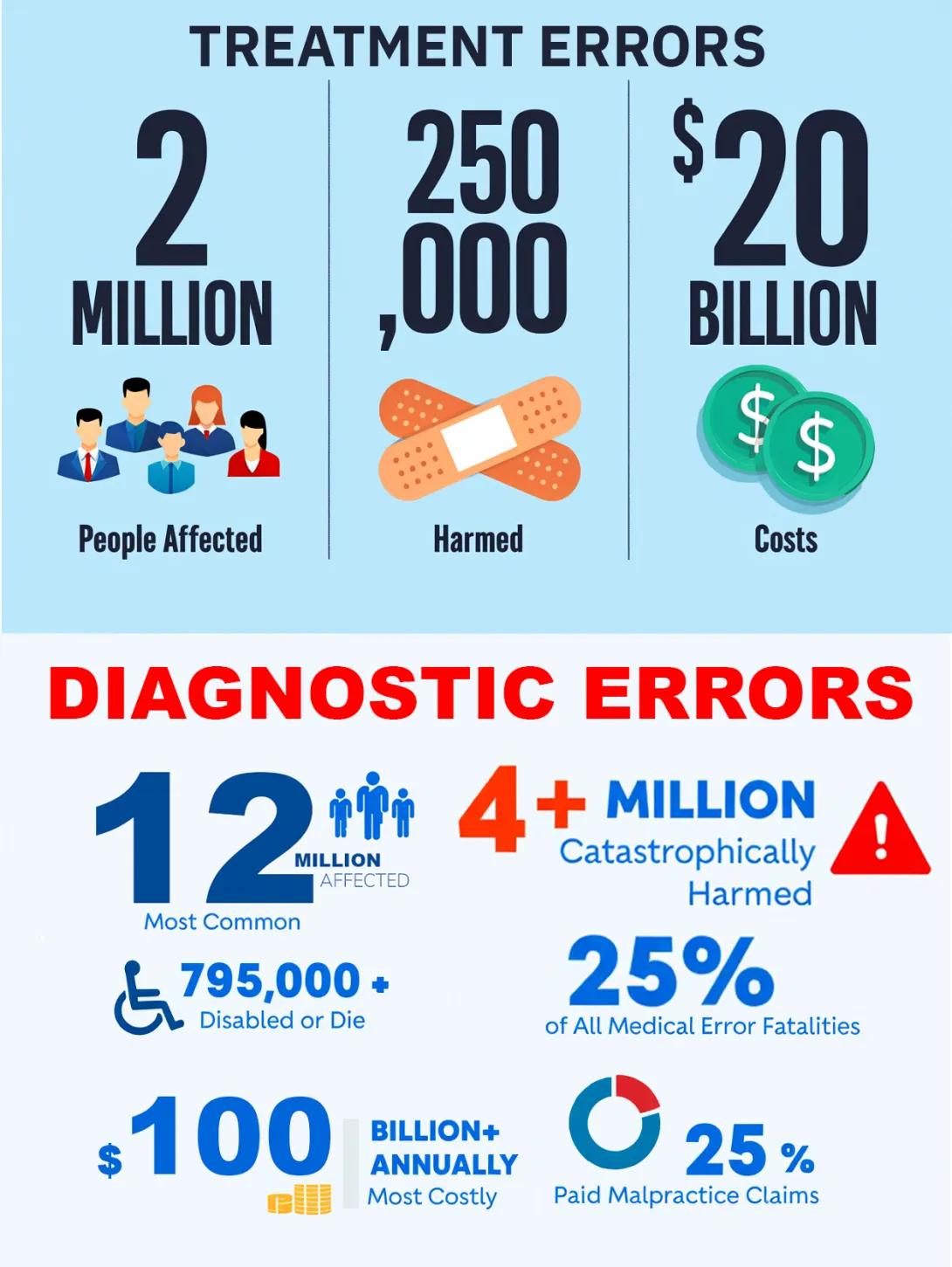
Infographic comparing treatment errors and diagnostic errors in healthcare.
Treatment Errors:
• “2 million” people affected, shown with icon of four people.
• “250,000” harmed, shown with icon of two crossed bandages.
• “$20 billion” in costs, shown with icon of two green coins.
Diagnostic Errors:
• “12 million affected” — most common, with icon of three people.
• “4+ million” catastrophically harmed, with red warning triangle icon.
• “795,000+” disabled or die, with wheelchair icon.
• “25%” of all medical error fatalities.
• “$100 billion+ annually” — most costly, with coin stack icon.
• “25%” paid malpractice claims, with pie chart icon.
Use Your Voice: Learning from patience in the form of storytelling about their experiences in successful and unsuccessful diagnostic experiences provide an untapped potential to impact patient care.
Providers: These stories will influence current and future research to design innovative solutions and interventions.
Healthcare System: Together we will address barriers and missed opportunities due to system and/or cognitive factors (bias, communication, etc.)
Project Scope: Resulting in improved outcomes through integrated, equitable, and accessible solutions to our diverse patient population.
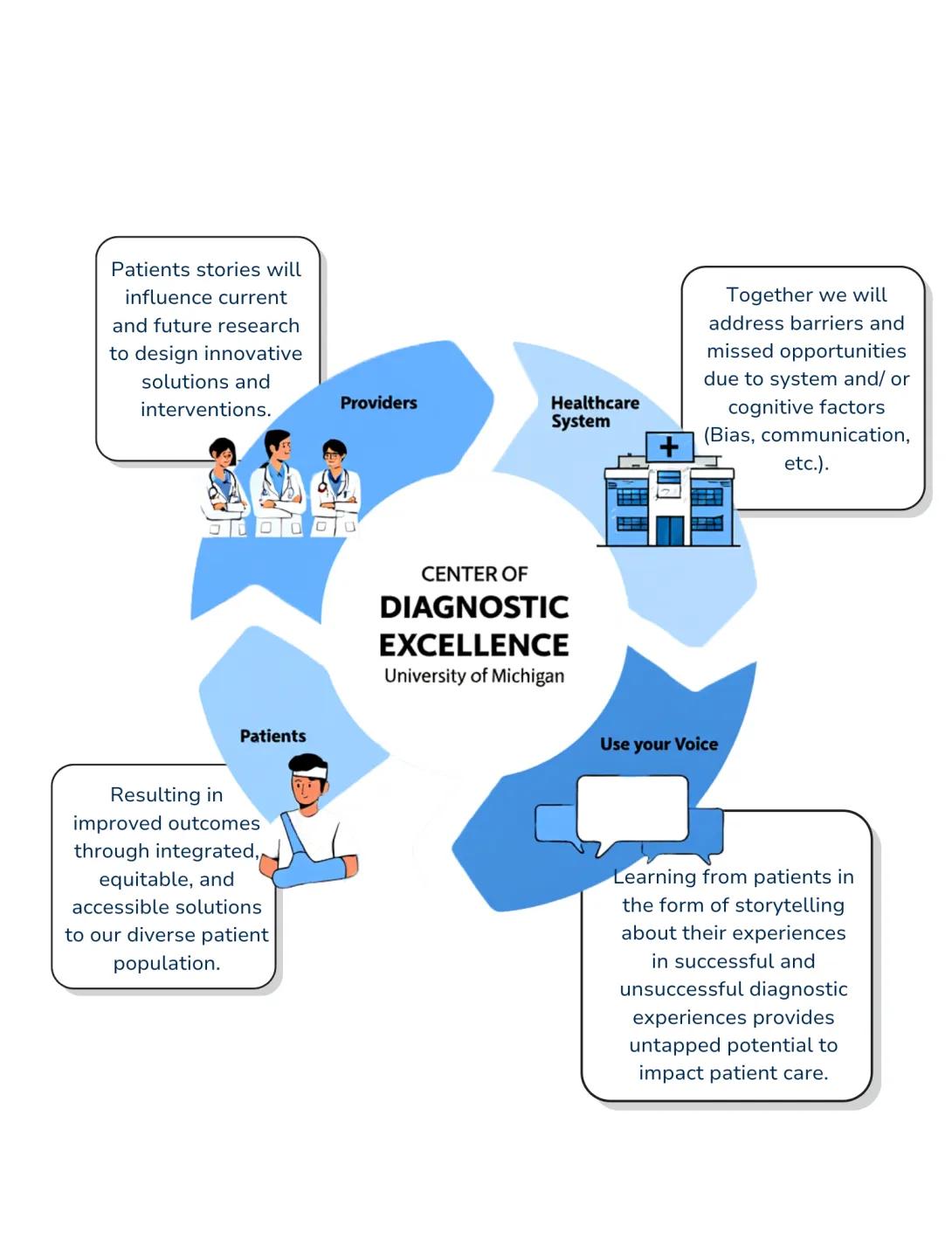
Infographic from the University of Michigan’s Center for Diagnostic Excellence illustrating a patient-centered approach to improving diagnostic outcomes. The circular model highlights collaboration among providers, the healthcare system, and patients, emphasizing the importance of patient stories and experiences in shaping research, addressing systemic barriers, and designing equitable, innovative healthcare solutions.
