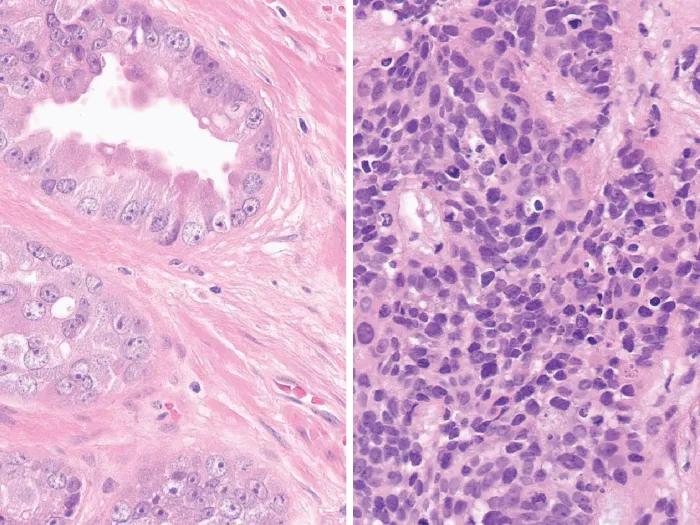
Discovery Science
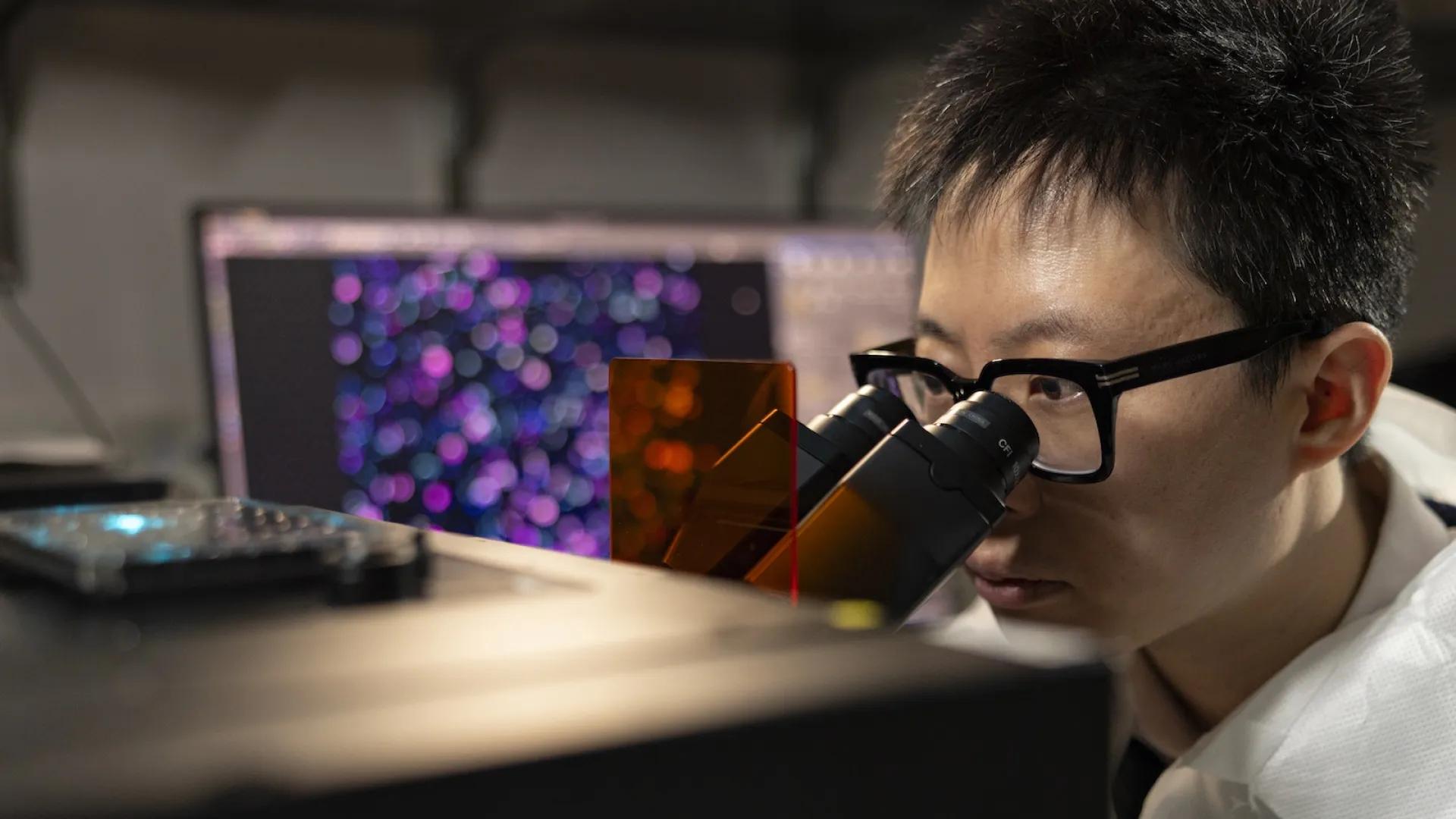
There are nine fundamental research departments within Michigan Medicine. Each is dedicated to understanding the biology of the human body and biological processes to provide the foundational knowledge needed to advance treatments and cures or the implementation of such knowledge to improve medical care.
Participating Units
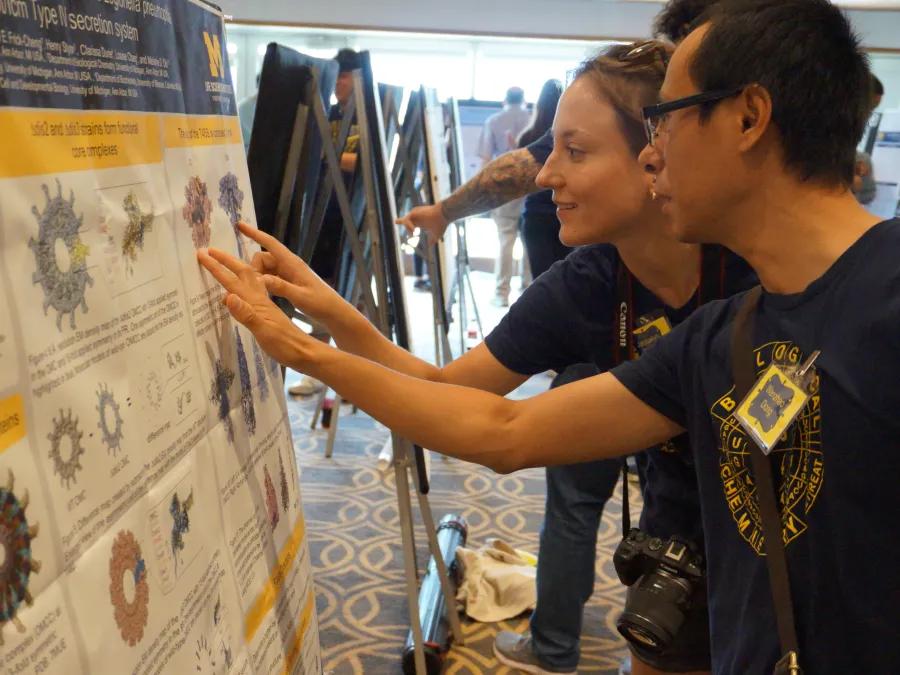
Upcoming Events
Attend an event with our departments to connect with fellow researchers and celebrate new discoveries across the U-M Medical School.
Explore the Impact of Discovery Science
Discovery Science drives innovation, its breakthroughs forming the foundation of tomorrow's therapeutics.
In this video, co-chairs Beth Moore, PhD and Phyllis Hanson, PhD of the Endowment for Basic Sciences at the U-M Medical School join with some of our researchers in promoting their essential work.
Learn more about Discovery Science at U-M Medical School.
Featured News & Stories
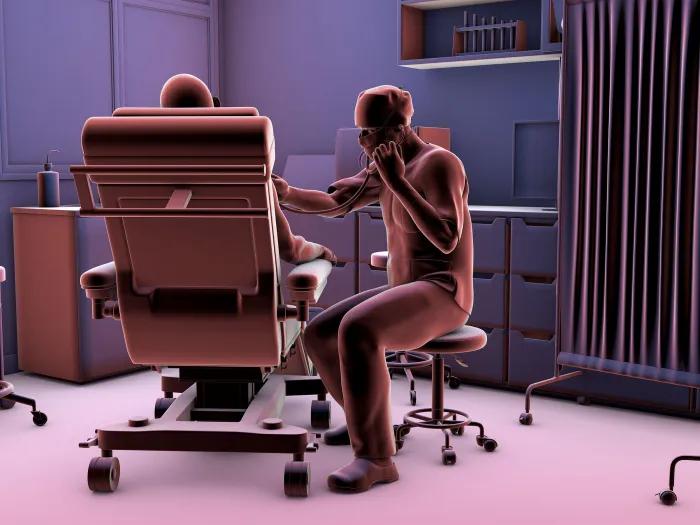
The AI is listening: Implications of machine generated clinical notes on health care
Bigger data reveals the second, third and fourth switches controlling a gene
Study outlines a new framework for direct cell reprogramming
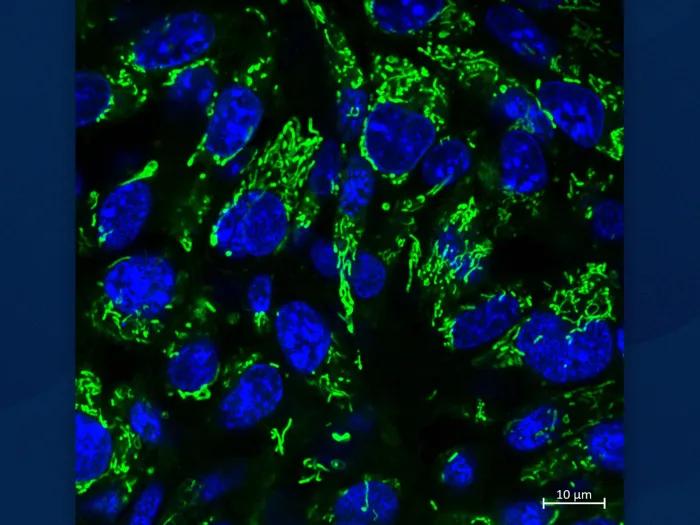
Engineered nanoparticles sensitize gliomas to radiotherapy
Uncovering cellular stress signal triggered by Salmonella