Michigan Otolaryngology & Translational Oncology Lab
The MiOTO Lab is a dynamic, multidisciplinary research group dedicated to advancing precision oncology through innovative molecular diagnostics and translational science.
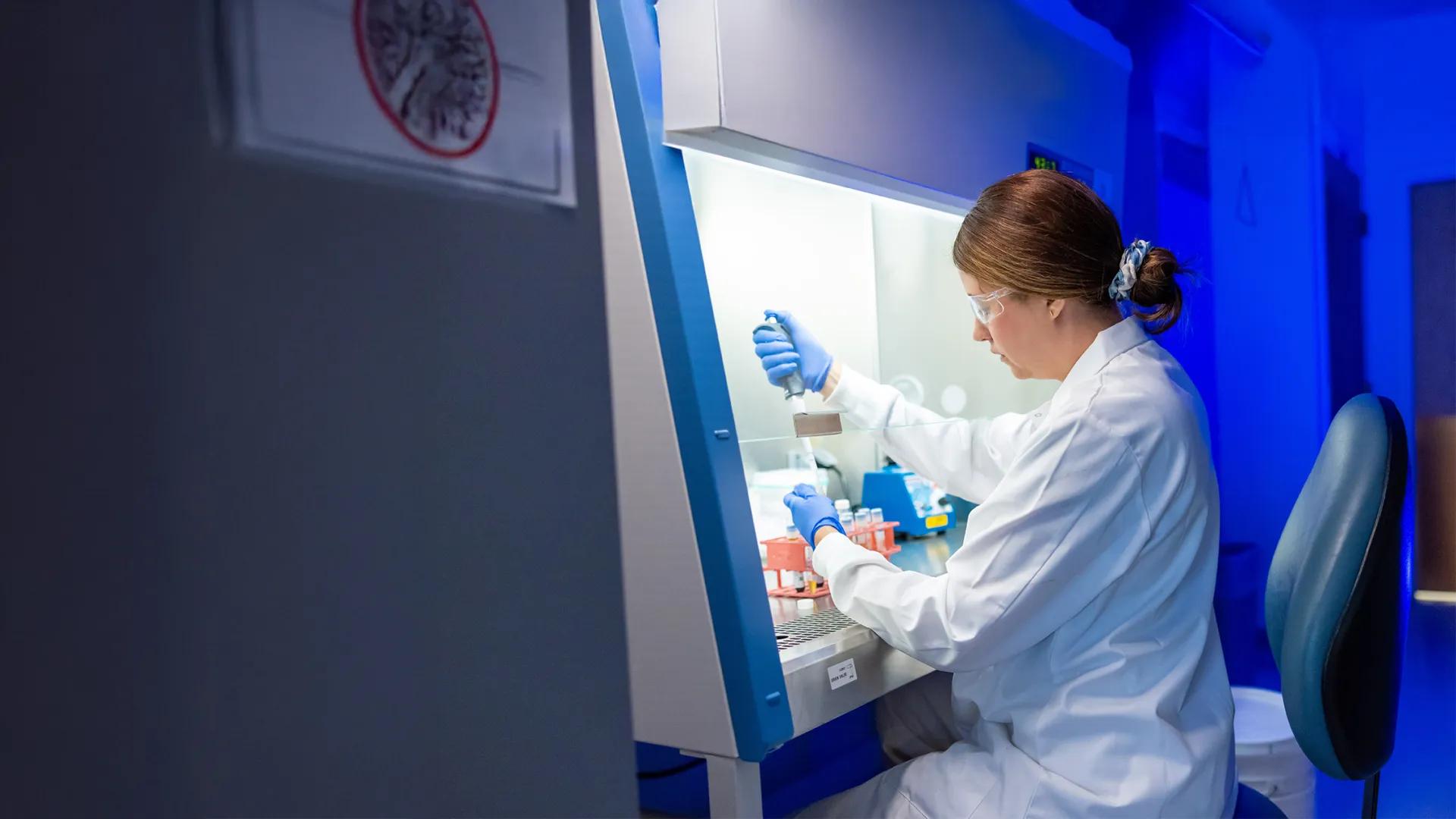
Explore the MiOTO Lab
IN THE MiOTO LAB
The Michigan Otolaryngology and Translational Oncology (MiOTO) Lab, led by Dr. Chad Brenner, integrates clinical, molecular, and computational approaches to improve cancer detection, monitoring, and treatment. Our primary focus is on head and neck cancers, with active programs in liquid biopsy development, viral genomics, mechanisms of therapeutic resistance, as well as research ethics and policy development. We have developed and clinically validated a CLIA-certified plasma-based HPV ctDNA assay, MyHPVscore, which is now in use for patient surveillance. Our team is also pioneering efforts to understand HPV integration biology and its impact on tumor progression through advanced sequencing and bioinformatics pipelines such as SearcHPV.
In addition to biomarker discovery and assay development, the lab is committed to translational research that bridges bench and bedside. We collaborate extensively across disciplines—engineering, pharmacology, bioinformatics, and clinical oncology—to accelerate innovation. Ongoing projects include drug response profiling, high-throughput screening, and the development of predictive models for treatment failure. We maintain a strong commitment to mentorship, interdisciplinary training, and addressing health disparities through accessible, remote diagnostic platforms. Our ultimate goal is to translate molecular insights into practical tools that enhance precision medicine and improve outcomes for patients with head and neck cancer.
Contact Us
Basic Research
Chad Brenner
Michigan Medicine
1150 West Medical Center Drive
9301B MSRB3
Ann Arbor, MI 48019
email: [email protected]
Otolaryngology Clinical Laboratory
Heather Walline
Michigan Medicine
1500 East Medical Center Drive
6420 Cancer Center
Ann Arbor, MI 48019
email: [email protected]

Chad Brenner
Associate Professor of Otolaryngology-Head and Neck Surgery
Associate Professor of Pharmacology
Cellular and Molecular Biology Academic Program Director
Medical School
Dr. Chad Brenner leads several programs at the University of Michigan, including the Cell & Molecular Biology program, the Head and Neck Oncology Program, a CLIA-certified clinical laboratory, and the MiOTO research laboratories. He works alongside dedicated teams who share his passion for advancing research, improving patient care, and training future scientists. In each of these roles, Dr. Brenner emphasizes fostering collaboration, supporting innovation, and translating scientific discoveries into real-world impact.
His research centers on improving survival outcomes for patients with head and neck cancer. By leveraging technologies such as next-generation sequencing, high-throughput screening, and computational tools, his team works to better understand cancer development and treatment resistance. These discoveries guide the development of new therapies and personalized approaches to care. Among his notable achievements is the creation of MyHPVscore, a blood test that detects HPV-related head and neck cancer and is now widely used in clinical practice. Additionally, he and his team have pioneered self-collected urine-based tests currently being evaluated for various clinical applications.
Beyond his work at the University of Michigan, Dr. Brenner contributes to national and international efforts shaping the future of cancer research. He serves on advisory committees for the National Cancer Institute and other leading cancer research organizations, and has led or collaborated on numerous federally funded research projects. He also directs a large, high-quality tumor tissue bank that supports cancer research across the country.
Mentorship and education are central to Dr. Brenner’s work. He has trained numerous PhD students, medical students, residents, and junior faculty—many of whom have secured competitive fellowships, published influential research, and established successful independent scientific careers.
By combining leadership, research, and mentorship, Dr. Brenner strives to drive meaningful progress not only in the field of head and neck cancer but also across the broader continuum of biomedical sciences.
Current Research Projects
Head and neck squamous cell carcinoma (HNSCC) encompasses a genetically diverse group of tumors, with human papillomavirus (HPV)-associated oropharyngeal squamous cell carcinoma (OPSCC) representing a biologically and clinically distinct subtype. Unlike traditional HNSCC, which is often linked to tobacco and alcohol use, HPV+ OPSCC arises in younger, non-smoking individuals and is driven by viral oncogene expression and integration into the host genome. While these tumors are often initially responsive to therapy, recurrence can occur unpredictably and may be driven by underlying molecular heterogeneity or treatment-resistant subclones. This line of research focuses on developing individualized treatment strategies based on the underlying genetic composition of tumors and includes advancing therapies from the research lab into clinical trials.
To address disparities in cancer outcomes, especially in rural or difficult to access regions, there is an urgent need to develop non-invasive, remote-capable screening methods. Urine-based liquid biopsy offers a promising solution, particularly for HPV-associated cancers, where virally derived nucleic acids are shed into bodily fluids. Unlike blood collection, urine sampling is entirely non-invasive, self-collectable, and scalable for at-home use. However, the development of analytically rigorous protocols and ctDNA assays for urine has lagged behind those for plasma, in part due to variability in analyte composition and challenges in standardization. Our team developed new technology that unlocked the potential to develop sensitive and specific urine-based assays that could revolutionize cancer screening and monitoring by enabling equitable, decentralized care.
As these technologies advance, parallel development of ethical and evidence-based biomedical policy is essential to ensure their responsible implementation. Remote diagnostic tools, and research commercialization practices, particularly those involving genomic information, raise complex questions regarding privacy, informed consent, data sharing, and clinical follow-up. Our research program not only focuses on assay development but also partners with institutional and national stakeholders to inform policies that promote access while protecting patients. This includes engagement with IRBs, CLIA and CAP standards, and health system leaders to develop frameworks that guide the clinical integration of at-home testing, research commercialization, and artificial intelligence policy in ways that uphold scientific integrity and public trust.
News
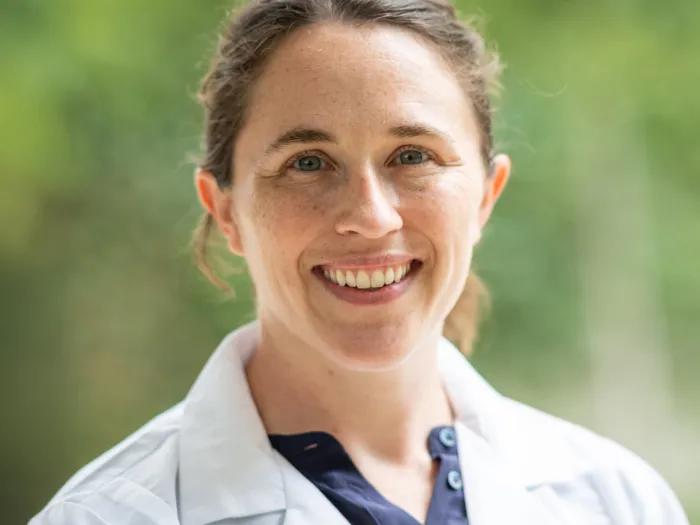
Cellular and Molecular Biology program welcomes new associate director
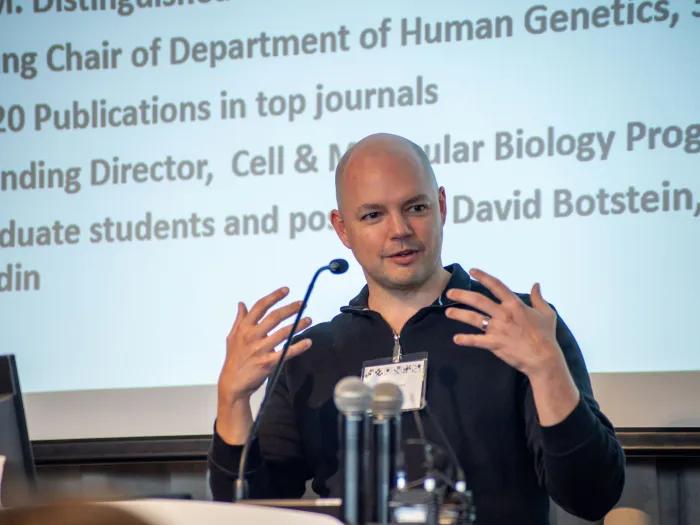
2026 Cellular and molecular biology spring symposium

Glucose drives STAT3 activation in colorectal cancer cells, leading to tumor growth
Events
Evaluating Therapeutic Responses and Modeling Pathology in Niemann–Pick type C Disease
CMB Short Course Series: Seminar by Dr. Mingxia Gu

CMB Short Course Series: Seminar by Dr. David Tuveson

CMB Short Course Series: Seminar by Dr. Paul Macklin