
Research | RIDRG

Learn about our research projects
Current Research
CHIPPER
A NIMH RO1 project to increase PrEP initiation and awareness in cisgender women in Baltimore, MD.
- An effectiveness-implementation trial protocol to evaluate PrEP initiation among U.S. cisgender women using eHealth tools vs. standard care
- "PrEPping" women's healthcare providers: motivational interviewing to support ending the HIV epidemic
Unraveling the Mystery STI: The Emergence of Mycoplasma genitalium Infection among Adolescents and Young Adults in the United States
The RIDRG team partnered with RAND to implement a survey assessing the awareness and attitudes of the emerging sexually transmitted infection, Mycoplasma genitalium (Mgen), in adolescents and young adults.
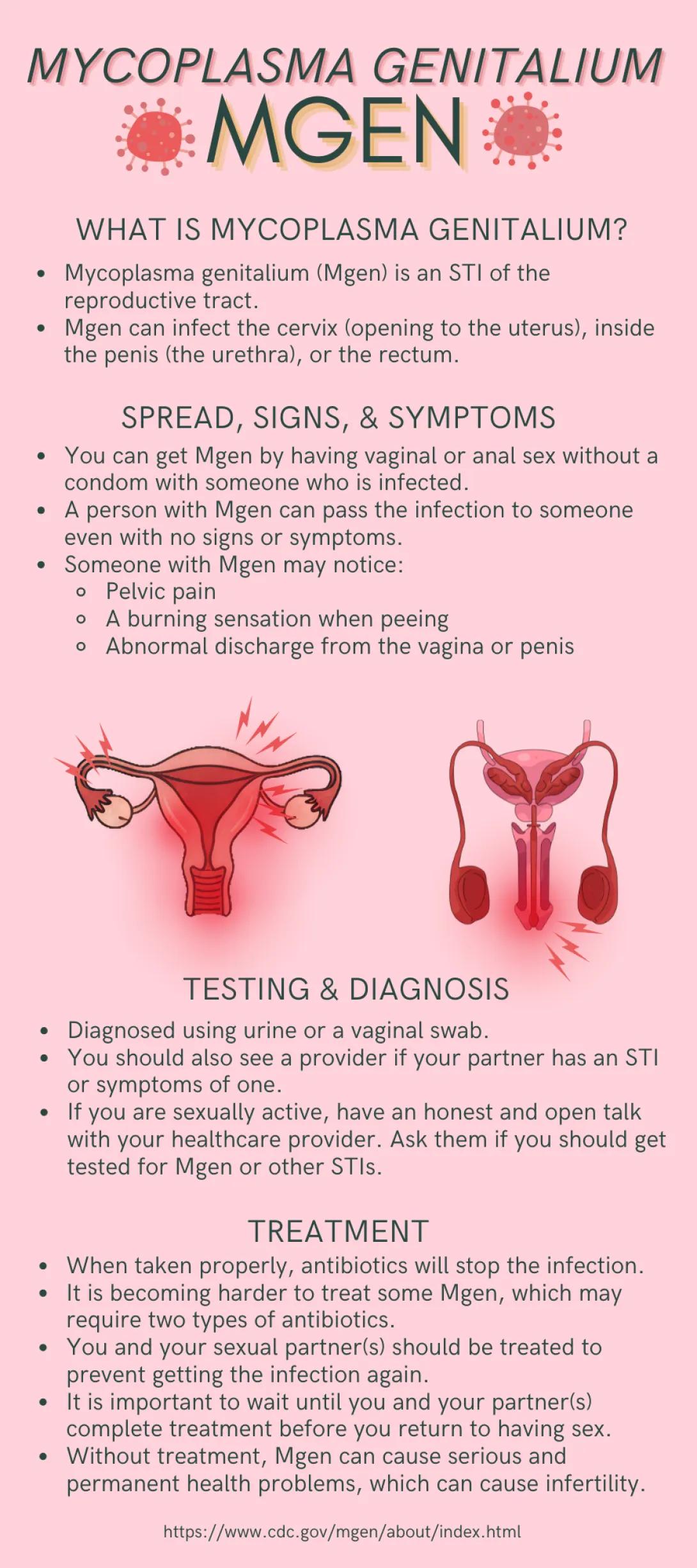
MYCOPLASMA GENITALIUM - MGEN
WHAT IS MYCOPLASMA GENITALIUM?
• Mycoplasma genitalium (Mgen) is an STI of the reproductive tract.
• Mgen can infect the cervix (opening to the uterus), inside the penis (the urethra) or the rectum.
SPREAD, SIGNS, & SYMPTOMS
• You can get Mgen by having vaginal or anal sex without a condom with someone who is infected.
• A person with Mgen can pass the infection to someone even with no signs or symptoms.
Someone with Mgen may notice:
• Pelvic pain
• A burning sensation when peeing
• Abnormal discharge from the vagina or penis
TESTING & DIAGNOSIS
• Diagnosed using urine or a vaginal swab.
• You should also see a provider if your partner has an STI or symptoms of one.
• If you are sexually active, have an honest and open talk with your healthcare provider. Ask them if you should get tested for Mgen or other STIs.
TREATMENT
• When taken properly, antibiotics will stop the infection.
• It is becoming harder to treat some Mgen, which may require two types of antibiotics.
• You and your sexual partner(s) should be treated to prevent getting the infection again.
• It is important to wait until you and your partners) complete treatment before you return to having sex.
• Without treatment, Mgen can cause serious and permanent health problems, which can cause infertility.
Advancing Molecular Diagnosis of Vaginitis Among Cisgender Female Adolescents and Young Adults
This study found that implementing molecular testing for vaginitis at Michigan Medicine improved detection of common vaginal infections and may support more accurate, efficient diagnosis and timely treatment.
Previous Research
MyVoice
Using a national text message-based survey, we polled adolescents and young adults about their perceptions and preferences on using self-collected STI testing kits and virtual care.
- MyVoice Study
- Self-Collected Testing for Sexually Transmitted Infections: A National Text Message Survey of Adolescents and Young Adults
National Perspective of Youth: Home-Based STI Testing (SoMe)
Recruitment
We recruited a national sample of adolescents and young adults from regions with high chlamydia rates to assess their willingness to use self-collected STI testing and virtual care for treatment. We also examined perceptions, comfort with home-based STI screening, and the potential for virtual partner notification and expedited partner treatment to improve access to sexual healthcare.
- Data Verification and Respondent Validity for a Web-Based Sexual Health Survey: Tutorial
- No Clinic, No Problem: Acceptability of STI Self Collection Kits in a National Sample of Adolescents and Young Adults
Understanding Your Role in the Disclosure of HIV Exposure: HIPAA and Patient Privacy
This project explores HIV transmission prevention in EHE (Ending the HIV Epidemic) jurisdictions, focusing on the complexities of HIV disclosure and privacy laws. It emphasizes the need for clear, state-specific information on disclosure laws to help healthcare providers prevent transmission while adhering to HIPAA regulations, particularly when dealing with pregnant patients and their partners.
