
Research | Heft Neal Lab
Lab Overview
Learn more about our translational head and neck cancer lab
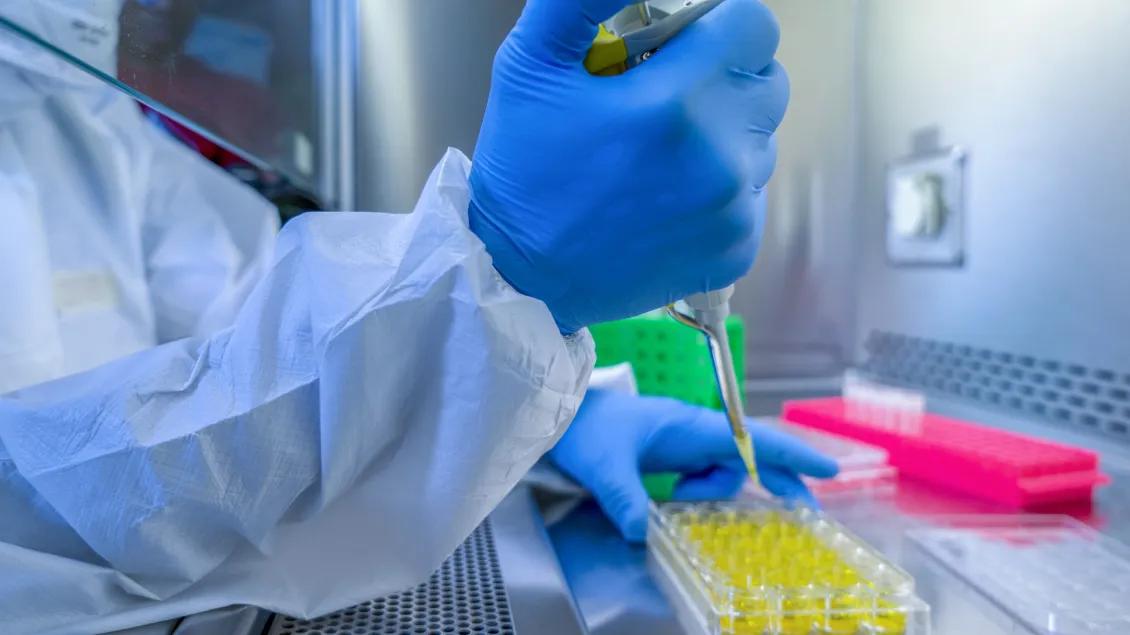
Our research program is dedicated to improving outcomes for patients with head and neck cancer, with a focus on HPV‑mediated oropharyngeal cancer and advanced laryngeal, hypopharyngeal, and oral cavity cancer. These diseases present a unique clinical challenge: successful therapy requires eliminating cancer while preserving critical functions such as speech, swallowing, and airway protection. Despite advances in surgery, radiation, and systemic therapy, up to half of patients with advanced disease experience treatment failure, and many survivors face long‑term functional complications. Our laboratory bridges translational tumor immunology, biomarker discovery, and clinical outcomes research to address these challenges.
One major area of focus is tumor immune biology and radiation resistance. We study how the tumor immune microenvironment (TIME) influences response to radiation and chemoradiation, with the goal of identifying molecular and immune signatures that predict treatment failure. Our work leverages tumor‑infiltrating lymphocyte (TIL) profiling, immune checkpoint characterization (PD‑L1, CD103), and single‑cell and spatial transcriptomic approaches to map immune cell interactions within the tumor. These insights inform the development of personalized treatment strategies, such as treatment de‑escalation for favorable HPV‑positive disease and therapy intensification for high‑risk tumors.
In parallel, our laboratory investigates circulating tumor DNA (ctDNA) and other liquid biomarkers as tools for real‑time disease monitoring and minimal residual disease detection. These technologies have the potential to revolutionize head and neck cancer management by identifying recurrence earlier, guiding adjuvant therapy, and enabling dynamic treatment adaptation.
Our research also prioritizes functional outcomes and patient‑centered care including thoughtful approaches to cancer survivorship and ongoing care. We analyze long‑term data on swallowing function and feeding tube requirements to understand the tradeoffs between oncologic control and quality of life. By integrating molecular biomarkers, treatment strategies, and functional endpoints, our goal is to deliver truly personalized head and neck cancer care—improving survival while minimizing treatment toxicity and preserving critical functions.
- Mechanisms of tumor immune escape and radiation resistance in head and neck cancer
- Spatial and single‑cell transcriptomic mapping of the tumor immune microenvironment
- Circulating tumor DNA and liquid biopsy biomarkers for disease monitoring and minimal residual disease detection
- Predictive immune and molecular biomarkers (e.g., CD8+ and CD103+ TILs, PD‑L1 CPS) for risk stratification
- Treatment de‑escalation and therapy optimization in HPV‑mediated oropharyngeal cancer
- Functional and quality‑of‑life outcomes following organ‑preserving or reconstructive therapy
- Integration of translational research with clinical decision‑making to deliver personalized, patient‑centered care
