
Research | TRACC-R

Advancing meaningful, applied research
We use patient and stakeholder-engaged research methodology to help ensure the relevance and translation of research conducted in the Center.
Our research focuses on symptom management, behavioral interventions and rehabilitation treatment that enhances management of chronic conditions.
Symptom Management/Behavioral Interventions Projects
🔹 Participant recruitment: We’re looking for people with scleroderma who are experiencing memory or focus problems to join our study. Over an 8 week period (3 months) the study provides access to play online brain games and to join weekly virtual lectures with a peer mentor and facilitator. You will complete online surveys and cognitive tests before, during, and after the program to track progress. Participants receive compensation for each completed survey.
🔹 Sign up here: https://redcap.link/umbrainboost
Our team will contact you to see if you’re eligible.
🔹 Study status: Open
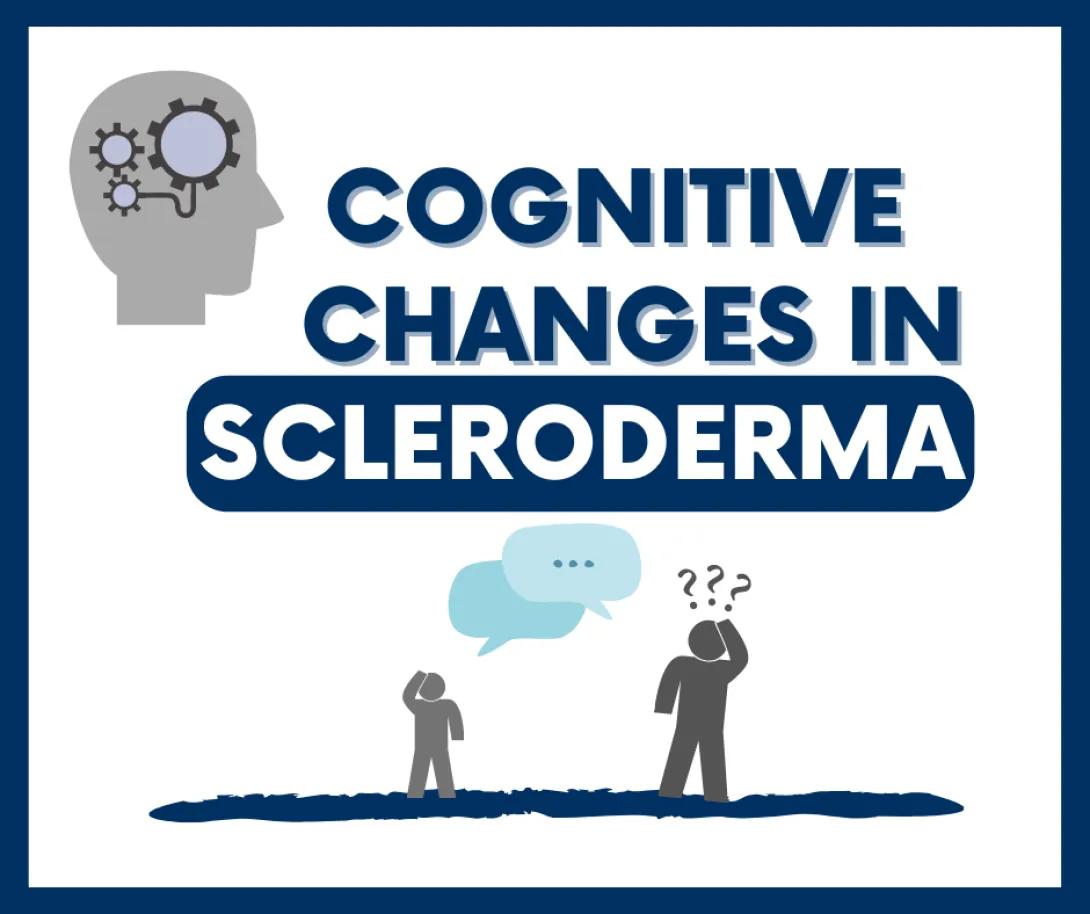
Very little is known about perceived cognitive changes and how these changes impact everyday life in people with scleroderma. In our initial studies, we conducted focus groups to explore how people with scleroderma experience cognitive difficulties. We then conducted an online survey to investigate the associations of perceived cognitive function with symptoms and daily functioning in a larger sample size. This project was funded by a Dan Barry Research Grant at the University of Michigan (PI Chen; Mentor Murphy) and is currently being funded by the National Scleroderma Foundation.
Publications:
Cognitive difficulties in people with systemic sclerosis: a qualitative study
🔹 Participant recruitment: We’re looking for people with scleroderma, and their caregivers, who are willing to download and use the app and then participate in an interview about their experience. Participants receive compensation for their interview.
🔹 Sign up here: https://redcap.link/RENEWapp
Our team will contact you to see if you’re eligible.
🔹 Study status: Open
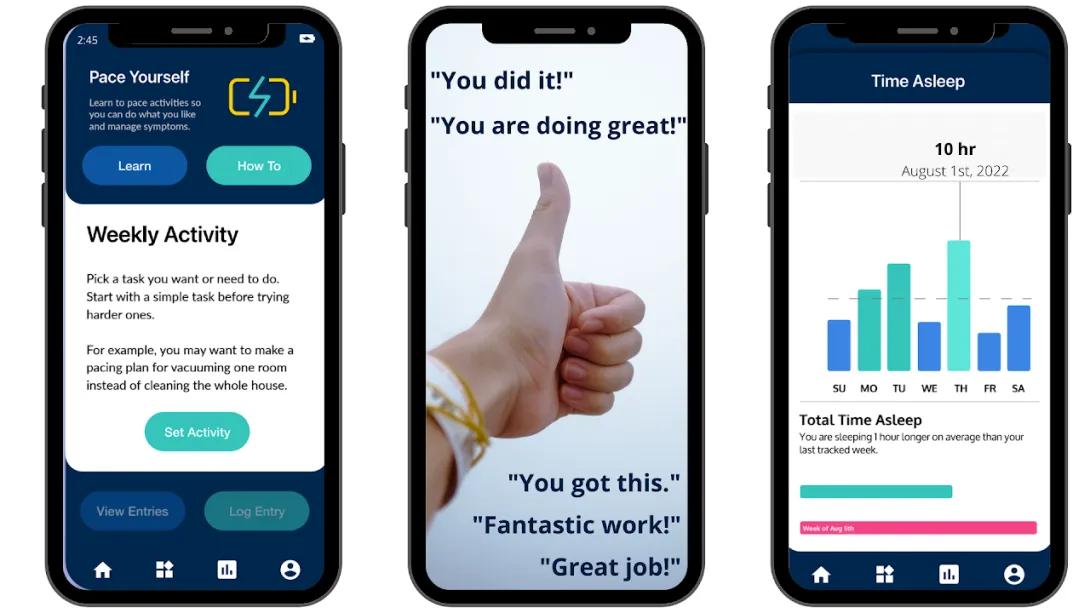
Our team developed an app for the RENEW program (Resilience-based Energy Management to Enhance Well-being). The app has all of the content in our web-based materials but allows people to track their health behaviors and receive feedback about their performance on the app. It is funded by the Livewell RERC and the Shepherd Center of the National Institute on Disability, Independent Living, and Rehabilitation Research (NIDILRR).
🔹 Participant recruitment: We’re conducting a study to help people with spondylitis manage fatigue and improve daily energy. The study has two phases:
Phase 1 – Website Feedback (Enrolling)
Review our energy management website. You will then participate in a short virtual interview to share your thoughts on the content, layout, and usefulness. Your feedback will directly shape the next version of the website and compensation will be provided for your feedback.
Phase 2 – 12-Week Program with Peer Coaching (Not yet enrolling)
Try the updated program, combining the website tools with one-on-one virtual sessions with a health coach who also lives with spondylitis. The program is 12 weeks (3 months). Sessions focus on practical strategies to manage fatigue. You will complete online surveys before, during, and after the program to track progress. Participants receive compensation for each completed survey.
🔹 Sign up here: https://redcap.link/axSpA-RENEW
Our team will contact you to see if you’re eligible.
🔹 Study status: Open
Our team designed a website for people with spondylitis to learn strategies, set goals, and track progress at their own pace. The website has been adapted for people with spondylitis based on the fatigue management program, RENEW program (Resilience-based Energy Management to Enhance Well-being), for another rheumatic disease called scleroderma. It is funded by the Spondylitis Association of America (SAA).
⚪ Participant recruitment: Closed
⚪ Study status: Completed
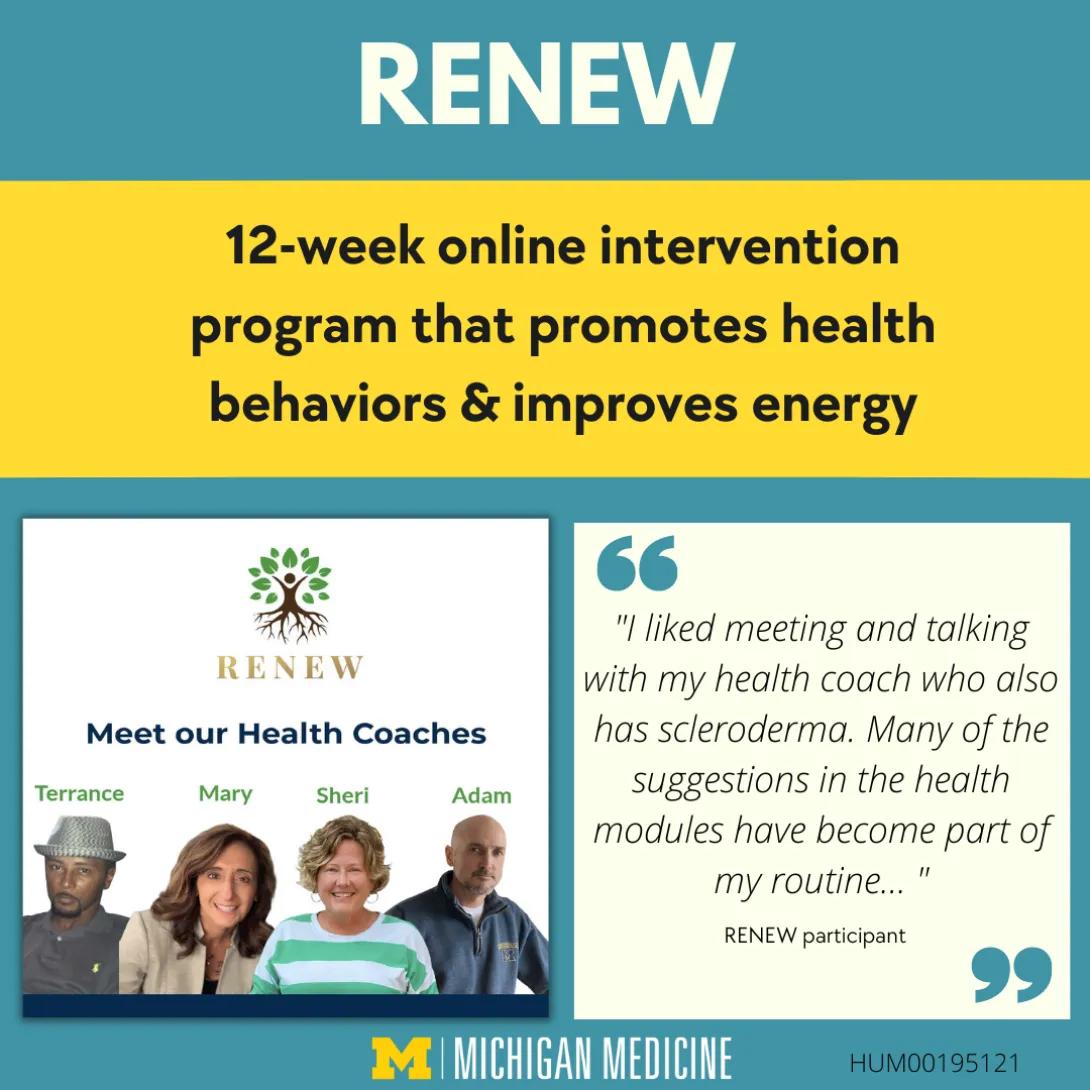
This clinical trial determined the effects of an energy management program involving trained peer health coaching on symptoms for people with scleroderma. It was funded by the Rheumatology Research Foundation.
Publications:
Findings Video
Learn how participants used practical strategies to manage fatigue and enhance daily energy through the RENEW program. This 3-minute overview highlights peer coaching, online modules, and real-life success stories.
⚪ Participant recruitment: Closed
⚪ Study status: Completed
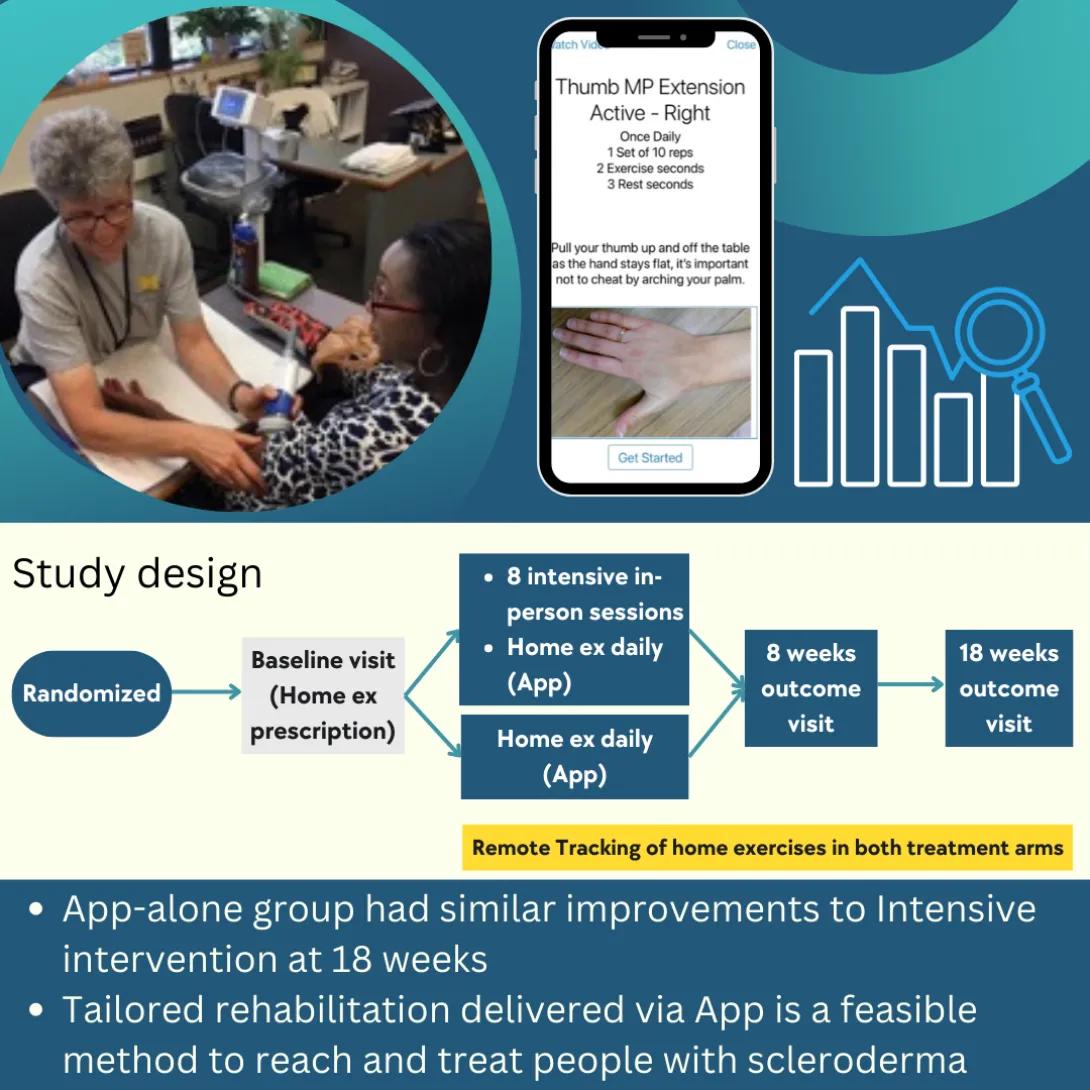
This small clinical trial examined the effects of an intensive rehabilitation program (in-person treatment sessions with an occupational therapist plus an individualized home exercise program on an app) versus the app alone. It was funded by the National Scleroderma Foundation.
⚪ Participant recruitment: Closed
⚪ Study status: Completed
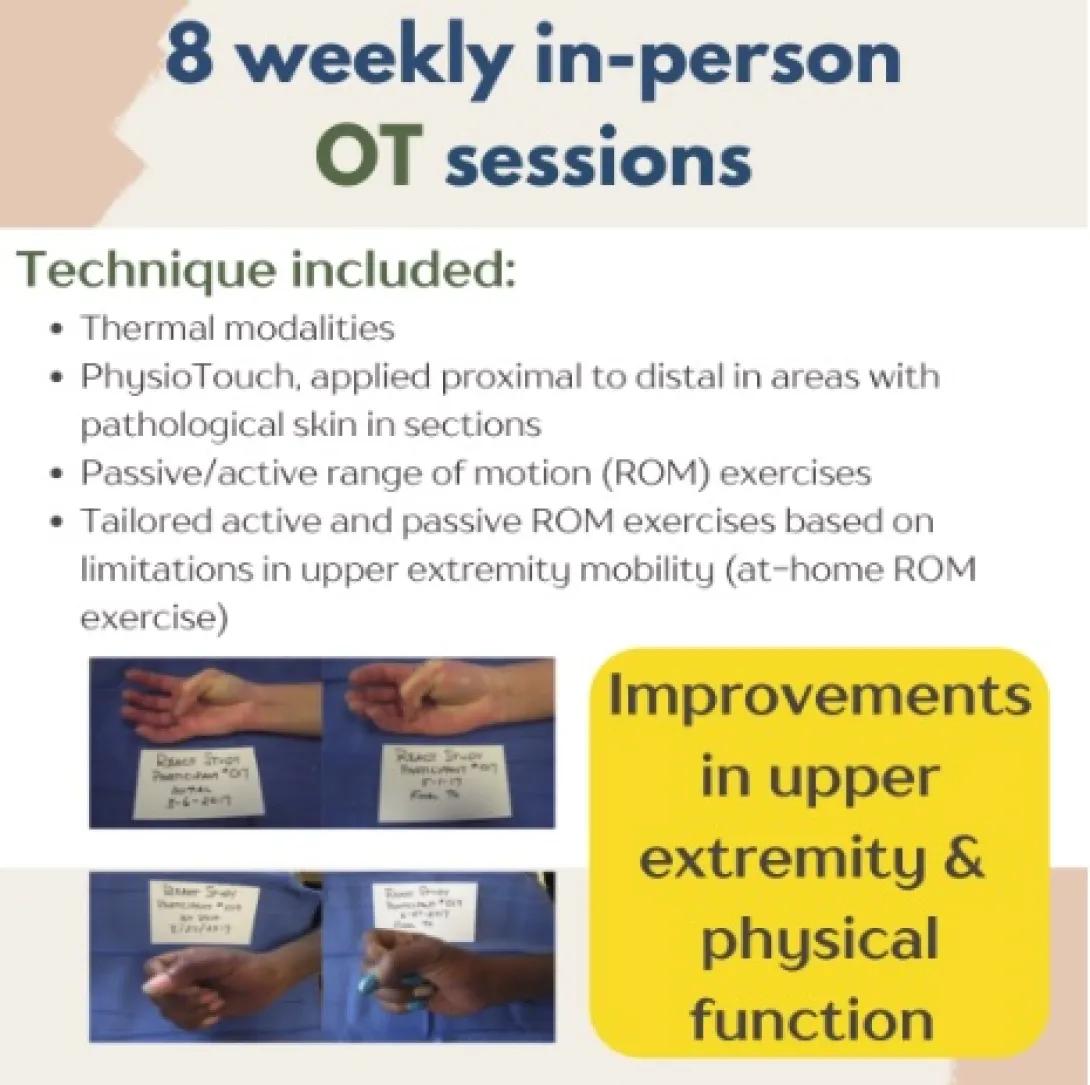
This one-arm clinical trial was designed to test the feasibility and preliminary effects of an in-person occupational therapy intervention for people with scleroderma. It was funded by an NIH Center grant at the University of Alabama.
⚪ Participant recruitment: Closed
⚪ Study status: Completed
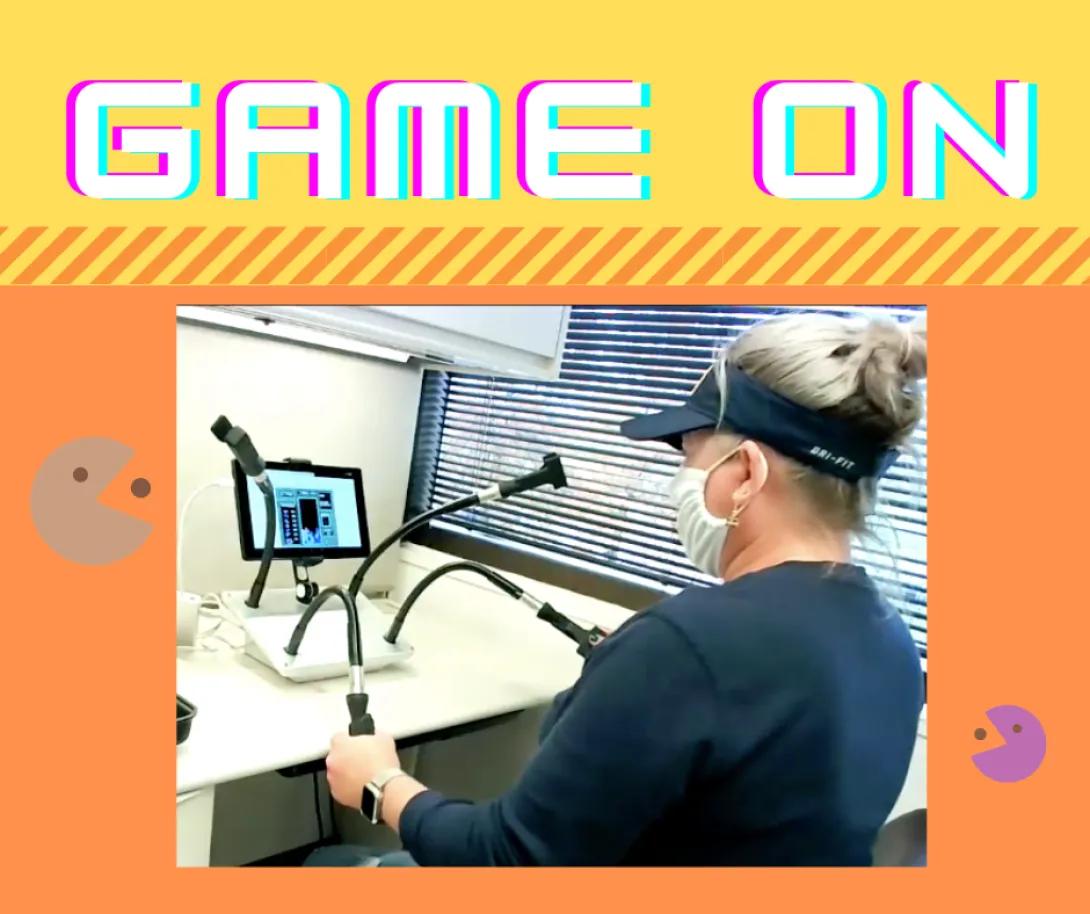
Limited upper extremity (UE) function has impacted daily activities in people with scleroderma. Our team developed a gaming device for scleroderma patients to exercise their hands and arms to improve their UE function. We examined the feasibility and usability of exergaming with the intent of enhancing engagement in home exercise.
Publication: Experiences of Exergaming for Upper Extremity Exercises in People With Systemic Sclerosis
Other Community Engaged Projects
⚪ Participant recruitment: Closed
⚪ Study status: Completed
This multi-center initiative developed a competency-based training program designed specifically for Community Health Workers (CHWs) and Promotoras to strengthen their knowledge and skills in community-engaged research.
Led by Dr. Murphy in collaboration with Sergio Aguilar-Gaxiola of University of California, Davis and Linda Cottler of University of Florida, alongside numerous community partners, the team created a comprehensive research training course available in both English and Spanish. The course is offered in online and facilitated formats to support flexible learning.
This project was funded by the National Institutes of Health through a U01 cooperative agreement award.
Publications
Evaluation of an online research best practices training for community health workers and promotoras
Learn More
Read about the development and impact of the Research Best Practices Training Course:
New Course Supports Community Health Workers and Promotoras in Advancing Community-Based Research - MICHR
Register for the Training
Access the course and register here:
https://www.chwresearchtraining.org
Collaborations
⚪ Participant recruitment: Closed
⚪ Study status: Completed
This international collaboration, led by Drs. Dinesh Khanna and Alain Lescoat identified a core set of relevant outcome measures to include in a future combined response index for the clinical trial assessment of patients with limited cutaneous systemic sclerosis.
This study asked people with the limited form of systemic sclerosis to describe the symptoms they find most bothersome and found a wide range of physical and emotional issues—such as skin changes, fatigue, pain, and trouble linking symptoms to the disease—that show how complex everyday life can be with this condition.
Publication: Symptom experience of limited cutaneous systemic sclerosis from the Patients' perspective: A qualitative study
⚪ Participant recruitment: Closed
⚪ Study status: Completed
In this collaboration with Drs. John Varga of Michigan Medicine and Yvonne Lee of Northwestern University, we identified subgroups of people with scleroderma based on their comorbid symptom presentation - like pain, fatigue, poor sleep, and mood changes - using a method called cluster analysis. We showed that patients experience different symptom combinations that may require different types of care.
Participate
Want to be part of a project, check out the openings
