
More articles about: All Research Topics

Health Lab
How cannabis and psilocybin might help some of the 50 million Americans experiencing chronic pain
Recent developments represent a dramatic change from long standing federal policy around these substances that has historically criminalized their use and blocked or delayed research efforts into their therapeutic potential.
Health Lab
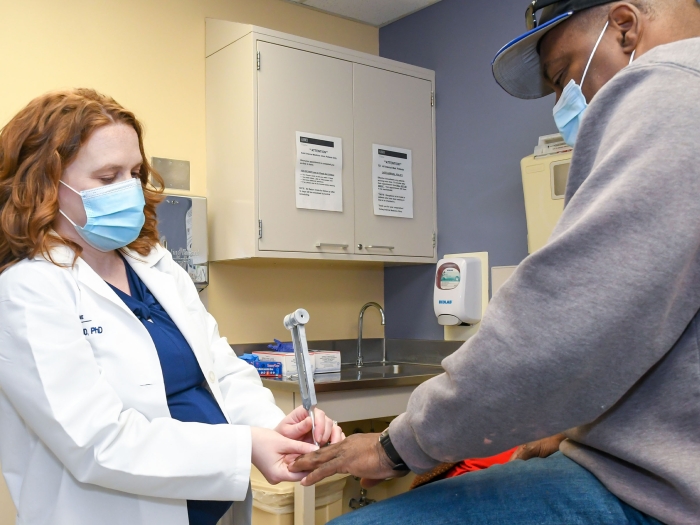
Neuropathy common, and mostly undiagnosed, among patients in this Michigan city
A research team, led by Michigan Medicine and in partnership with Hurley Medical Center, finds that nearly three-quarters of patients at a clinic in Flint, Mich., a community that is predominantly Black and socioeconomically disadvantaged, had neuropathy — of which 75% was undiagnosed.

Health Lab
Too much iron can cause big problems for the immune system
A study builds on previous work that found depriving T cells of iron prevented cells from proliferating. The current study, published in PNAS, found that excess iron is just as problematic.

Health Lab
Health costs top older adults’ list of concerns for people their age, poll finds
People over 50 of all backgrounds say they’re most concerned about various kinds of health costs affecting people their age, including insurance, prescriptions, medical care, dental care and home or longterm care.
Health Lab
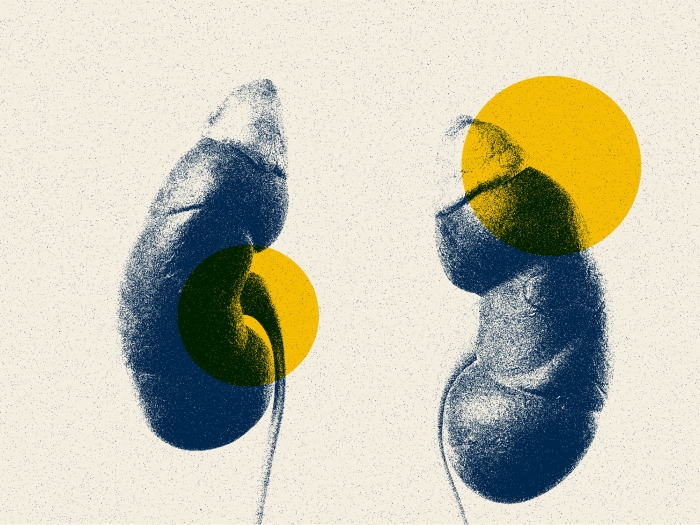
Why personalized medicine is important in rare kidney disease
Building a comprehensive human kidney cell and tissue catalog could help develop more treatments for kidney disease.

Health Lab
Path forward for glioblastoma treatment
Experts in brain cancer outline current discoveries and offer a path of hope for glioblastoma treatment
Health Lab
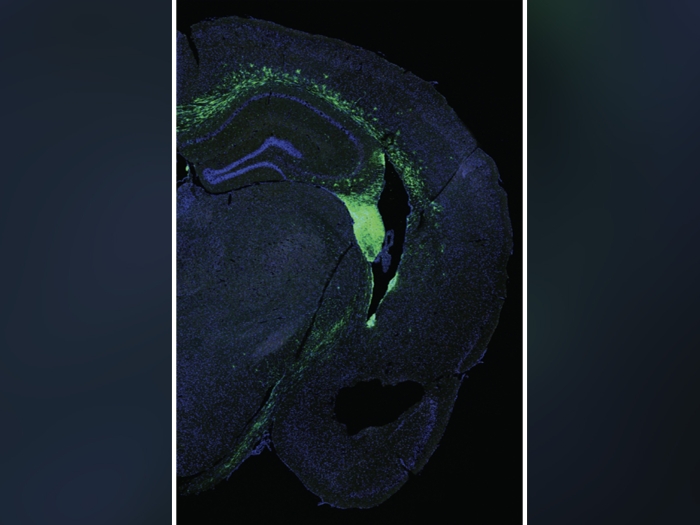
Stem cells improve memory, reduce inflammation in Alzheimer’s mouse brains
Researchers improved memory and reduced neuroinflammation in a mouse model of Alzheimer’s Disease, suggesting another avenue for potential treatment.

Health Lab
Unlocking the secrets of SuperAgers
People in their 80s and 90s with cognitive abilities similar to much younger people, called super agers, are taking part in a national study of their brain health.

Health Lab
Does trying to look younger reduce how much ageism older adults face?
How do ageism and positive age-related experiences differ for people who have tried to look younger, or feel they look younger, than they actually are? A new study examines this and the relationship with health
Health Lab
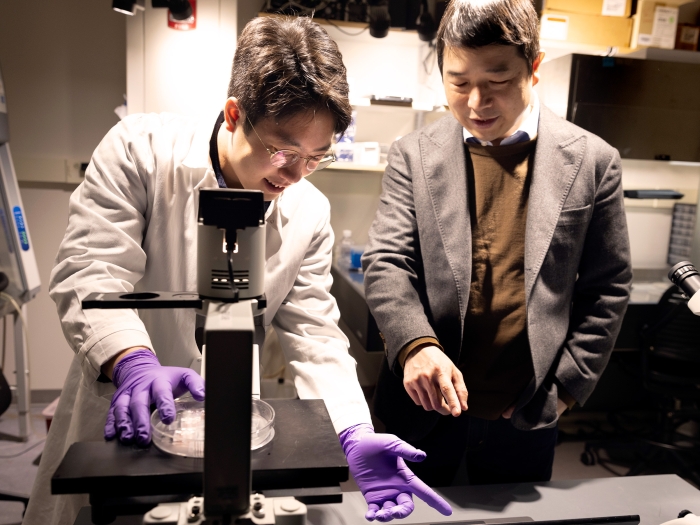
Human stem cells coaxed to mimic the very early central nervous system
The first organized stem cell culture model that resembles all three sections of the embryonic brain and spinal cord could shed light on developmental brain diseases
Health Lab
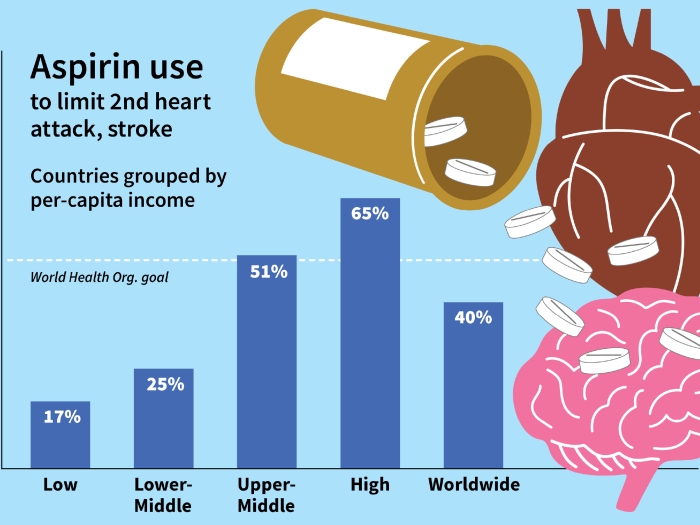
Aspirin can prevent a second heart attack or stroke, but many don’t use it
Washington University School of Medicine and Michigan Medicine researchers found that fewer than half of people who have experienced a heart attack or stroke use aspirin to prevent a second one.

Minding Memory
Racial Disparities in Alzheimer’s Disease and Related Dementias
In this episode of Minding Memory, Matt & Donovan speak with Dr. Lisa Barnes, the Alla V. and Solomon Jesmer Professor of Gerontology and Geriatric Medicine, Department of Neurological Sciences and Associate-Director of the Rush Alzheimer’s Disease Center at Rush University. Dr. Barnes talks with Matt & Donovan about racial disparities in Alzheimer’s disease dementia and several obstacles that have impeded our understanding of race and dementia.

Health Lab
CRISPR off-switches: A path towards safer genome engineering?
A study from the University of Michigan Medical School developed off-switches useful for improving the safety of the Type I-C/Cas3 gene editor.

Health Lab
Everyone plays a role in improving cancer health equity
As guest editor for a themed journal issue, Lori Pierce helps highlight the multiple factors that can make cancer care and prevention more equitable and reduce the burden of this disease for all

Health Lab
Studying cells to improve medulloblastoma treatment
Research from Michigan Medicine experts is shedding light and potentially expanding options for patients living with an aggressive childhood cancer.
