
More articles about: All Research Topics

Health Lab
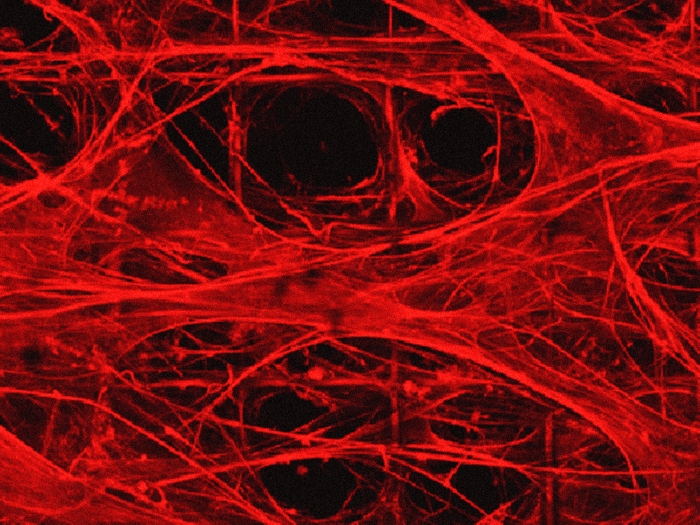
Targeting TAK1 protein to treat systemic sclerosis
Researchers at the University of Michigan Health System have identified a protein that may be a new target for treatment of systemic sclerosis.
Health Lab
Artificially grown ‘mini-brains’ without animal components bring opportunities for neuroscience
University of Michigan researchers developed a novel method to produce artificially grown miniature brains that could impact how neurodegenerative conditions are studied.

Health Lab
Long in decline, maternal mortality rate trends have stalled in recent years
After decades of falling global maternal mortality rates, has the momentum evaporated? A new WHO report suggests just that, and Michigan Medicine researchers are urging their peers not to take their collective eye off the ball.
Health Lab
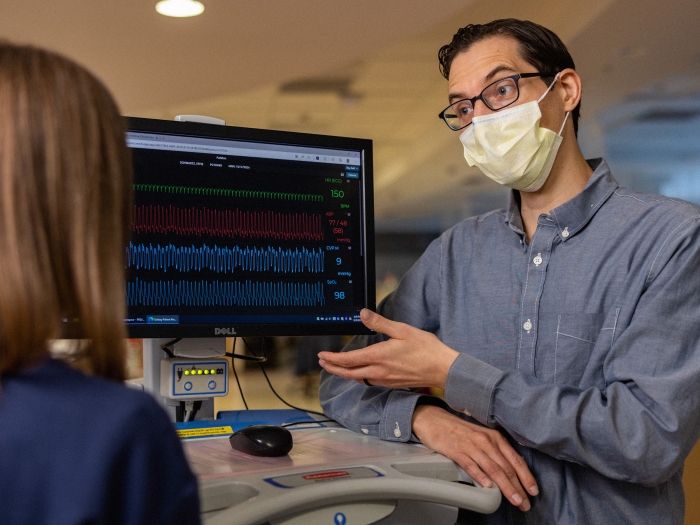
Mobile monitoring system transforms bedside care
The Mobile Monitoring Transformation Project, supported by the Sickbay Clinical Platform will allow care team members to access data from cardiac monitors and all connected bedside devices on workstations, PCs, phones and tablets. The new web-based technology will transform bedside care and greatly enhance collaboration among care team members. A pilot was run last year, and units in different buildings will begin using the new technology this week, with a larger rollout planned.
Health Lab
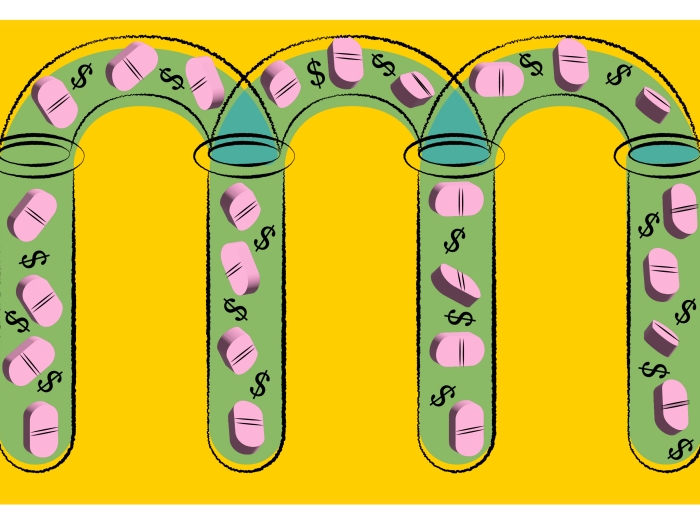
Changing the way immune-based cancer drugs are delivered could reduce costs by 14%
An analysis finds that up to millions of dollars could be saved annually on cancer immunotherapy treatments across the Veterans Health Administration by reconsidering how those drugs are delivered.

Health Lab
How a high-fat diet may alter the gut microbiome and lead to peripheral nerve damage
But Michigan Medicine-led research suggests that the gut microbiome, the trillions of bacteria that live in our guts, may serve as this link between a high-fat diet and metabolic and nerve health.

News Release
Rogel Cancer Center awarded $37M from NCI
The National Cancer Institute has awarded the U-M Rogel Cancer Center a grant worth $37 million over five years and renewed the center’s designation as a “comprehensive cancer center.”
Health Lab
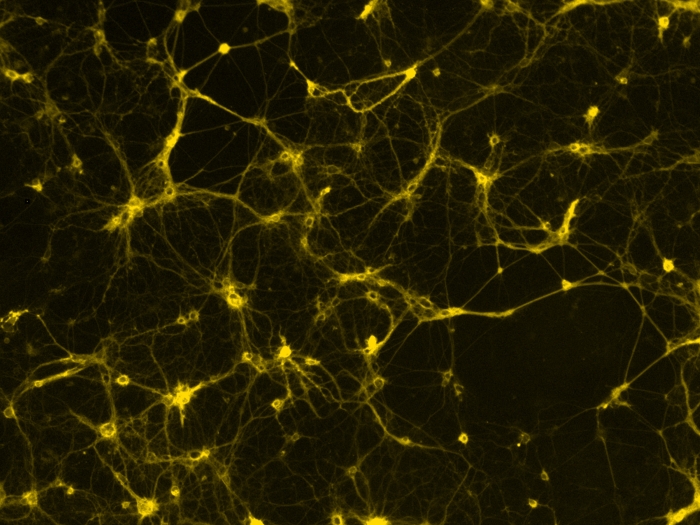
Novel genetic scoring system helps determine ALS disease risk
Research by the University of Michigan finds a newly created polygenic scoring system — one that weighs the combined effects of common genetic variants — can improve the ability to predict an individual’s risk of developing ALS.

Health Lab
Transgender people more likely to be admitted when seeking emergency care
Research suggests transgender and nonbinary people are significantly more likely than cisgender peers to be admitted following a visit the emergency department.

Health Lab
Low food security associated with metabolic syndrome among reproductive aged Hispanic population
: Low food security associated with metabolic syndrome among reproductive aged Hispanic population a study suggests.

Health Lab
How seeing corpses reduces the lifespan of flies
A study led by the University of Michigan Medical School finds a link between death perception and reduced aging in flies.
Health Lab
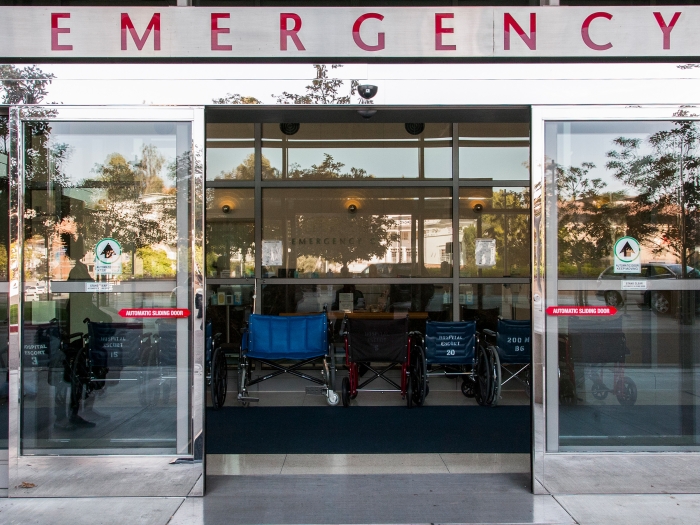
‘Concerning’ CT scans may cause unnecessary hospitalization for some pulmonary embolism patients
Michigan Medicine research finds that some patients with PE, a blood clot in one or more pulmonary arteries, may be hospitalized unnecessarily due to computed tomography, or CT, imaging results rather than clinical risk factors.

Health Lab
Research hints at how fungus farming ants keep their gardens healthy
Investigators find that these specific ants sniff out diseased fungus by detecting chemicals called peptaibols.
Health Lab
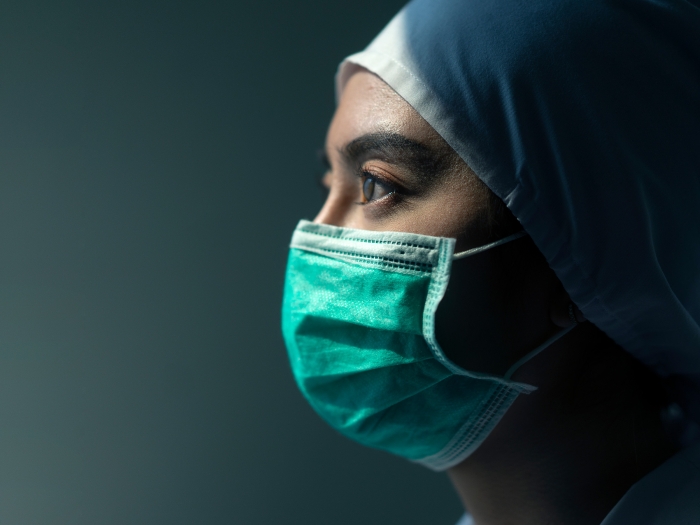
In academic hospitals, study finds these groups disproportionately affected by workplace mistreatment
A study finds that women, racial and ethnic minorities, and individuals identifying as lesbian, gay, bisexual, transgender and queer are disproportionately affected by workplace mistreatment in academic medicine, and this mistreatment negatively impacts their mental health.

Health Lab
During the pandemic, hospital transfers were complex and distressing
A study from the University of Michigan Center for Bioethics & Social Sciences in Medicine examined the factors that went into this decision-making—and the moral distress that often resulted from it.
