
More articles about: All Research Topics

Health Lab
Researchers develop models to help diagnose ALS earlier through blood biomarkers
New machine learning models by Michigan Medicine may help diagnose amyotrophic lateral sclerosis, or ALS, earlier on through a blood sample.
Health Lab
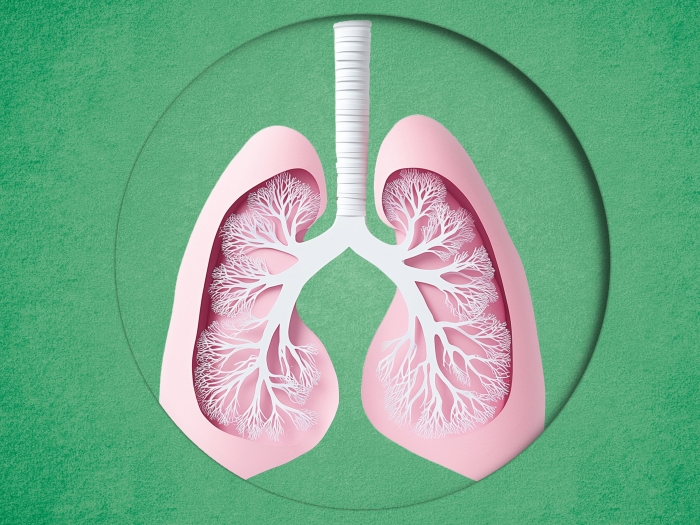
New hope for patients with idiopathic pulmonary fibrosis
A pulmonary and critical care doctor and research at Michigan Medicine discussed idiopathic pulmonary fibrosis (IPF) and the latest advancements in treating the condition.

Health Lab
America doesn’t have enough hospital beds. This could help
The Michigan Medicine Capacity Command Center, known as M2C2, and operational changes have accelerated bed assignment, transfer acceptance and discharge while reducing length of stay for adult inpatients.
Health Lab
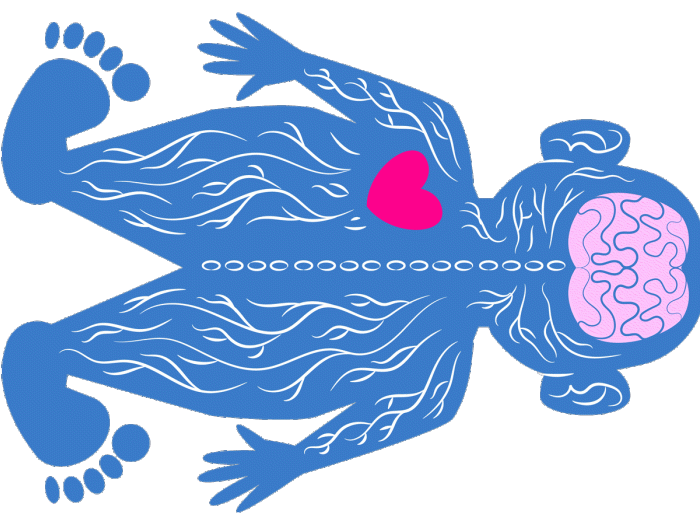
Study to focus on factors influencing brain development in kids with congenital heart disease
Researchers examine how early heart procedures may influence neurodevelopment in babies with limited blood flow to the lungs.

Health Lab
Americans are unprepared for the expensive and complex process of aging
A Michigan Medicine geriatrician explains how Americans can prepare to age well.
Health Lab
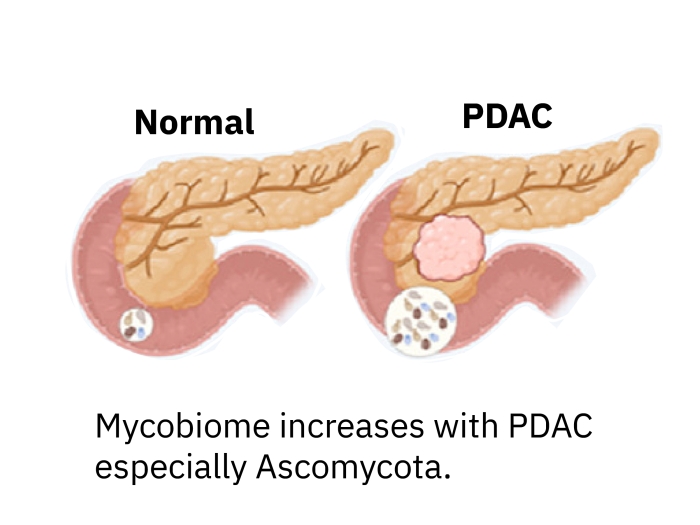
Gut microbiome may influence how patients with pancreatic cancer respond to treatment
Microbes create unique communities called microbiomes in the gut, oral cavity, skin and urogenital regions. Donnele Daley discusses common misconceptions about “healthy” microbes, the role of microbiomes in pancreatic cancer and future research directions.

Health Lab
Most older drivers don't think about the road ahead, poll suggests
Most people over 65 drive at least weekly and are confident they can drive safely, but most aren’t aware they can plan ahead for a time when it’s no longer safe for them to drive.

Health Lab
New metric better predicts which drug-induced liver injury patients require transplant
Study finds the DILI-Inpt prognostic score outperformed existing systems in identifying which hospitalized patients with severe idiosyncratic drug-induced liver injury were unlikely to recover on their own.

Health Lab
Parents say mental health and belonging are as vital to school safety as building security
When parents think about school safety, most are just as concerned about students’ mental health and sense of belonging as they are about locks, cameras and drills, suggests a national poll.
Health Lab
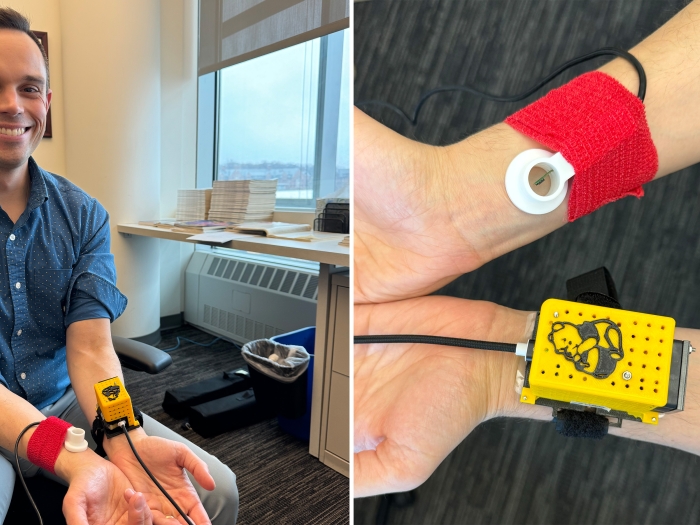
Novel measuring tool reduces severe allergic reactions during food allergy challenges
A new device called TEWL, created by Michigan Medicine, can help to reduce severe allergic reactions from occurring during food allergy challenges.

Health Lab
Lactulose and tai chi show promise preventing falls for cirrhosis patients
Lactulose and tai chi can prevent falls in patients with cirrhosis, according to results from the LiveSMART Trial run by Michigan Medicine.
Health Lab
Colon cancer screening: New data point to ways to boost uptake and follow up
Noninvasive colon cancer screening options have increased; new research looks at patient and physician preferences and impact of full follow-up colonoscopy insurance coverage.

Health Lab
Palliative care and hospice poll reveal major gaps
Hospice and palliative care knowledge among older adults varies greatly, but once they hear a definition, most are interested in receiving such care if they qualified.

Health Lab
Insights from worms could help scientists harness the power of dietary restriction for longevity
Research from the University of Michigan Medical School uncovers interesting connections between a longevity gene, behavior and the environment.
Health Lab
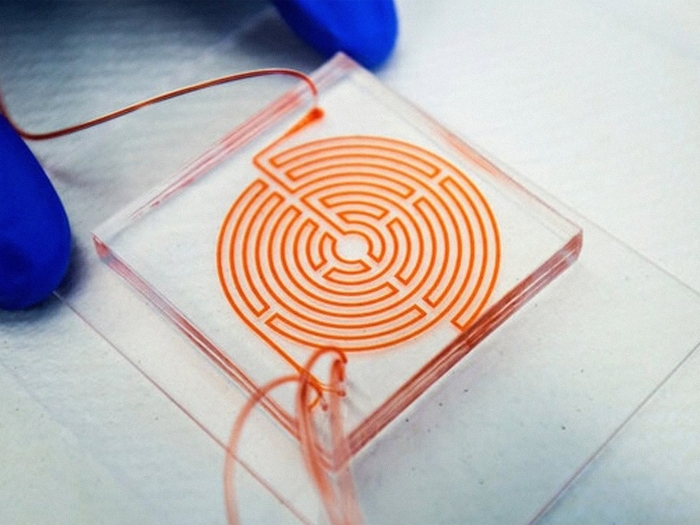
Capturing cancer cells from blood could help doctors choose the right breast cancer treatment
Doctors may be able to spare patients unnecessarily aggressive breast cancer treatments by collecting and testing cancer cells in patients' blood, study from the University of Michigan and the University of Kansas suggests.
