
More articles about: Neurology

Health Lab
Helping an employee-turned-patient overcome a brain tumor
A patient with a brain tumor talks about their experience being an employee receiving care at Michigan Medicine.

Health Lab
Psychoactive substances and adverse side effects for patients with multiple sclerosis
Psychoactive substances can give immediate relief to people living with multiple sclerosis, but some come with adverse side effects. Research led by University of Michigan Health looks at the positive and negative impacts of using psychoactive substances to manage symptoms.

Health Lab
Early intervention and expertise crucial for treating pediatric craniofacial disorder
Pediatric neurosurgeon Suresh Magge, M.D., clinical professor of neurosurgery at University of Michigan Health C.S. Mott Children’s Hospital and a nationally recognized leader in the surgical management of craniosynostosis, answers important questions about the condition, stressing the critical need for early intervention.

Health Lab
Timely treatment helps former baseball pro survive on-field stroke with no complications
Two days after his players recognized stroke symptoms at practice, a baseball and softball coach left the hospital with zero complications or lingering effects thanks to timely treatment.

Health Lab
Revolutionizing child neurology residency training
Rachel Gottlieb-Smith, M.D., Child Neurology Residency Program Director at Michigan Medicine, is addressing gaps in clinicals for child neurology residents to improve their clinical skills, reshaping how residency programs nationwide could train future neurologists, ensuring that every graduate is fully prepared to provide optimal care.
Health Lab
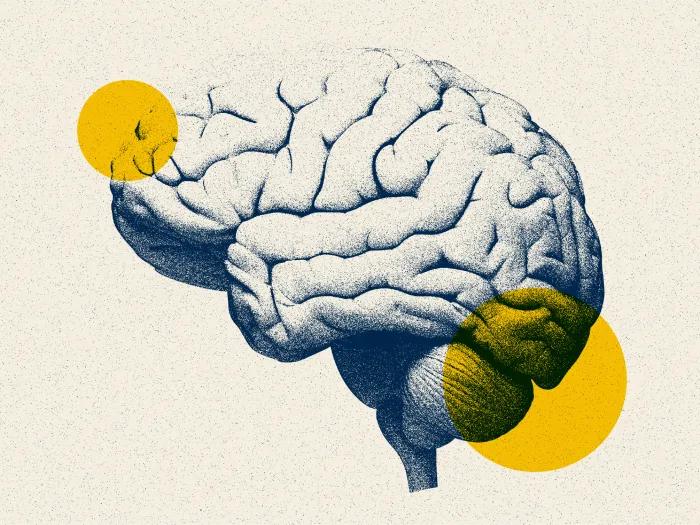
Itaconate identified as a new target for pediatric brain tumors called ependymomas
University of Michigan researchers have found that a specific molecule called itaconate drives the development of ependymomas, a pediatric brain tumor. Their findings can help future drug development for children with this type of malignant brain tumor.
Health Lab
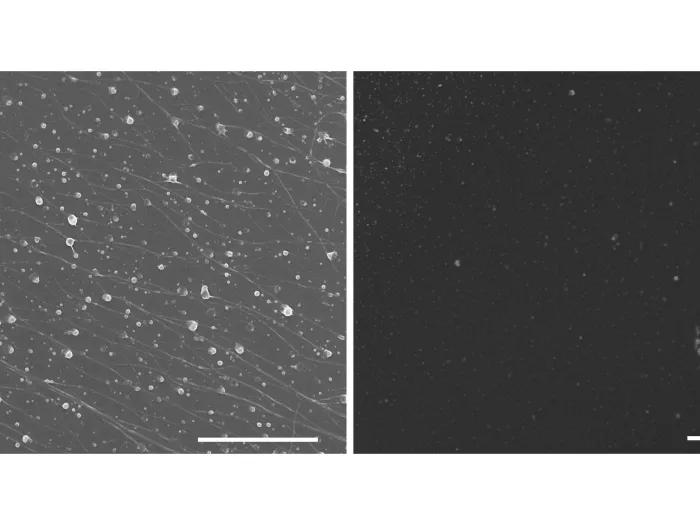
Using a microfluidic device to monitor glioblastoma treatment outcomes
Using a microfluidic device, researchers isolated glioblastoma biomarkers that can be used to predict patient responses to chemotherapy drugs.
Health Lab
Researchers develop models to help diagnose ALS earlier through blood biomarkers
New machine learning models by Michigan Medicine may help diagnose amyotrophic lateral sclerosis, or ALS, earlier on through a blood sample.
Philanthropy News
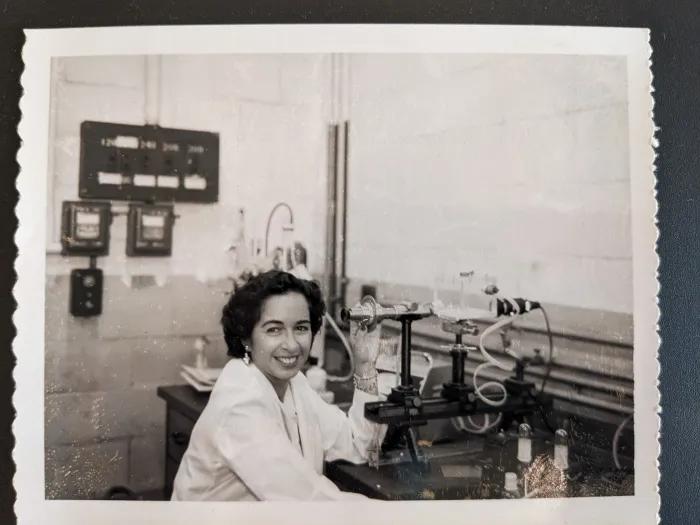
Elaine Shafrin’s life and legacy
Inspired by her passion for education and helping people overcome obstacles, Elain Shafrin has made a planned gift to support U-M student scholarships and movement disorders research.
Health Lab
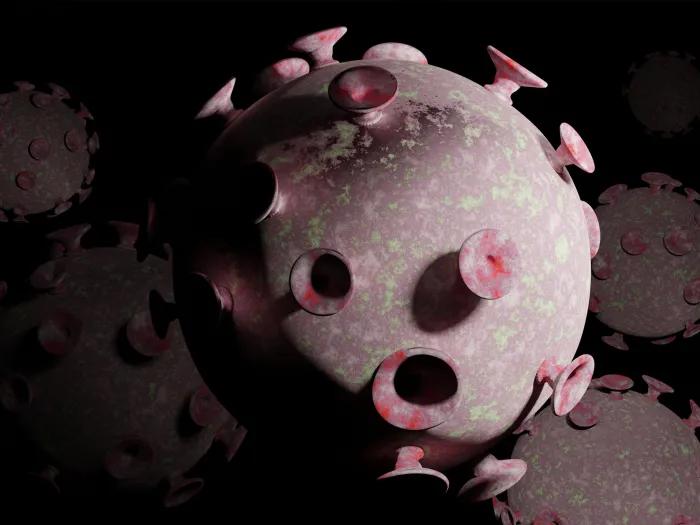
How virus-like proteins shape a cell’s stress response
Researchers from University of Michigan have identified pivotal roles for a pair of virus-like proteins and their effect on how cells self-regulate and respond to stress. These proteins are implicated in several cancers and neurodegenerative diseases
Health Lab
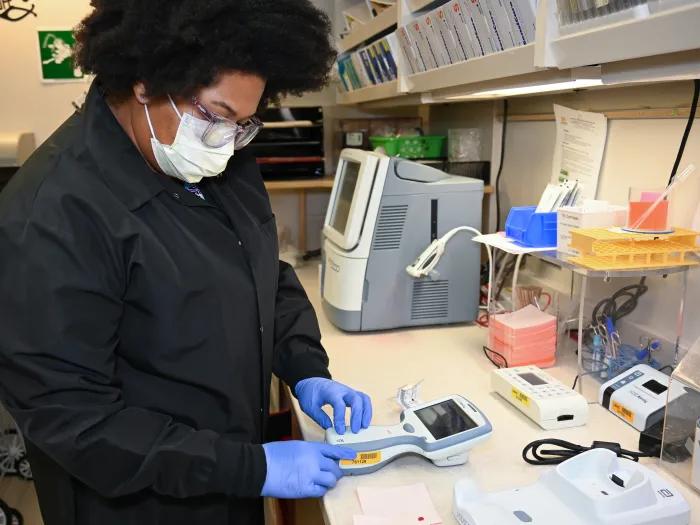
Revolutionizing head injury care
A simple blood test is changing how emergency medicine operates.

Health Lab
Training and instinct led nurse from quiet clue to critical catch
A Michigan Medicine nurse catches a critical situation for a patient.
Health Lab
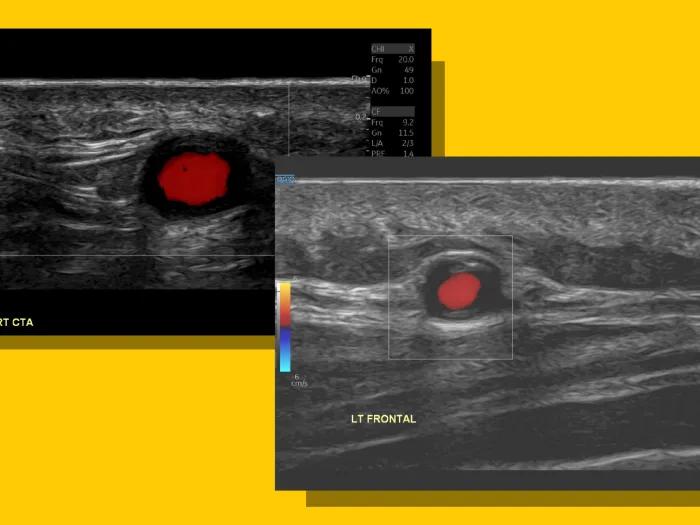
Using ultrasound technology to quickly diagnose giant cell arteritis
Ultrasound technology at University of Michigan Health is helping diagnose giant cell arteritis in patients to begin potentially moving away from using invasive surgical biopsy methods.
Breaking Down Mental Health
Psychotropic Management of Pediatric Anxiety
Review SSRIs and SNRIs for pediatric anxiety, benzodiazepines for acute relief, and non-benzo options like hydroxyzine for as-needed anxiety management.

Health Lab
Cognitive decline comes sooner for people with heart failure
There are over six million Americans with heart failure who are at greater risk of losing their cognitive abilities earlier in life, a study led by University of Michigan suggests.
