
More articles about: Obesity & Weight Management

Health Lab
How do GLP-1 weight loss drugs affect the liver?
Glucagon-like peptide-1, or GLP-1, receptor agonists, that aid in weight loss, are now being investigated for their ability to help other patients, including those with liver disease. However, a research letter discusses the first known case of hepatitis and jaundice in a patient taking these drugs.

Health Lab
Navigating a weight loss journey
Losing weight can feel like a constant uphill battle for many people. However, patients like Marsha Burks found success with The Weight Navigation Program at Michigan Medicine, a program aiming to make weight loss easier with structured, individualized support.

Health Lab
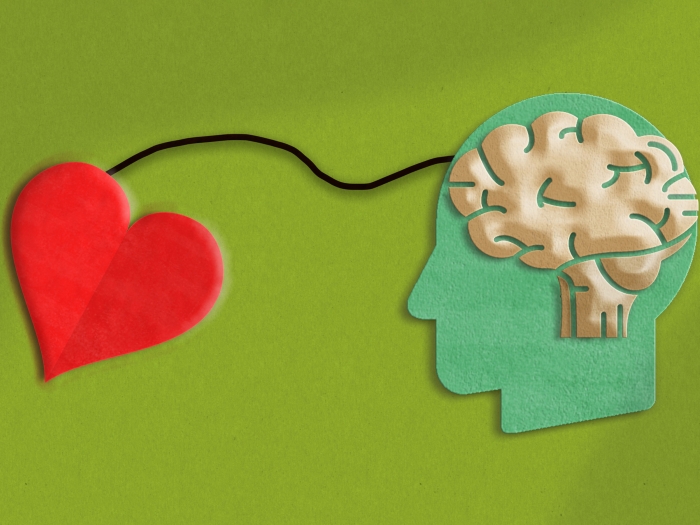
How a gene for obesity affects the brain
How a gene for obesity affects the brain: The discovery could lead to new treatments for metabolic diseases with fewer side effects
Health Lab
Can preventing inflammation improve heart and brain health?
Michigan Medicine research study aims to address inflammation’s role in diseases of the heart and brain.

Health Lab
Young people are increasingly using Wegovy and Ozempic
A national study from Michigan Medicine shows that the use of these weight loss drugs is increasing rapidly in adolescents and young adults 12-25 years, especially females.

Health Lab
Adding obesity experts to primary care clinics improves patients’ weight loss outcomes
A weight navigation program for primary care patients with obesity led to more use of proven weight management strategies and more weight loss
Health Lab
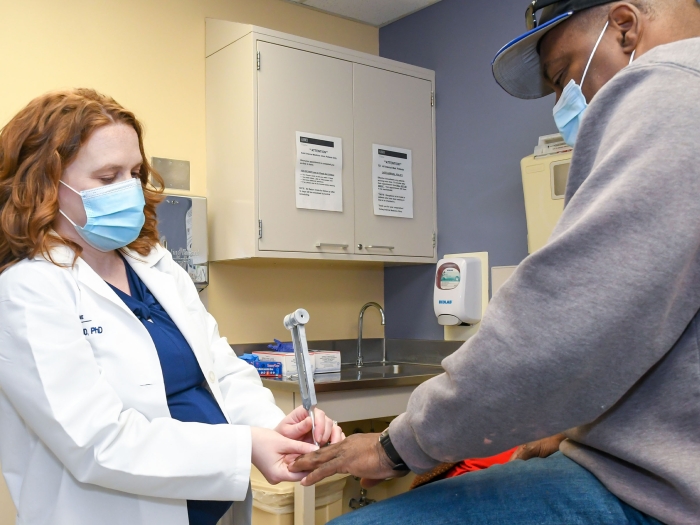
Neuropathy common, and mostly undiagnosed, among patients in this Michigan city
A research team, led by Michigan Medicine and in partnership with Hurley Medical Center, finds that nearly three-quarters of patients at a clinic in Flint, Mich., a community that is predominantly Black and socioeconomically disadvantaged, had neuropathy — of which 75% was undiagnosed.

The Fundamentals
Treating Diabetes & Weight: The Ozempic & Wegovy Effect
Today on The Fundamentals, our guest Dr. Martin Myers, Director of the U-M Elizabeth Weiser Caswell Diabetes Institute, discusses diabetes research in the context of Ozempic, Wegovy, and other drugs that are changing how people think about weight loss.

Health Lab
Obesity care can make a big difference, but few get it, study suggests
Obesity care under a health care provider’s supervision, whether through nutrition counseling, medication, meal replacement or bariatric surgery, can help people with high BMI, but many don’t receive it.
Health Lab
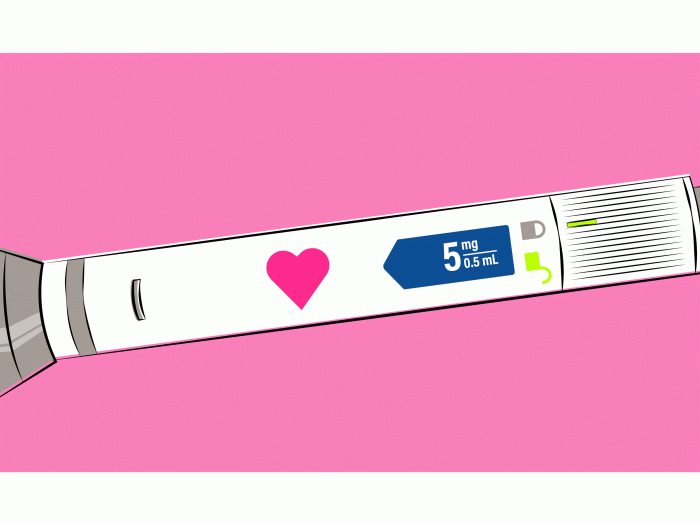
Should heart patients consider taking weight loss medications?
Cardiologist shares how weight loss medications may impact cardiovascular health.

Health Lab
Bariatric surgery may slow cognitive decline for people with obesity
Investigators found that people with obesity who underwent bariatric surgery had stable cognition two years later. Researchers say it suggests that bariatric surgery may mitigate the natural history of cognitive decline expected in people with obesity.
Health Lab
Medicare doesn’t cover obesity drugs, but 76% of older adults think it should
Drugs approved for people with obesity or diabetes, such as Ozempic and Wegovy, can reduce risk for older adults; a new poll shows attitudes toward them
The Fundamentals
My Clinical Training is Fundamental to the Kind of Researcher I Am
A conversation with Dr. Julie Lumeng on pediatrics, nutritional sciences and emerging science in child development and behavior.
Health Lab
Bariatric surgery may reverse diabetes complications for people with obesity
Recent research from the University of Michigan Health suggests that bariatric surgery may reverse diabetes complications for people with obesity. Learn more about this groundbreaking study and its potential implications for diabetes treatment.

Health Lab
Bariatric endoscopy for weight loss: What is it and how does it work?
A gastroenterologist discusses several non-invasive therapies for treating obesity
