Dr. Feldman talks about dementia and anosognosia
Care.com interviewed Eva Feldman, M.D., Ph.D., for an article about dealing with loved ones who have dementia and anosognosia.
Author |
From Care.com:
Anosognosia and dementia: What to do when your loved one is unaware of their condition
When dementia is paired with anosognosia, caregiving becomes more complex. Learn what anosognosia is, why it happens and how compassionate strategies can reduce conflict, improve safety and support caregivers.
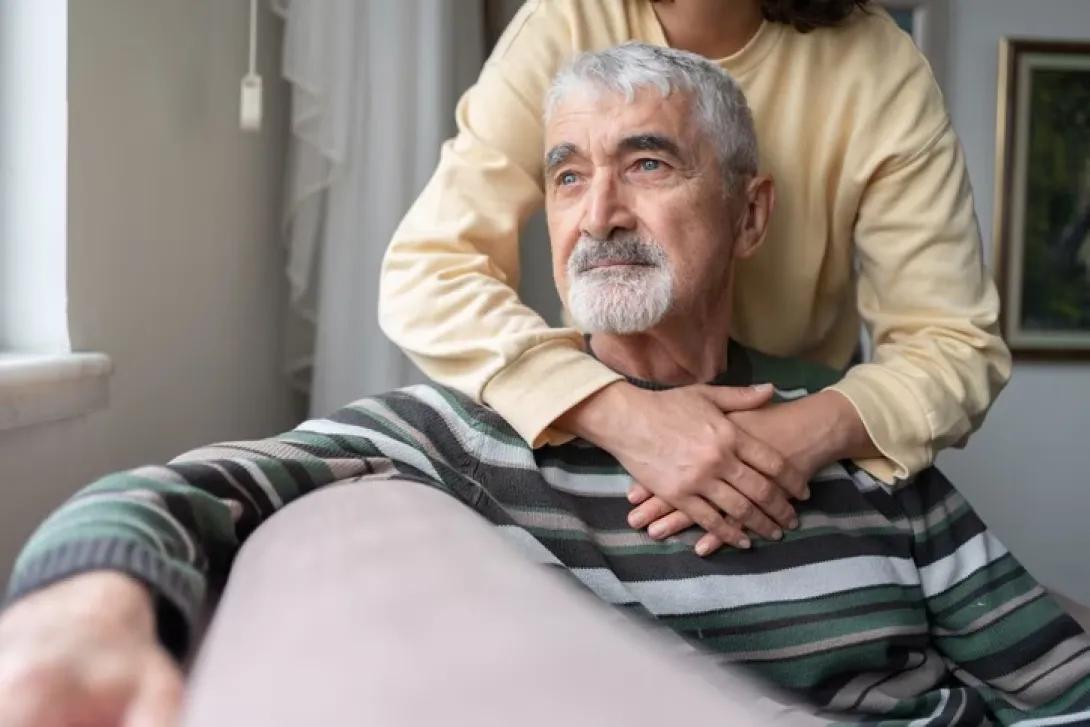
Watching someone you love slip away can be disorienting and devastating. For Elizabeth Davila, an only-child caregiver in Ann Arbor, Michigan, the changes began quietly after her mother, a former attorney known for her sharp mind, was diagnosed with frontotemporal dementia. She no longer recognizes some family members she’s known for years, written words don’t make sense and once-routine tasks require careful guidance. Davila’s mother struggles to communicate needs or emotions that once came easily.
What makes these moments even harder is that Elizabeth’s mother sometimes does not recognize what she is losing. She may insist she is fine or grow frustrated when others step in, responses that can feel confusing or even hurtful to those trying to care for her. This lack of awareness is known as anosognosia, a neurological condition that affects the brain’s ability to perceive its own impairments. Common in many forms of dementia, anosognosia is not denial or stubbornness, but a symptom of the disease itself.
When dementia is paired with anosognosia, caregiving becomes especially complex. Families manage safety concerns, emotional outbursts and strained relationships, all while grieving the gradual changes in someone they love. Understanding what anosognosia is, why it happens and how it shapes behavior can help caregivers replace frustration with empathy and find more effective, compassionate ways to navigate daily life.
Key takeaways
- Anosognosia is a brain-based lack of awareness — not denial — which makes dementia care more complex and can lead to safety risks, conflict and emotional strain for families. Understanding this distinction helps caregivers adjust expectations and communicate more effectively.
- Caregiving strategies that focus on redirection, calm communication, simplified routines and a safer home environment can reduce stress and maintain dignity for both the caregiver and the person living with dementia. Arguing or trying to force awareness rarely works and often increases agitation.
- Professional guidance, support groups, respite care and therapy all play vital roles in preventing burnout and sustaining emotional well-being. Seeking help early, building a support network and reframing caregiving as an act of love can make the journey more manageable and meaningful.
What is anosognosia?
“Anosognosia is a medical term that means a person is unaware of, or unable to recognize, a serious problem with their own health, even when that problem is very clear to family members and doctors,” says Dr. Eva L. Feldman, a neurologist, professor, and director at NeuroNetwork for Emerging Therapies at Michigan Medicine, who chose her specialty after caring for her mother who had Alzheimer’s.
Often associated with cognitive changes, experts estimate anosognosia occurs in over 80% of people with Alzheimer’s, according to Cleveland Clinic. Agnosognosia also commonly occurs with other dementias.
Although it may look like denial, anosognosia isn’t a psychological defense mechanism. It stems from real, physical changes in the brain that disrupt a person’s ability to recognize their decline.
“Anosognosia occurs when brain networks that support self-awareness are disrupted, especially regions in the frontal and parietal lobes that help us notice changes in our thinking, movement or behavior,” adds Feldman. “Rather than a psychological choice, it is a neurological or neuropsychiatric symptom: the brain’s ‘monitoring system’ for detecting problems is no longer working properly.”
How anosognosia and dementia interact
When anosognosia and dementia occur together, the effects reach far beyond memory problems. Because anosognosia disrupts the brain’s ability to recognize illness, a person may be unaware not only of cognitive decline, but also of changes in behavior, physical limitations, and even other medical conditions. This lack of insight can shape how someone responds to care, treatment and everyday safety.
“Anosognosia can be a part of dementia in that the person is completely unaware of their memory issues, changes in behavior and loss of function in daily activities and higher-order activities,” says Dr. Laurie A. Boore-Clor, a geriatric psychiatrist at Henry Ford Health. She explains that while some people with dementia may forget their diagnosis and accept it when reminded, those with anosognosia respond differently. “They will argue with the person or shut down when confronted.”
When dementia and anosognosia occur together, your loved one may sincerely believe they’re functioning normally. This lack of awareness can also have downstream consequences for overall health. Someone with anosognosia may resist taking medications, dismiss new symptoms or decline medical appointments because they don’t see a problem. Others may continue driving, cooking or managing finances despite increasing risk. For caregivers, this gap between perception and reality can turn everyday support into a source of conflict and emotional strain, making it harder to protect safety, maintain trust and plan for the future.
Why anosognosia matters in dementia care
Without recognizing that anosognosia is a neurological symptom rather than stubbornness or denial, caregivers may inadvertently escalate tension or feel personal guilt for their loved one’s responses.
Understanding that anosognosia is at play is crucial for several reasons. It helps caregivers adjust expectations realistically, communicate more effectively and focus on strategies that prioritize safety, comfort and dignity rather than trying to force awareness. Knowing this distinction also guides caregivers to seek appropriate support, whether through respite care, counseling, or educational resources, which can reduce emotional strain and prevent burnout. Recognizing anosognosia allows families to navigate dementia care with empathy and practical strategies, and reduce frustration and misunderstanding.
What dealing with anosognosia and dementia means for family caregivers
Understanding how anosognosia affects a person’s insight can help you adjust expectations, reduce conflict and take steps that protect both your loved one and yourself. It often means rethinking how you communicate, how much support you provide and how to plan ahead for future needs.
Practical implications
When a loved one can’t recognize their own cognitive changes, caregivers often have to step in and manage more of the day-to-day tasks. These things include medication routines, appointments, finances, and home safety. Because insight may continue to decline, it’s wise to plan early for medical, legal and financial decisions so you’re prepared before a crisis arises.
Emotional implications and burnout
As roles shift and responsibilities grow, it’s natural to feel resentment, fatigue or sadness at times. These emotions don’t reflect a lack of love. They reflect the weight of caregiving. Seeking support, setting boundaries, and protecting your own mental health are not luxuries, instead, they’re essential parts of sustaining long-term caregiving.
“Sometimes caregivers need to step out,” advises Boore-Clor. “They need a break and they should take regularly scheduled ones for their own physical and mental health.”
Practical strategies for caregiving when navigating anosognosia and dementia
While you can’t make someone aware of their dementia, you can adjust the way you respond. These strategies help reduce conflict, lower stress and preserve both safety and dignity as needs change.
Redirection, distraction and avoiding certain topics are all strategies caregivers can use to reduce confrontations with loved ones with memory issues, says Boore-Clor.
Try communicating a bit differently
Instead of confronting inaccuracies or arguing, try redirecting the conversation or validating the feelings behind their words. Keeping your tone calm and using simple, collaborative language, like, “Let’s do this together,” can make daily interactions smoother and more reassuring.
Boore-Clor recommends the “broken record” technique as one way to respond to repeated questions or confusion without escalating tension. Instead of replying “I just told you,” which can trigger embarrassment, frustration and defensiveness, caregivers can calmly repeat the same short, reassuring answer. For example, “It’s Taco Tuesday today. It’s Taco Tuesday today. See? It’s Taco Tuesday today! What toppings would you like?”
This approach works, because it meets the person with dementia where their brain is functioning. Repetition provides consistency, reduces cognitive load and makes information feel less threatening, even if it isn’t remembered long-term. And for caregivers, it shifts interactions from correction to connection, lowering stress and preventing conflict. Adding gentle redirection, like offering choices about toppings, helps the person feel in control and keeps the conversation moving with dignity.
Create safety and structure
Because anosognosia affects a person’s awareness of their cognitive and functional changes, safety and routine strategies need to account for the fact that they may not recognize risks or remember instructions. Establishing consistent daily schedules with clear, step-by-step cues and breaking tasks into smaller actions can help compensate for gaps in awareness.
For example, Davila organizes her mother’s medications for a full month at a time to prevent missed doses or accidental overuse, knowing her mother may not realize when she forgets or takes the wrong pill.
At home, safety-focused adjustments are especially important when a loved one cannot accurately assess danger due to anosognosia and dementia. Consider doing the following:
- Remove tripping hazards, including loose rugs, cords and clutter.
- Install grab bars in bathrooms and other high-risk areas.
- Improve lighting throughout the home, especially hallways and stairs.
- Label doors, drawers and cabinets to make items easier to find.
- Use reminders, alarms or visual cues for daily tasks.
- Secure medications, cleaning supplies and other hazardous items.
- Add cabinet locks or door alarms where needed.
- Install automatic stove shut-off devices and secure appliances.
- Lock up or remove car keys if driving is no longer safe.
By anticipating these blind spots in awareness for people living with anosognosia, caregivers can reduce danger, preserve independence and maintain dignity for their loved one.
Build your support system
You don’t have to do this alone. Building a support system starts with educating family and caregivers about anosognosia so everyone responds with empathy rather than confrontation. Experts recommend sharing trusted resources, involving a clinician in family conversations and using communication frameworks like the LEAP method to focus on listening and common ground.
While few groups are labeled specifically for anosognosia, many dementia caregiver support groups address lack of awareness, and organizations like the Alzheimer’s Association offer local groups, online communities and helplines tailored to these challenges.
Asking for help — and being specific about what you need — can make caregiving more sustainable. Davila, who now receives respite care from extended family, emphasizes the importance of outside support, including therapy.
Boore-Clor reminds caregivers, “Caregivers are definitely not alone and should seek professional guidance,” while Feldman adds, “Remember that seeking help isn’t a sign of weakness, but instead an essential part of sustaining your ability to care for someone you love.”
Familiarize yourself with common behaviors and challenges
Refusing help or care, denying memory loss, continuing unsafe tasks (like driving) are all common behaviors for people living with anosognosia and dementia.
“Every caretaker needs to understand that it’s not the fault of the patient,” says Aishah Raffee, a geriatrician at Trinity Health Comprehensive Geriatric Primary Care. “Their abilities change. It is a natural progression of their disease process.” They’re not being difficult; they can’t perceive the problem.
Understand the emotional impact
Caring for someone with dementia and anosognosia can take an emotional toll, and feelings like frustration, grief or guilt are completely normal. As your loved one’s awareness changes, the shared reality you once counted on begins to fade, leaving you to mourn the relationship you had while learning to navigate the current relationship. Recognizing these mixed emotions and giving yourself permission to feel them is key to maintaining your own well-being as you navigate the daily challenges of caregiving.
When to seek more help when dealing with anosognosia
As dementia progresses, anosognosia often worsens, making it important to recognize when more support is needed. Growing safety risks, aggression, refusal of essential care or caregiver exhaustion are clear signals to reach out.
“Warning signs of anosognosia often appear as subtle changes in how a person talks about or responds to their own difficulties,” explains Feldman. “Loved ones may notice that the individual dismisses or minimizes clear problems, such as insisting their memory is ‘perfectly fine’ despite repeated forgetfulness, or explains away mistakes with reasons that don’t fit the situation.”
People may also react with surprise or irritation when help is offered, reject medical evaluations or continue unsafe activities, and as Feldman adds, “Often, there is a clear mismatch between their confidence and their actual abilities.”
It’s also important to watch how your loved one functions day to day, especially when it comes to independence. Raffee notes, “The biggest changes to be worried about are changes in instrumental activities of daily living, like phone use, the ability to care for a home, bathing and the ability to dress for the weather.” Any noticeable shift from a person’s usual abilities — particularly if safety is at risk — is a strong reason to seek help from a primary care doctor, neurologist or geriatrician.
How to find hope and connection when dealing with anosognosia and dementia
Even when a loved one can’t fully recognize their cognitive changes, they can still feel love, comfort and connection. Focusing on emotional bonds can bring moments of joy and meaning into the caregiving experience. Simple interactions — listening to familiar music, holding hands, looking through old photos or taking a gentle walk — often resonate more deeply than conversations about memory or awareness.
“One thing my [grandmother] almost always enjoyed was getting her nails painted,” says Dixon. “We found small ways to bring joy while accomplishing important care tasks.”
A key part of navigating anosognosia is releasing the urge to make someone understand their condition, an effort that often leads to frustration for both of you. Shifting your focus toward comfort, safety and emotional well-being can transform caregiving into an ongoing act of love and patience rather than a problem to be solved. By prioritizing compassion over correction and connection over convincing, daily caregiving can feel more manageable and meaningful — and a reminder that your efforts truly matter.
In This Story

Eva L Feldman, MD, PhD
Professor
Featured News & Stories
Continuing the legacy of a doctor’s doctor
Dr. Kevin Chen Named Charlene Handelman Emerging Scholar
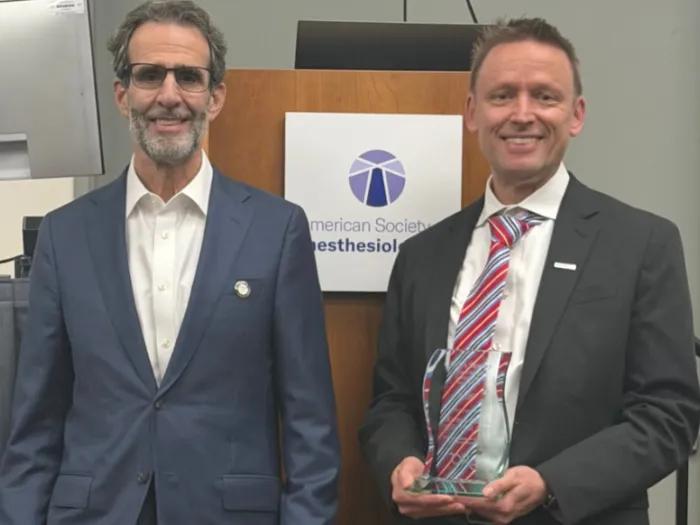
Karsten Bartels, MD, earns Gladys Sessler Outcomes Research Consortium Award
Online resources and coaching helped people seek genetic testing for cancer
Into the Current: Dr. Nate Hunt Brings Specialized Water Rescue Expertise Back to Michigan Medicine