Weil researchers study blood biomarkers to improve stroke diagnosis, reduce testing in older adults
Age-related factors can complicate stroke diagnosis, but signals in blood could help clinicians make a clearer and more rapid determination.
Author |
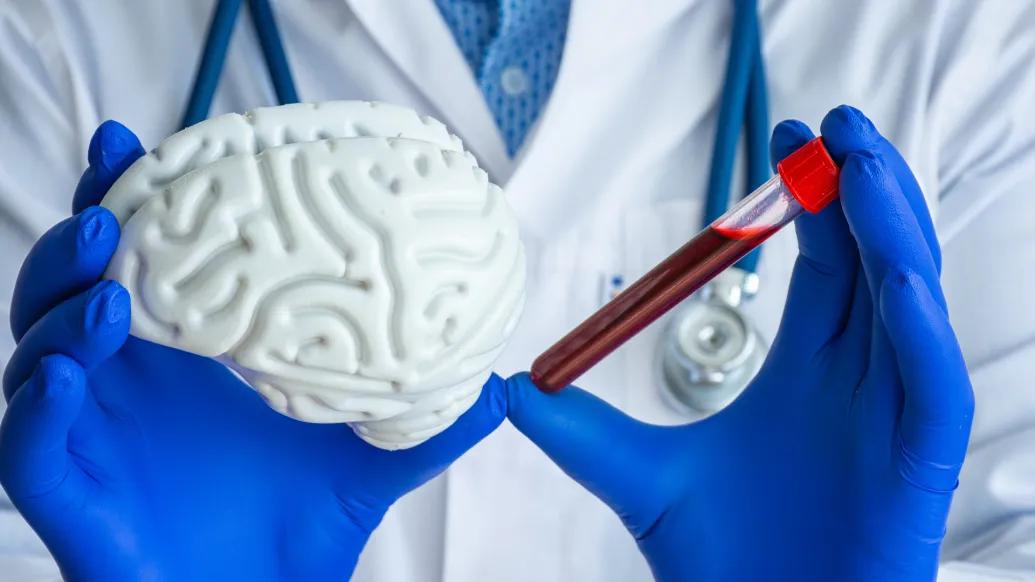
ANN ARBOR – Dr. Lauren Mamer, Clinical Assistant Professor of Emergency Medicine and a member of the Max Harry Weil Institute for Critical Care Research and Innovation at the University of Michigan, has been awarded a $55,000 grant from the Blue Cross Blue Shield Foundation of Michigan (BCBSM) to support work using blood-based biomarkers to improve diagnosis of stroke and transient ischemic attack (TIA) in older adults in the emergency department (ED).
Stroke and TIA, (also known as “mini-stroke”), are major causes of disability and death among older adults. Accurately diagnosing these conditions in the ED is crucial for optimizing care; however, diagnosis can be challenging in these patients, as they may have other health- or age-related conditions—such as hypertension, diabetes, or a history of smoking—that can complicate evaluation.
“Older adults account for a significant number of ED visits in the United States and are more likely to have additional factors affecting brain health,” said Dr. Mamer. “When these patients present with neurologic symptoms, physicians order extensive testing and imaging to rule out stroke or TIA. But while these evaluations are important, they also extend the amount of time that a person spends in the hospital and can expose patients to tests that may be unnecessary. The goal of our research is to address this problem by establishing age- and risk factor-adjusted thresholds for interpreting blood-based biomarkers in adults age 65 and older.”
A Reflection of Brain Health in Blood
Recent advances have made it possible to measure proteins released by injured brain cells in a blood sample. One such biomarker, called “GFAP,” has been cleared by the U.S. Food and Drug Administration for use in determining whether imaging is needed after mild traumatic brain injury. Yet even these tests encounter additional challenges when applied in older patient populations, as age itself, along with other chronic conditions, can elevate levels of GFAP and another marker called “NfL.” This can make it difficult for clinicians to determine whether these elevated levels are associated with an acute neurologic event or long-standing health conditions.
In the first phase of the project, Dr. Mamer’s team will analyze data from the University of Michigan Health and Retirement Study, a long-running national study representing adults age 50 and older with varying medical histories. Of the study’s approximately 20,000 participants, 4,000 have undergone clinical blood testing including brain-injury biomarker testing for NfL and GFAP. Focusing on a subset of participants who are 65 and older, the researchers will establish expected biomarker level thresholds based on age and health risk factors. Their goal will be to determine what constitutes a normal range for this cohort.

Working with Meagan Ramsey, who leads the Proposal Development Unit at Weil, was critical to securing funding to support the next steps in this work.That team is a game-changing resource for the identification and pursuit of funding opportunities.
Lauren Mamer, MD, PhD
Clinical Assistant Professor, Emergency Medicine
“While these biomarkers show promise, we know age and chronic disease can influence the results,” said Dr. Mamer. “We want to better understand those patterns so that we can interpret the tests more accurately in these patients.”
In the study’s second phase, the team will apply the thresholds they established in the first aim to blood samples from patients evaluated in the emergency department at Michigan Medicine. Earlier pilot work has suggested that GFAP and NfL may help identify patients experiencing stroke or TIA. This new study will test whether tailoring biomarker thresholds to an individual patient’s age and risk factors improves diagnostic accuracy compared to current assessment approaches.
“Ultimately, we want to use the preliminary data we generate through this research to power a future trial involving EDs at multiple institutions and examine how biomarker testing performs in real-world clinical settings,” said Dr. Mamer.
The team’s long-term goal is to help physicians identify which patients require intensive evaluation while reducing unnecessary imaging and shortening ED stays for lower-risk patients. The team also sees this work potentially enabling more precise and efficient care for older adults who present to the ED with possible stroke symptoms.
Dr. Mamer’s project was supported by the Weil Institute’s Proposal Development Unit, which met with her to discuss her research projects and funding strategy and alerted her to the BCBSM foundation opportunity.
“Working with Meagan Ramsey, who leads the Proposal Development Unit at Weil, was critical to securing funding to support the next steps in this work,” said Dr. Mamer. “That team is a game-changing resource for the identification and pursuit of funding opportunities”
In This Story
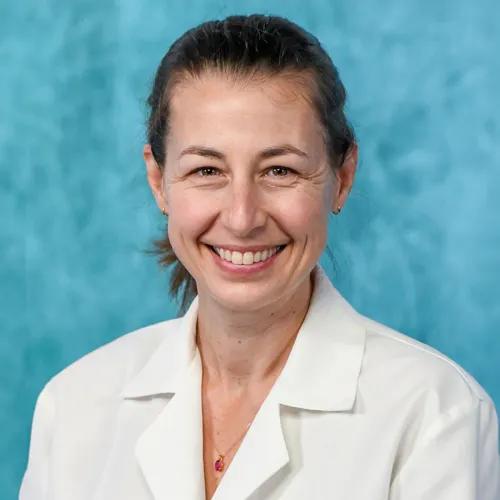
Lauren Mamer, MD, PhD
Clinical Assistant Professor
Featured News & Stories

Into the Current: Dr. Nate Hunt Brings Specialized Water Rescue Expertise Back to Michigan Medicine

Emergency room intervention pairs smartphone, telehealth counseling to reduce risky firearm behavior

Meet Our New Emergency Medicine Fellows and Faculty

E-Bikes are everywhere, but most parents say they don’t know enough about them
From walk-in clinic to national leader: How Michigan Medicine’s Pediatric Emergency Division was built