
Kelly Malcom
Lead Research Communicator
Malcom is a lead research communicator for Michigan Medicine and research communications strategist for the U-M Medical School, with more than 20 years of experience in strategic communications, marketing, and health and science writing. She covers the basic science departments, pulmonary and critical care medicine, infectious disease, pathology and anesthesiology. Contact: [email protected]


Health Lab
Study examines lactation in critically ill patients
University of Michigan research reveals that simple awareness from the hospital care team can help protect a breastfeeding relationship for patients in the ICU and their newborn baby.

Health Lab
Battle of the sex chromosomes
A study from University of Michigan researchers has uncovered the mechanism behind the arms race for mouse X and Y bearing sperm to fertilize an egg.

Health Lab
This season’s flu and COVID shots helped prevent serious illness
So far, this season's flu and COVID vaccines appear to have been effective at preventing serious illness, finds a study from U-M experts and others

Health Lab
Histotripsy can help release HER2 from cancer tumor cells
A study demonstrates how histotripsy could stimulate the immune system to destroy a cancer through the release of tumor antigens.

Great Minds, Greater Discoveries Stories
Research Scout Scholar: Joanna Mattis, MD, PhD
Meet Dr. Joanna Mattis, a Great Minds Research Scouts scholar at the University of Michigan Medical School.
Health Lab
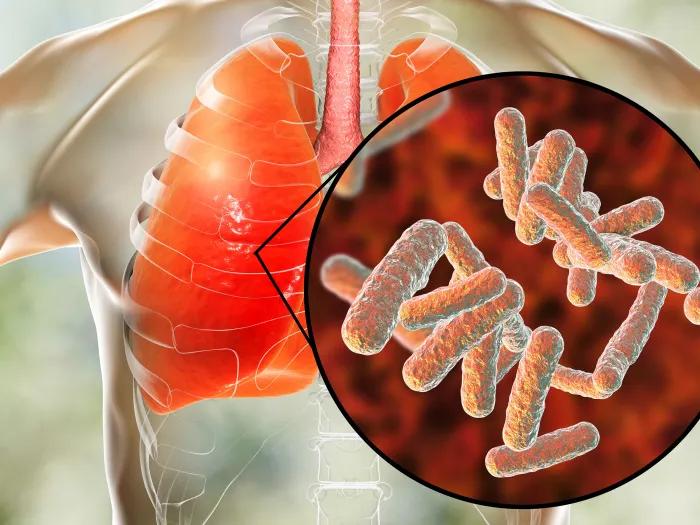
Scientists track pneumonia-causing bacteria as they infect the blood stream
Using an innovative barcoding-style system, a team labels bacteria with short snippets of DNA in mouse models and uses computer analysis to track the movement of K. pneumoniae throughout the body.

Health Lab
Use of greener anesthesia protects patients and the environment
A study performed at Michigan Medicine reveals that the use of less polluting inhaled anesthetic agents reduced harmful emissions by 50% in one year without impacting patient safety or outcomes.
Health Lab
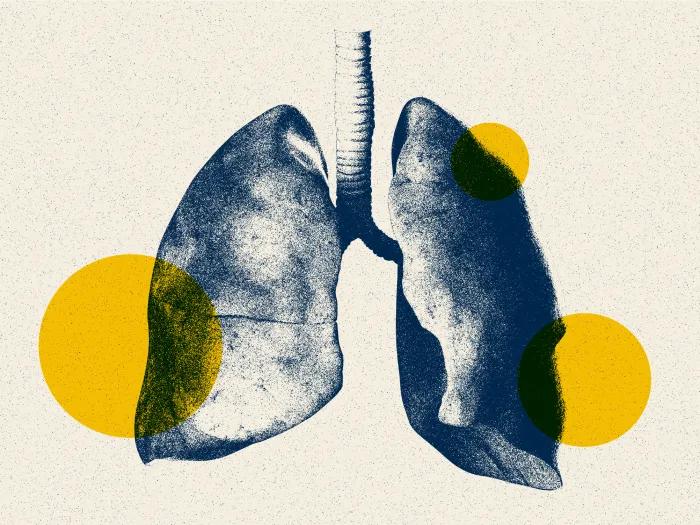
A treatment-resistant, severe type of asthma successfully modeled in mice
A team of researchers are trying to address a lack of knowledge around neutrophilic asthma and have developed one of the first mouse models for the condition.
Health Lab
Adults don’t trust health care to use AI responsibly and without harm
Research finds that adults surveyed had low trust in their health care system to use artificial intelligence responsibly and others had low trust in their health care systems to make sure an AI tool would not harm them.
Health Lab
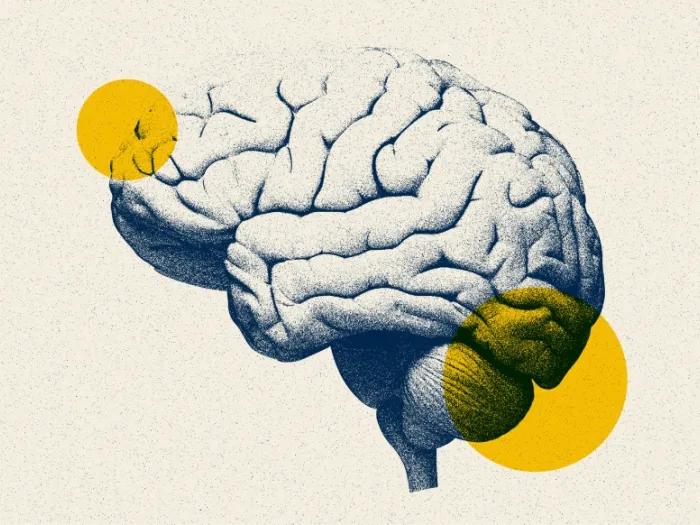
Gene therapy for rare epilepsy shows promise in mice
Dravet syndrome and other developmental epileptic encephalopathies are rare but devastating conditions. Research from Michigan Medicine takes aim at variant in SCN1B, which causes an even more severe form of DEE.

Health Lab
Using data to drive sepsis care
Michigan Medicine expert, Hallie Prescott, M.D., discusses successful statewide efforts to improve sepsis treatment–and setting the bar for change at the national level

Health Lab
Wildfires: How to protect your lung health in poor air quality
With raging wildfires affecting air quality, experts say protecting your lung health is key.
Health Lab
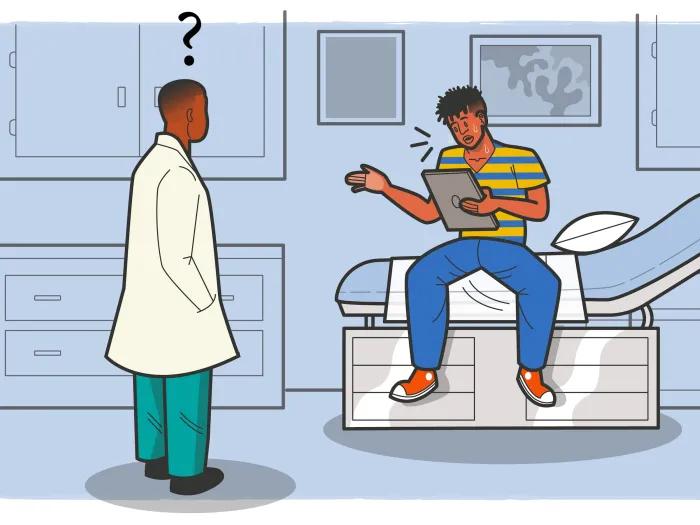
People find medical test results hard to understand, increasing overall worry
In a published research letter in JAMA, researchers tested whether people could understand standard pathology reports and whether a patient-centered report might improve understanding.

Health Lab
New tools that leverage NIH’s ‘All of Us’ dataset could improve anesthesia and surgical care
In a report in JAMA Surgery, researchers propose two novel tools that leverage the All of Us dataset to look at acute health events such as surgery.

Health Lab
People want to know if AI is used in their health care
A study published in JAMA Network Open finds most people want to be notified if AI is used in their health care.
