Pediatrics Advanced Training Programs

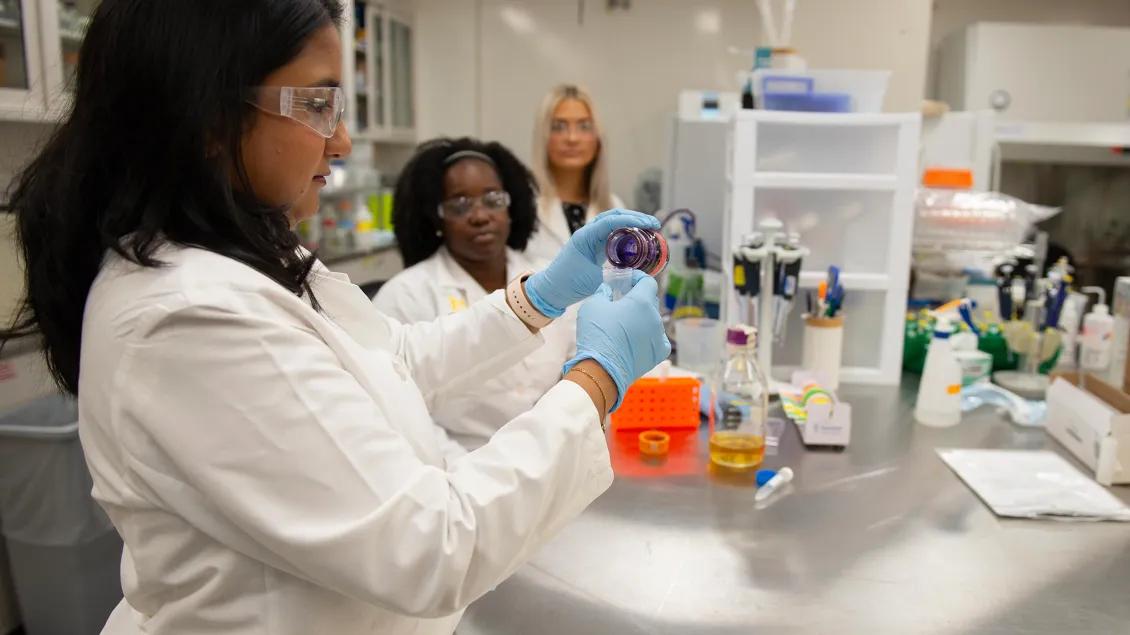
woman holding test tube with other lab helpers

Shaping Future Pediatric Leaders

Explore advanced, multidisciplinary training programs in pediatric research.

The U-M Medical School Department of Pediatrics offers several advanced training opportunities for students and professionals.

We offer two prestigious T32 Training Programs—one in Endocrinology and another in Molecular and Translational Hematology. In addition, our Pediatric Psychology Division offers an Integrated Behavioral Health & Pediatrics Internship as well as an Advanced Practicum Program for graduate students in psychology.

Our Developmental-Behavioral Pediatrics Division also offers a comprehensive, long-term training program designed for primary care providers interested in deepening their expertise and expanding their knowledge in the field.

Training Programs
Developmental Behavioral Long-Term Training Program

Building skills through mentorship and strengthening collaboration for better child and family outcomes.

Pediatric Psychology Internship

Training interns with core experiences in primary care and additional rotations in inpatient and specialty clinics.

Pediatric Endocrinology T-32 Training Program

Offering tailored, mentored research training for MD and PhD trainees, with integrated clinical training for physician-scientists.

Pediatrics Psychology Graduate Student Advanced Practicum

Providing clinical training in assessment, consultation and intervention for youth with medical or developmental disorders.

T-32 Boxer Training Program in Molecular & Translational Hematology

Advancing molecular understanding of hematologic diseases to drive novel therapies and improve outcomes for patients with both benign and malignant conditions.

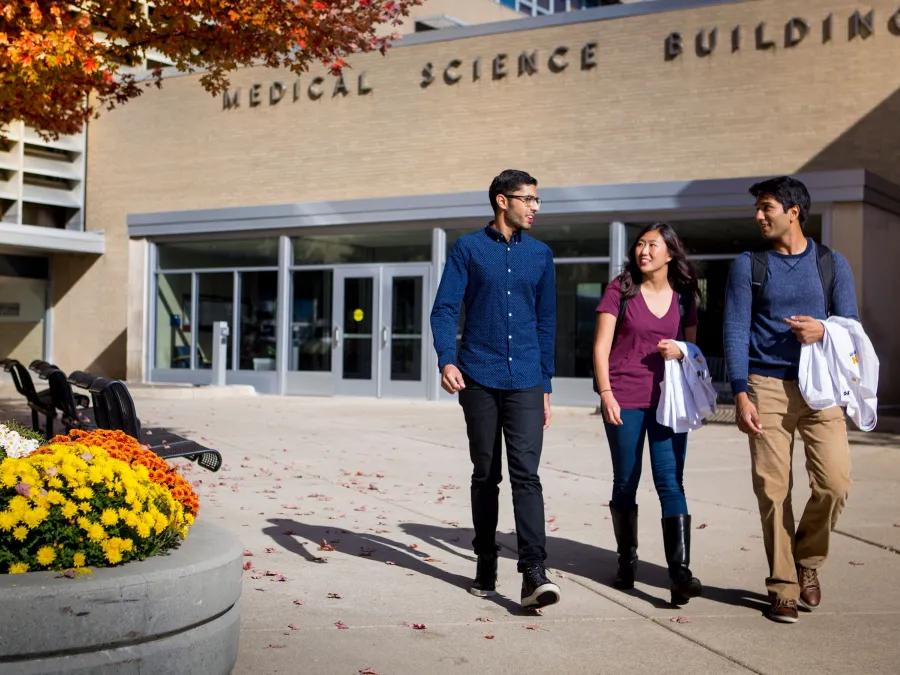
Three students walking across campus together

Our Community

Feel at home in Michigan. Explore what it’s like to live, learn and grow in Ann Arbor among a diverse and supportive network of leaders in pediatrics.

Meet our community

Featured News & Stories

See all news
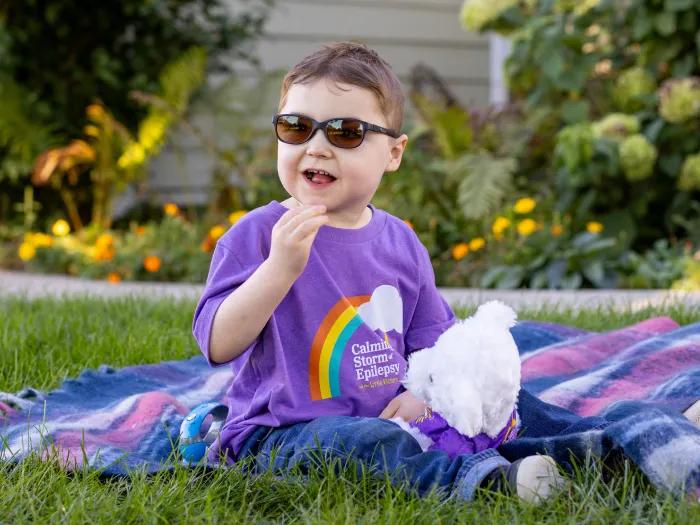
Young boy in purple t-shirt sits smiling in the grass on a sunny day.
Health Lab

From 20 seizures a day to more time for play: How personalized epilepsy care helped young patient
Advanced genetic testing and a detailed diagnosis revealed infant’s rare epilepsy, leading to a non-conventional therapy.
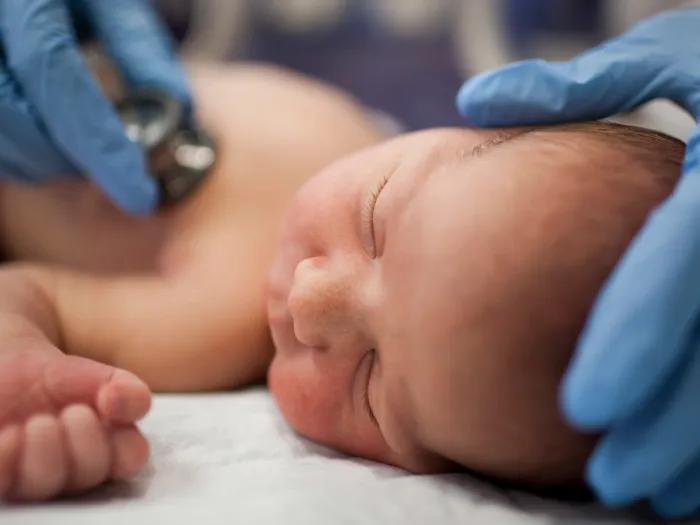
Closeup of newborn baby, whose head is held by a blue medical gloved hand. Blue gloved hand also holds a stethoscope to baby's chest.
Health Lab

More babies with hypoplastic left heart syndrome surviving critical period between surgeries
Collaborative effort helped sustain improvements in survival for babies born with hypoplastic left heart syndrome (HLHS), a serious congenital heart condition that requires multiple surgeries.
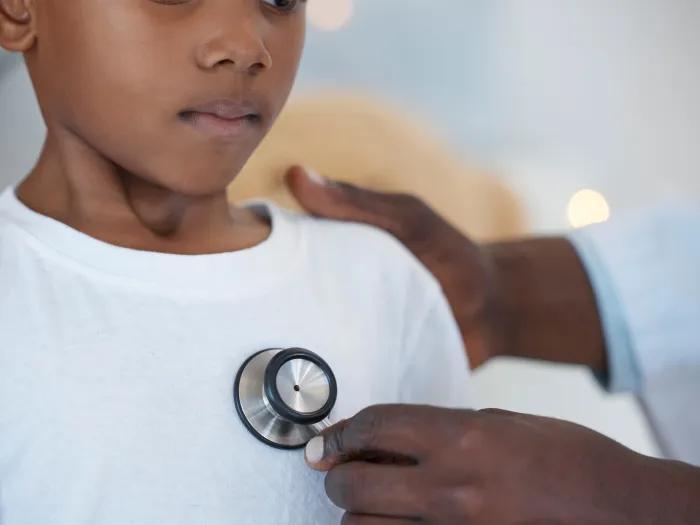
Boy in white t-shirt, just chin showing, with hands holding a stethoscope on his chest.
Health Lab

Distance, insurance, social factors may hinder access to lifesaving heart monitoring for children
New research suggests that social, economic and geographic factors may influence whether patients who undergo the Fontan surgery for complex congenital heart disease receive the recommended lifelong cardiac monitoring.
2026 Faculty and Staff Awards
Medical School News

Nine from Medical School honored as part of annual Faculty and Staff Awards
Michigan Medicine recently announced its 2026 Faculty and Staff Awards. This year’s recipients include nine winners with Medical School appointments, including seven faculty and two staff members. This year’s Faculty and Staff Awards ceremony will be Dec. 3 at the Jack Roth Stadium Club in Michigan Stadium
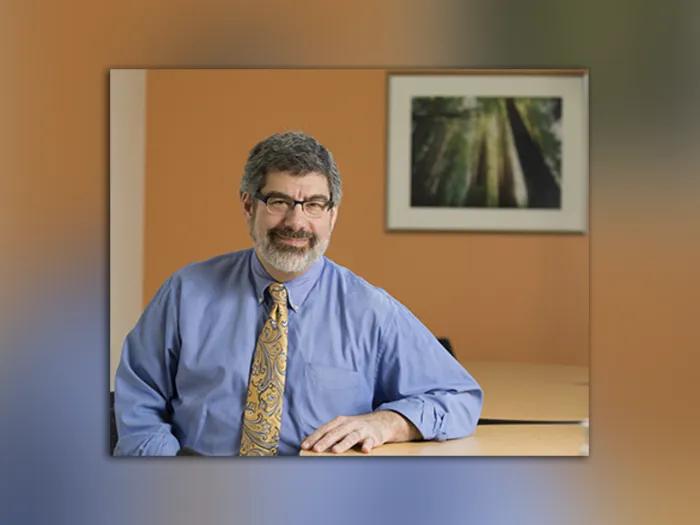
Portrait of Dr. Rosen smiling and seated at a table.
Philanthropy News

Continuing the legacy of a doctor’s doctor
As he faced a serious cancer diagnosis, David Rosen, M.D, made a gift to the U-M Division of Adolescent Medicine that will continue his legacy for decades to come.
Health Lab

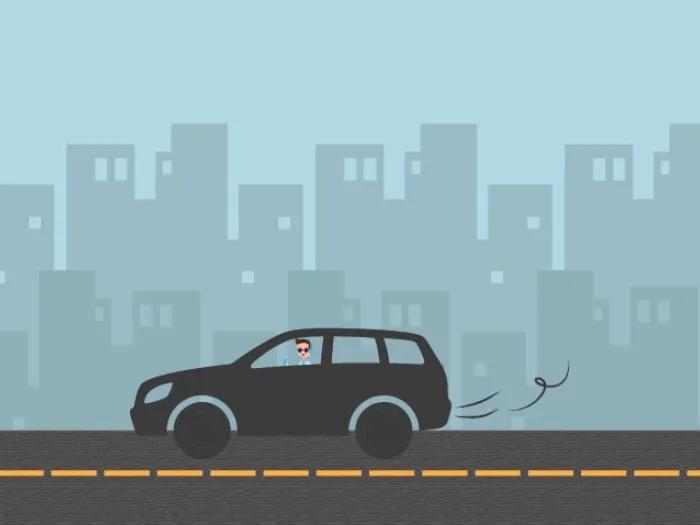
4 ways to teach your teen safe driving habits

New motorists cause a disproportionate number of distracted driving accidents. That’s why laying the groundwork for safe habits must begin before your teen gets the keys.