Pediatrics Research
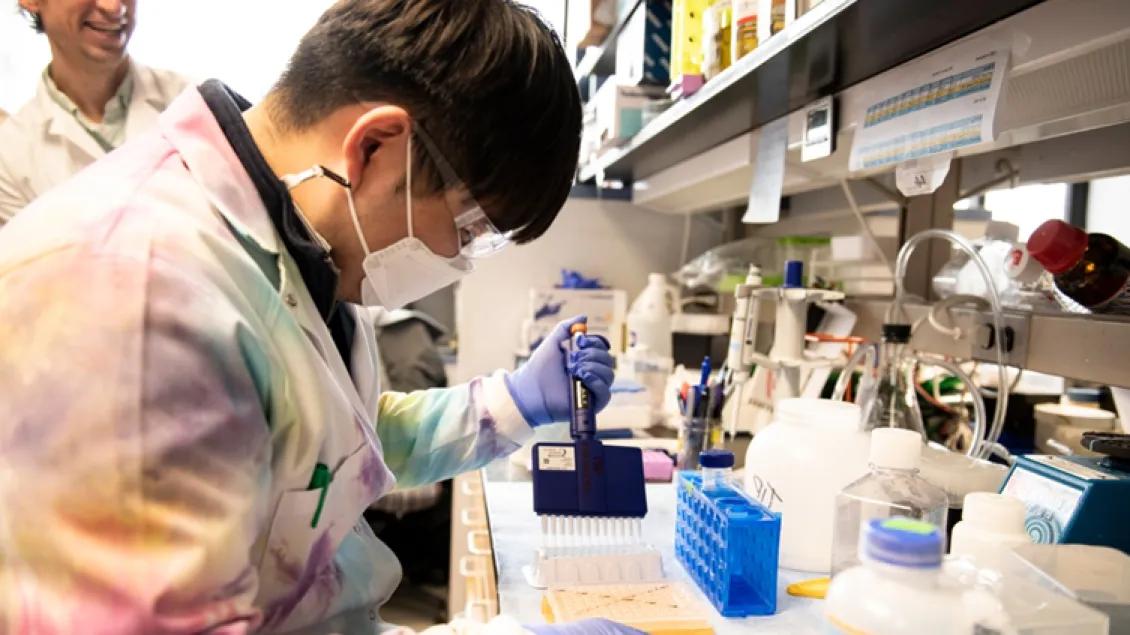
Research-Driven Discoveries
Transforming child health through groundbreaking research.
Advancing Pediatric Research
The U-M Medical School Department of Pediatrics stands among the top 15 departments nationally for NIH funding, with a robust research portfolio exceeding $40 million in active awards. Our faculty, trainees, and students are united by a mission to advance scientific understanding of the prevention, diagnosis, and treatment of childhood diseases—and to translate these discoveries into improved health care for children everywhere.
A Thriving Research Environment
Faculty, residents and fellows benefit from a wealth of mentorship and collaboration opportunities—both within our department and across the Medical School and wider University of Michigan community.
Faculty in the Department contribute to this mission by performing research along the entire spectrum of clinical and translational research – from basic scientific discovery in the laboratory, community and clinic to the translation of these discoveries to patients and to practice. Faculty have access to a wide range of mentors and collaborators within the department, medical school and university to pursue interests in basic science, translational, clinical and health services research as well as education and quality improvement.
We foster a dynamic research culture that spans the full spectrum of pediatric inquiry, including:
- Basic Science
- Translational Medicine
- Clinical Research
- Health Services Research
- Medical Education
- Quality Improvement Initiatives
• Core research facilities for both basic and clinical research
• Statistical and data collection support
• Intramural funding opportunities
• Faculty development launch committees
• Grant review programs
• Clinical research design and statistical analysis
• Educational leadership
• K-award training
• R-award boot camps
Our Centers & Programs
Woodson Children's Clinical Research Lab
The Charles Woodson Children's Clinical Research (CWCCR) Lab, managed by the U-M Medical School Department of Pediatrics, provides children's health research investigators with core facilities for the preparation and short-term storage of biological specimens.
The CWCCR Lab is open to the Department of Pediatrics research faculty and staff involved in children's health research. Faculty and staff can contact the lab coordinating manager for questions about the lab. For internal lab resources, visit the Pediatrics Intranet.
Publications & Grants
Discover more about the Department of Pediatrics grants and publications.
Featured News & Stories

From 20 seizures a day to more time for play: How personalized epilepsy care helped young patient
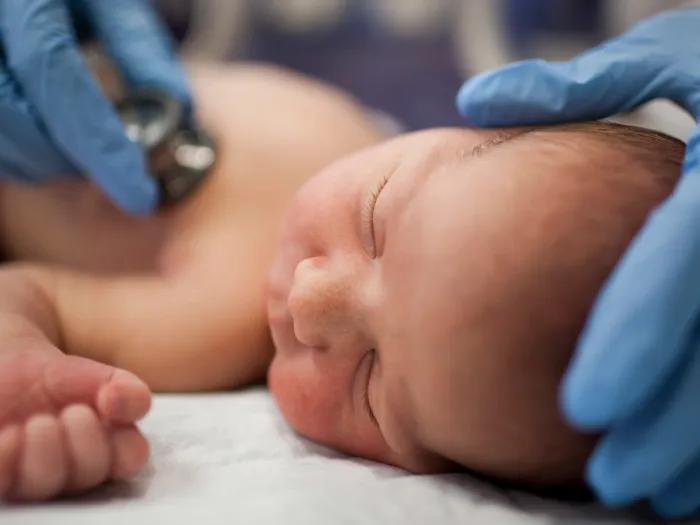
More babies with hypoplastic left heart syndrome surviving critical period between surgeries
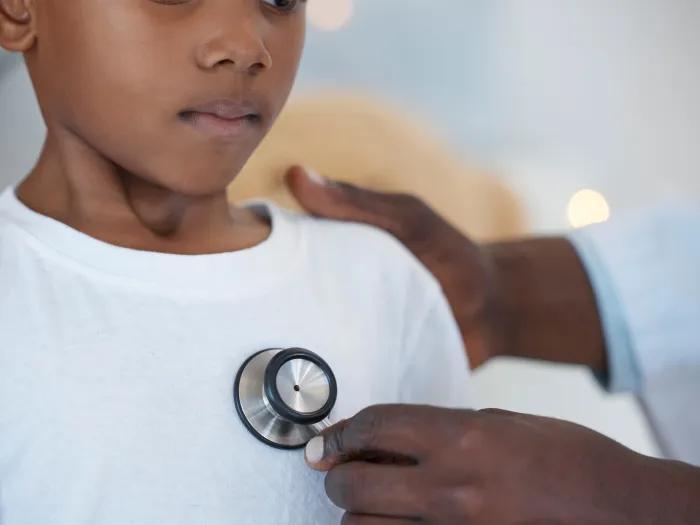
Distance, insurance, social factors may hinder access to lifesaving heart monitoring for children

Nine from Medical School honored as part of annual Faculty and Staff Awards

Continuing the legacy of a doctor’s doctor