The Importance of Being Flexible
Medical director of Clinical Research Specimen Processing, Paul Swiecicki, reflects on his unexpected journey to hematology and oncology.
Author |
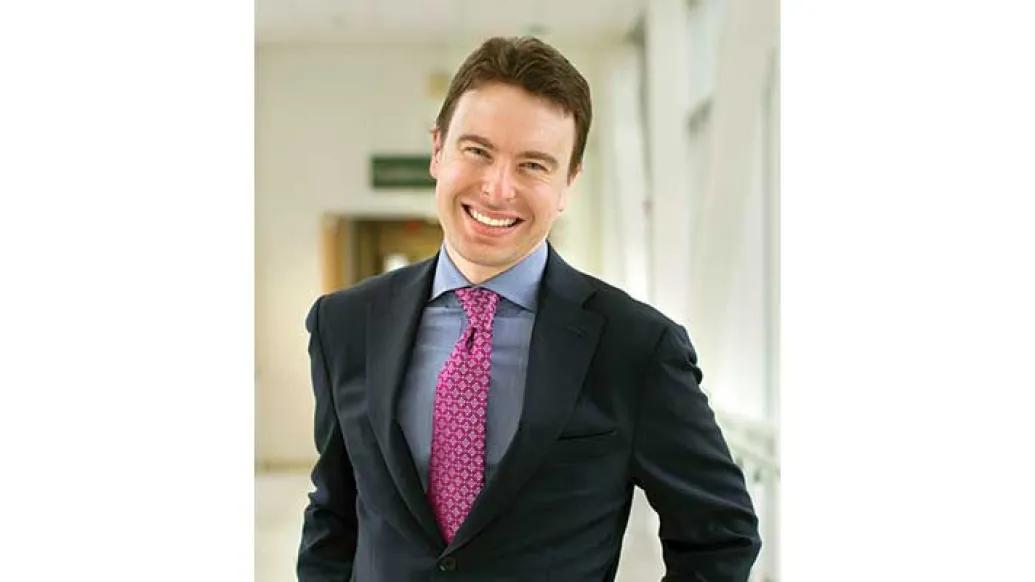
Career paths are often full of unexpected bends and twists—but that’s not necessarily a bad thing. When Paul Swiecicki, M.D., was in medical school, he planned to pursue a career in neurology. Reflecting on that time now, his path didn’t quite play out in the way he expected. “Through one twist and then another, I realized that hematology and oncology was the perfect fit for me, for multiple reasons, including the patient population, unmet need and research interests. I haven’t looked back since,” he says.
For Swiecicki, the twists became the norm rather than the exception. “Medical education and research tend to follow a linear path,” he says. “For example, after medical school we proceed to a residency, then a fellowship, then become a faculty member that specializes in a single disease. Or, if you are involved in research, you are categorized as performing either clinical or lab-based research. We don’t really talk about the ways careers can evolve in an organization like Rogel. I’ve been surrounded by amazing people and given great opportunities that I wouldn’t have seen. You take those opportunities as they come. Being flexible is very important.”
In March 2022, Swiecicki was named medical director of Clinical Research Specimen Processing (CRSP), where he oversaw the lab’s expansion into a larger space with more processing capacity. This past January, he was named inaugural associate medical director for the Oncology Clinical Trials Support Unit (O-CTSU). The O-CTSU serves as the centralized core facility of all cancer-related clinical research trials conducted by investigators throughout Michigan Medicine.
Swiecicki is quick to acknowledge his colleagues and mentors. “Although I’m very proud of where I’m at, many I’ve worked with deserve a great deal of credit. The staff of the O-CTSU and CRSP make clinical research possible daily. Without them, we would not be able to offer options to patients or have participated in groundbreaking trials.
“And I’m very grateful to the medical director of the O-CTSU Scott Schuetze, M.D., Ph.D. He’s been a great colleague and I’m learning a lot from him.”
For Swiecicki, clinical work is critical. Central to everything he does is advancing patient care and the betterment of patients. “Too many patients are suffering with cancer, as are their families,” he says. “So, I believe at the end of the day—be it via discovery of a new cellular pathway, drug delivery system, biomarker or even clinical trial—our work should return to the singular goal of helping ameliorate the burden of cancer. It has been very exciting to see some of our research projects come to fruition and our work make a tangible difference. There are people who were thought to be incurable, and now years later are living normal lives without evidence of cancer. Those are the kinds of stories that really drive us.”
Continue reading Illuminate 2024:
- A Path of Hope for Glioblastoma Treatment
- Histotripsy: Making the Impossible Possible
- Training Tomorrow's Cancer Leaders
- Uncovering Cancer's Roots in Chromatin
- Cracking the Code of RNA
- Collaborative Excellence
Learn more:

Illuminate
Articles showcasing the latest in cancer research underway at the Rogel Cancer Center
In This Story
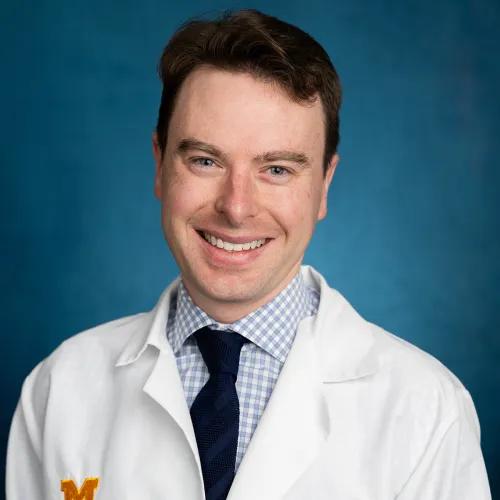
Paul Swiecicki, MD
Clinical Associate Professor
Featured News & Stories
Human Rabies Exposures Growing Across the Country
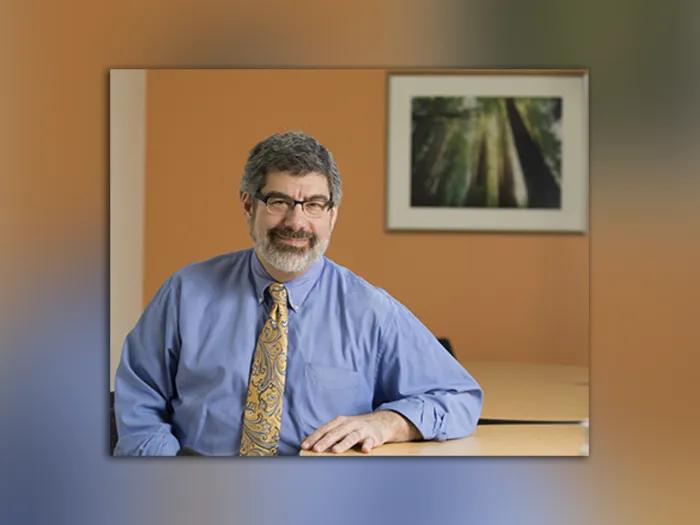
Continuing the legacy of a doctor’s doctor
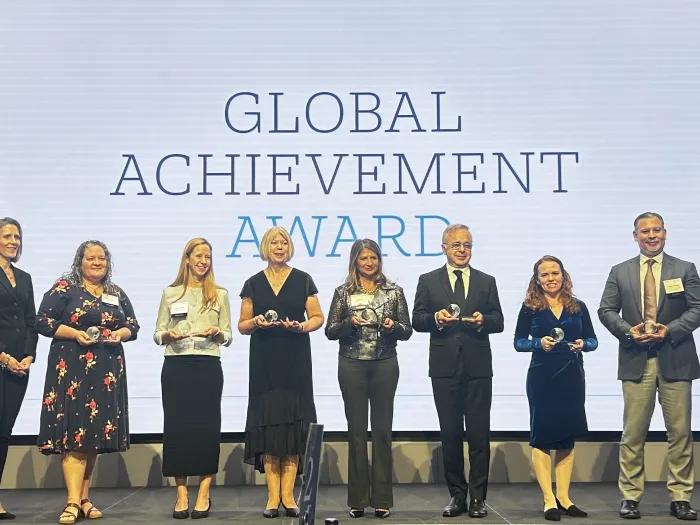
Dr. Elafros Receives Global Achievement Award
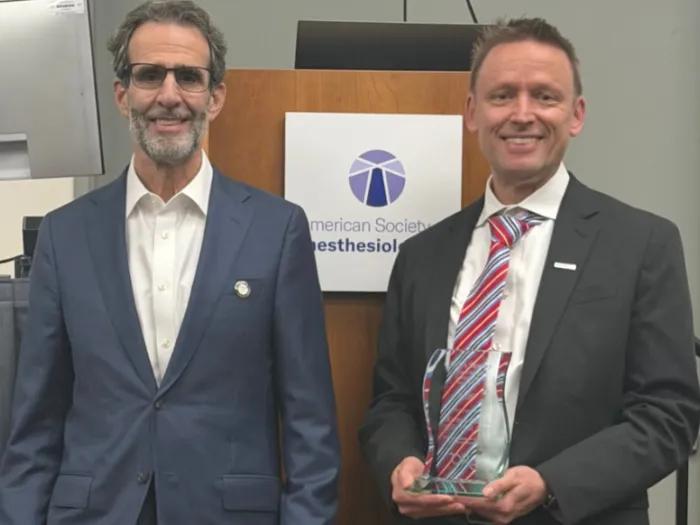
Karsten Bartels, MD, earns Gladys Sessler Outcomes Research Consortium Award

Into the Current: Dr. Nate Hunt Brings Specialized Water Rescue Expertise Back to Michigan Medicine