
Chad Carr Pediatric Brain Tumor Center
The mission of the Chad Carr Pediatric Brain Tumor Center is to improve outcomes in all high risk pediatric brain tumors. The goal is also to expand the clinical and research capacity of the CC-PBTC, building on its solid foundation to become a center of excellence for pediatric brain cancer research. We have broad early phase clinical trial projects that encompass all high-risk pediatric brain tumor populations.
Led by the collaborative efforts of C.S. Mott Children’s Hospital, Rogel Cancer Center and more than 1,500 dedicated donors, the Chad Carr Pediatric Brain Tumor Center (CC-PBTC) was established at Michigan Medicine in 2018 to pool the diverse ideas and knowledge that can solve childhood brain cancers. The center brings together unmatched expertise from across the University of Michigan (U-M) Health departments of pediatrics, radiology, neurosurgery, radiation, oncology, genetics, and pathology and U-M schools of engineering and public health — as well as renowned international collaborators.
Explore CC-PBTC
Giving
Supporting Cures Through the U-M Chad Carr Pediatric Brain Tumor Center Fund
CC-PBTC Impact Report
Paving the Way for Cures
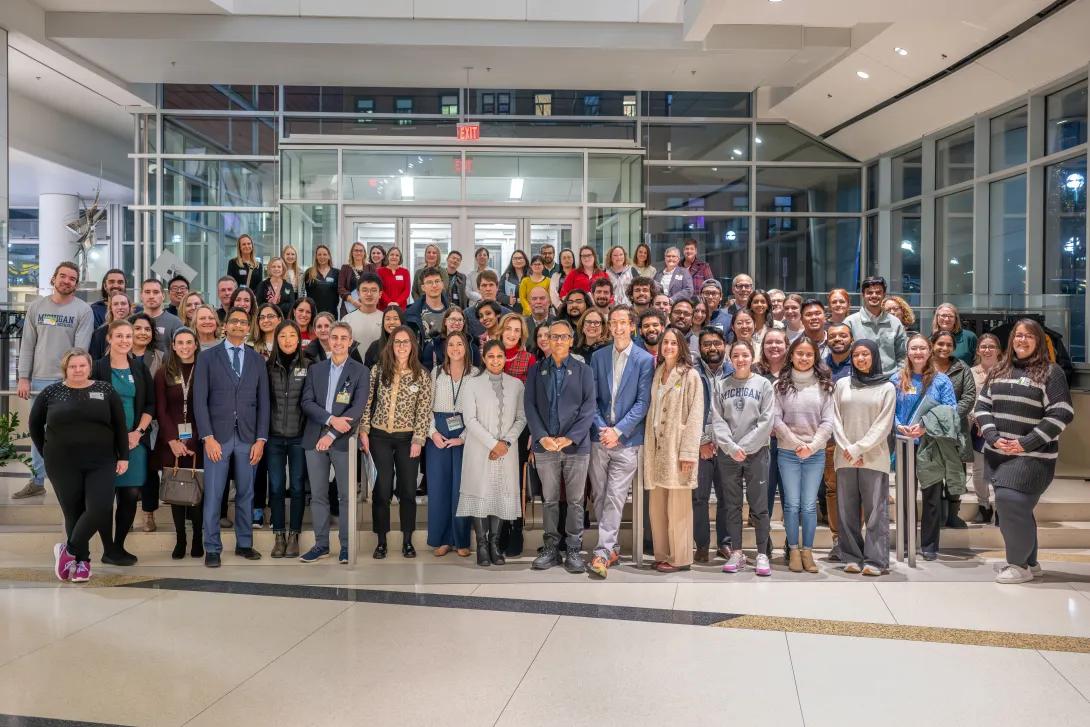
Chad Carr Pediatric Brain Tumor Center team.
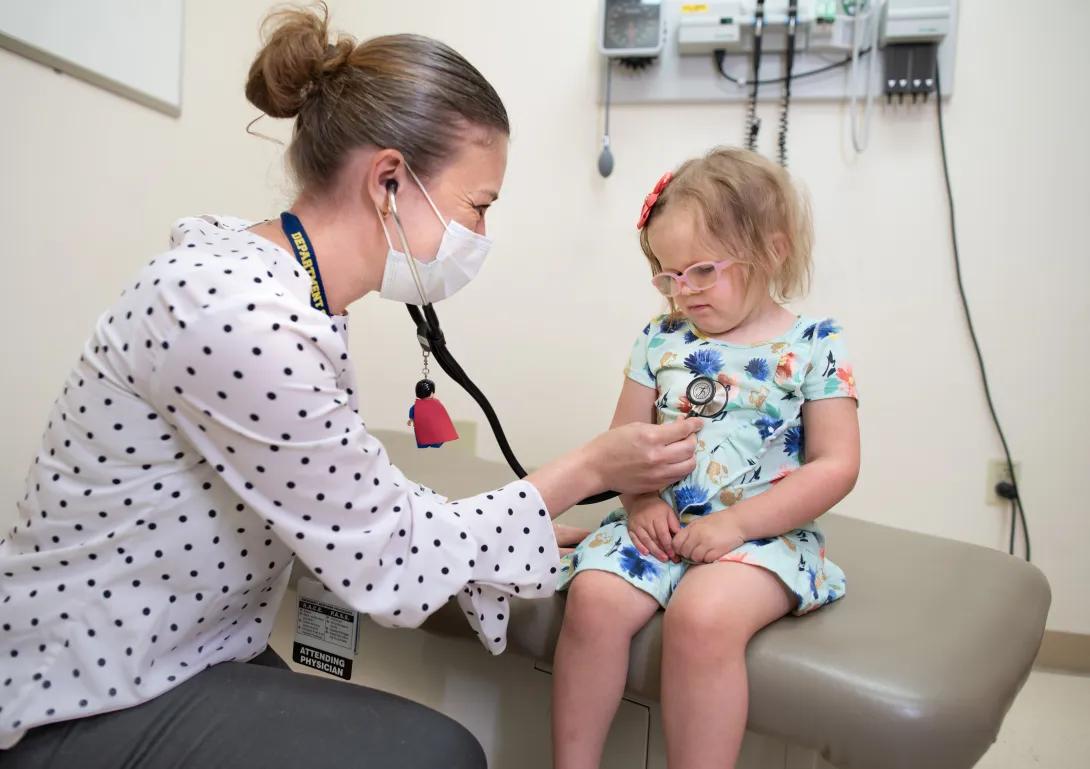
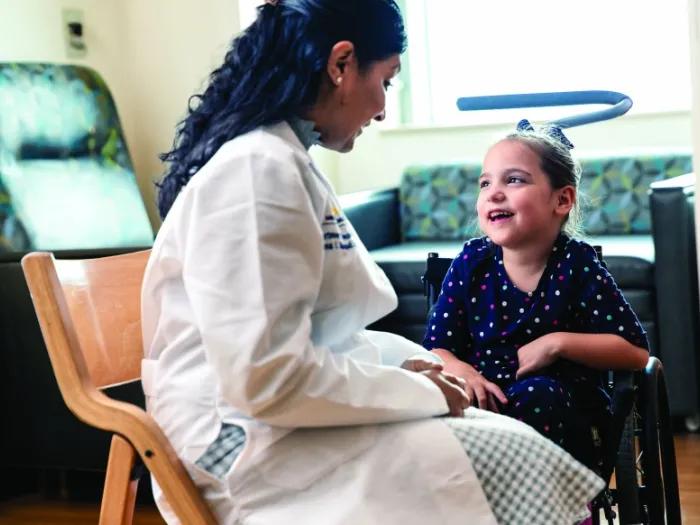
Dr. Andrea Franson and a young patient.
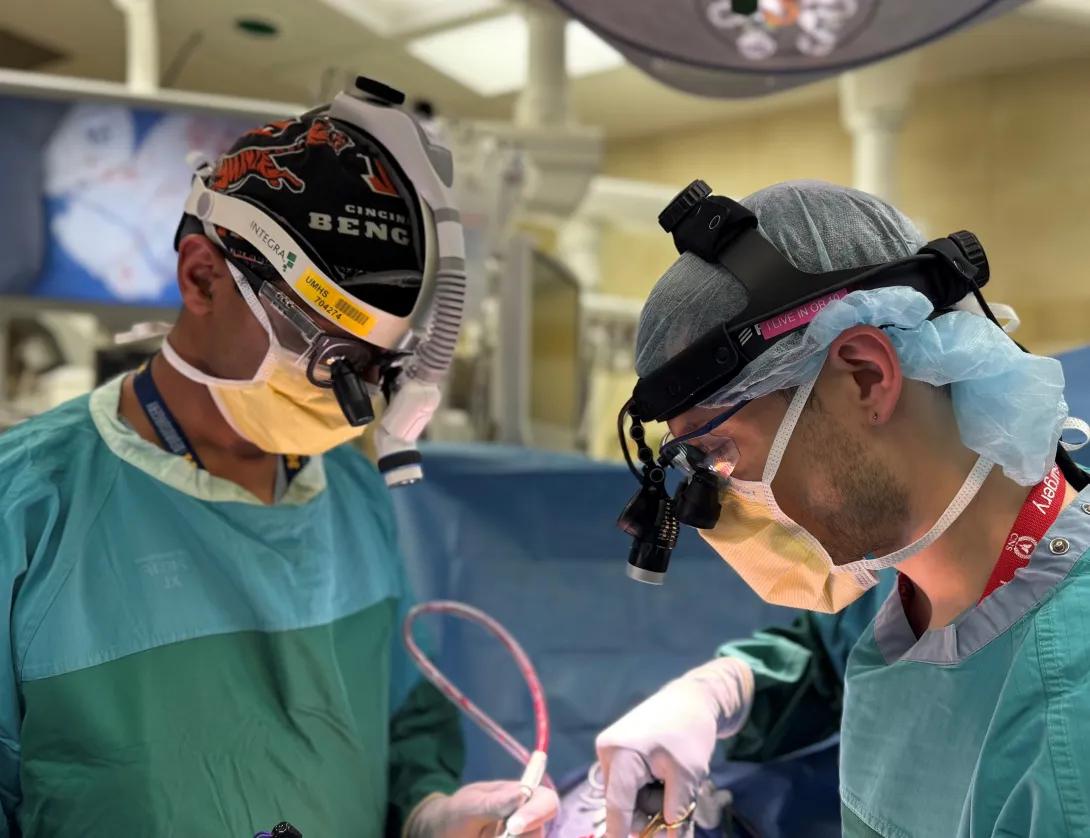
Pediatric Neurosurgeons
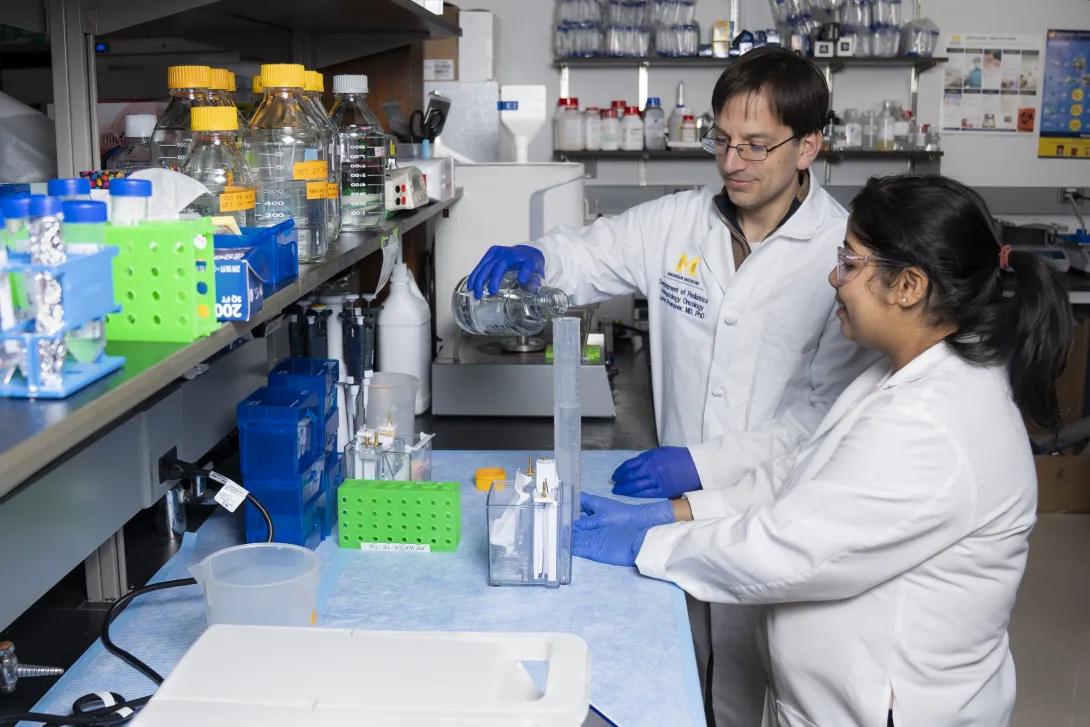
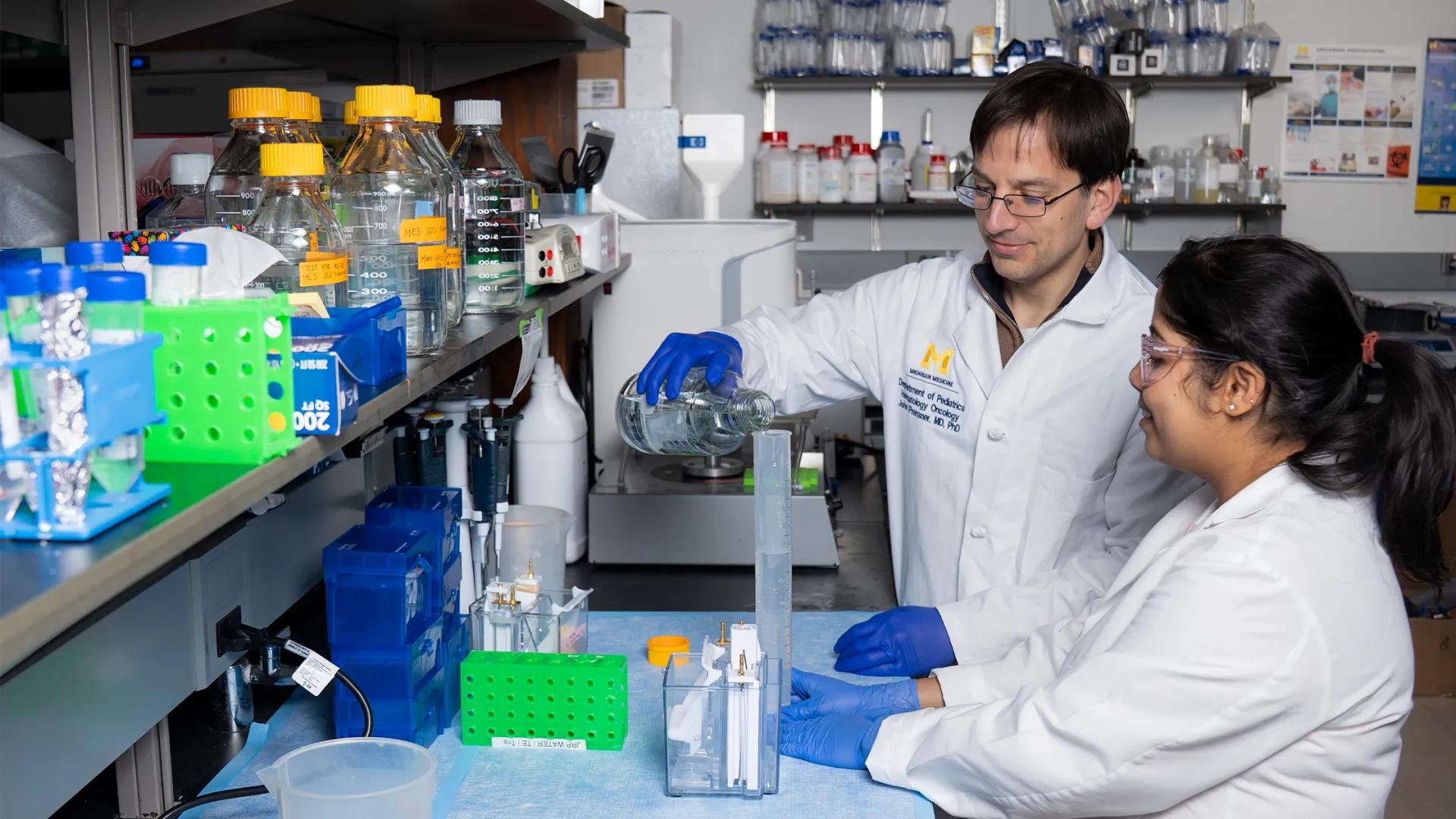
Dr. John Prensner and a colleague in the research lab.
Chad Carr.
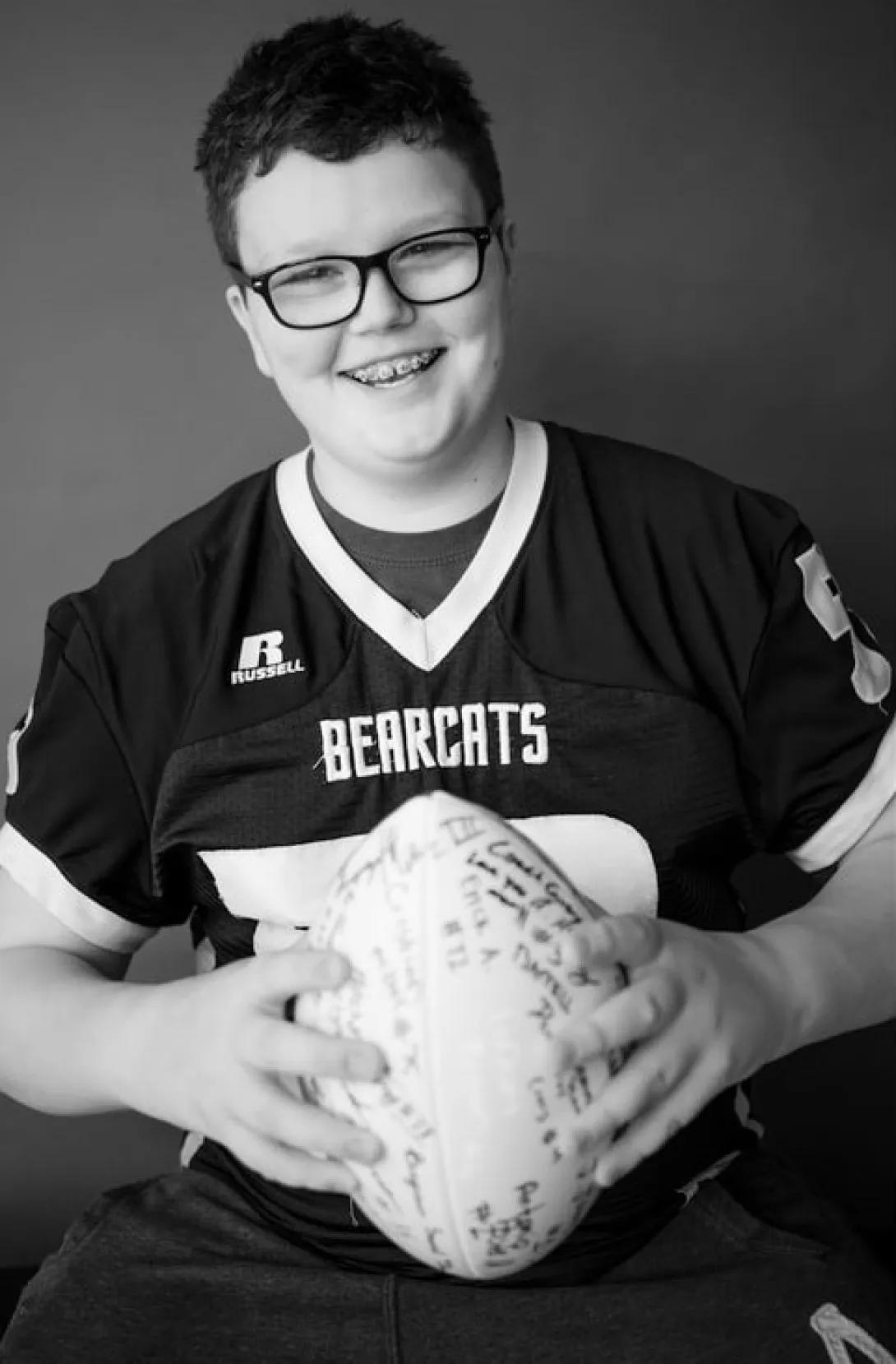
Mike Miller. In honor of Mike, the family established the Michael Miller Memorial Foundation to celebrate his life, keep his memory alive, and raise money to support families facing childhood cancers, especially DIPG.
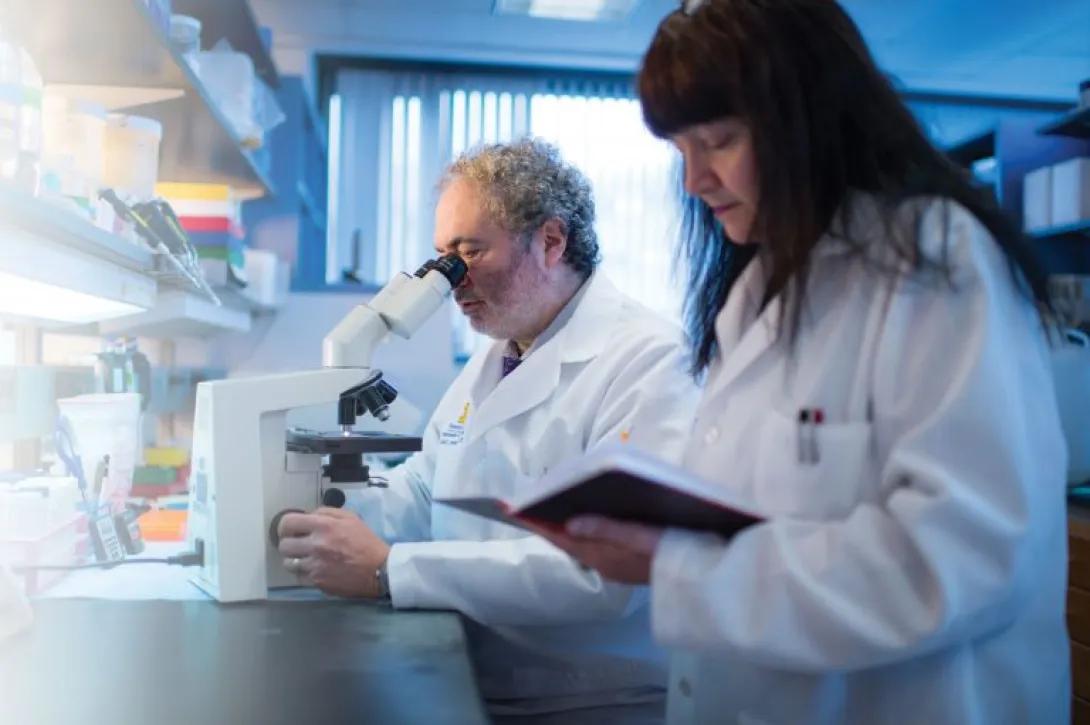
Drs. Castro and Lowenstein in the research lab.
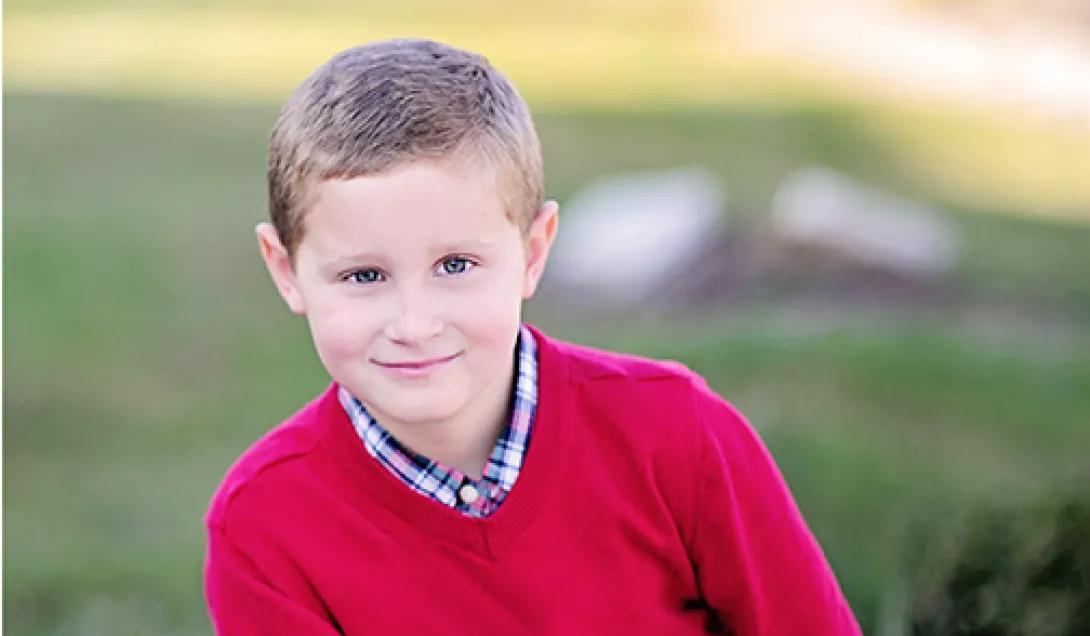
Jack Fineske. Catching Up With Jack, founded by the Fineske Family to raise funds for innovative pediatric brain tumor research and provide financial support to families navigating a brain tumor diagnosis.
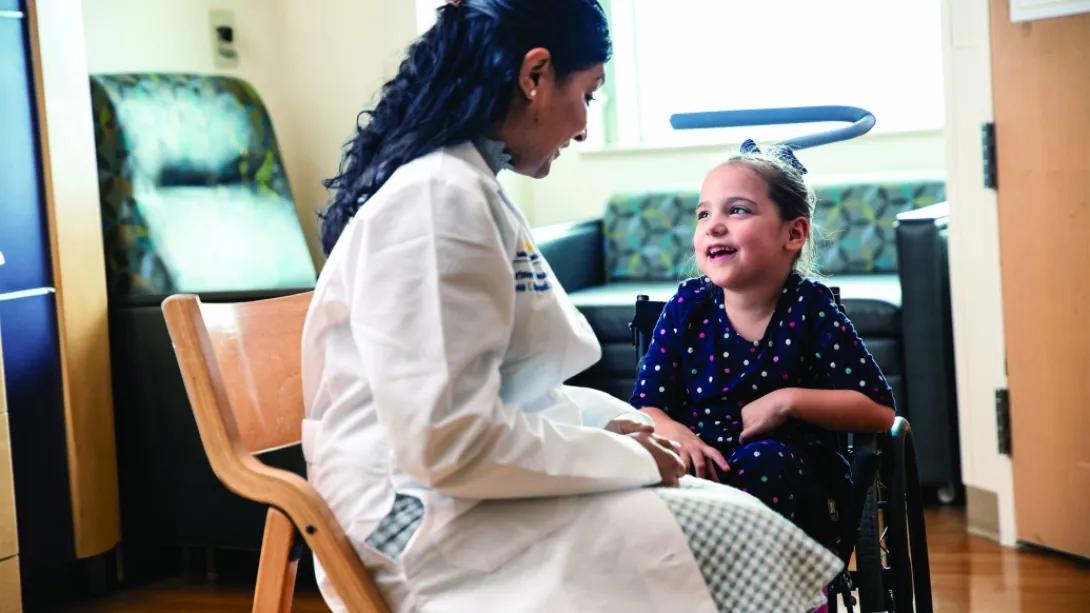
Dr. Neena Marupudi and a patient.
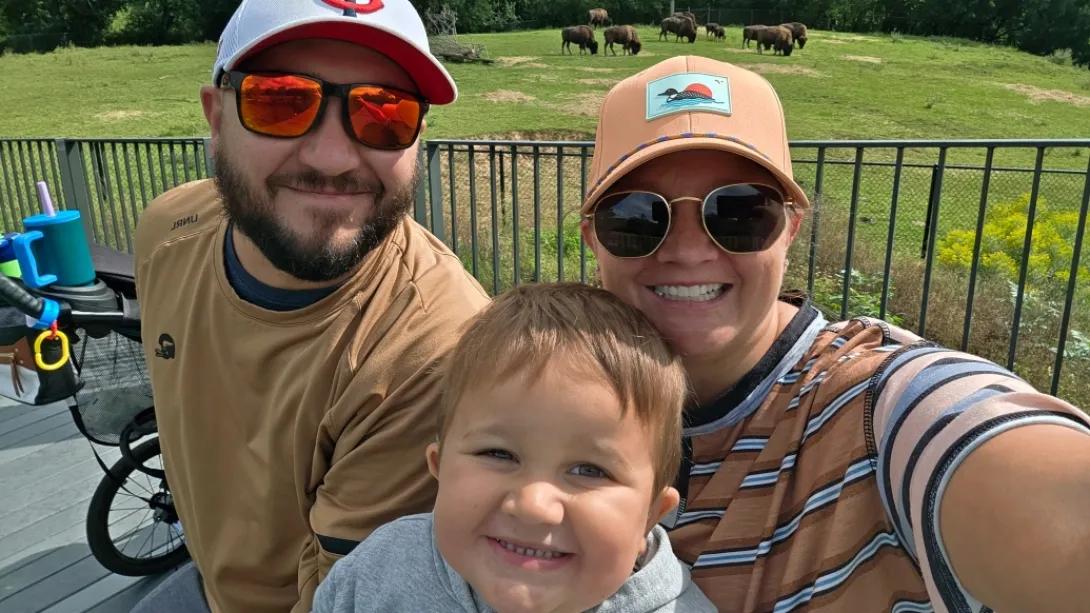
Elliott, a young child with ATRT pictured with his mother and father at the Zoo.
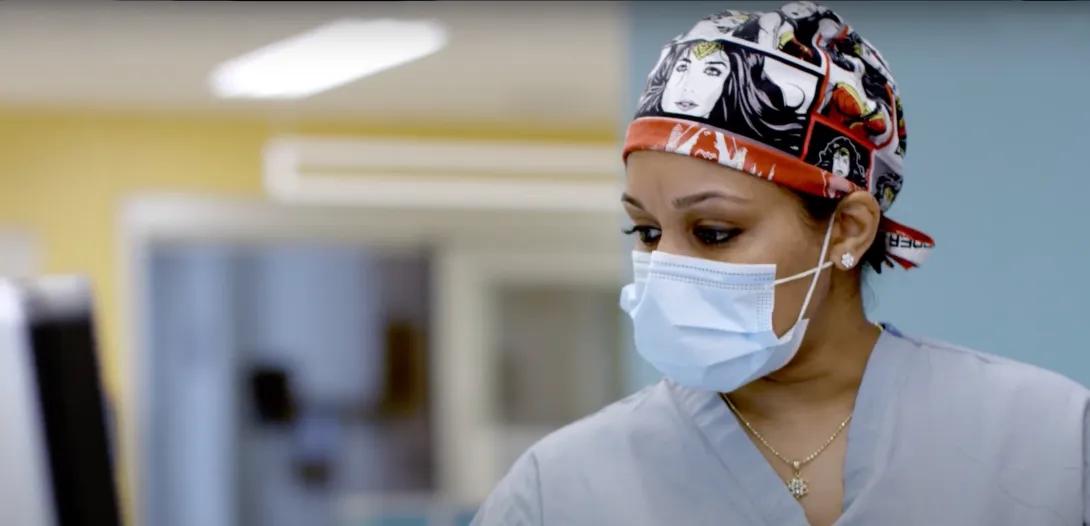
Dr. Neena Marupudi.
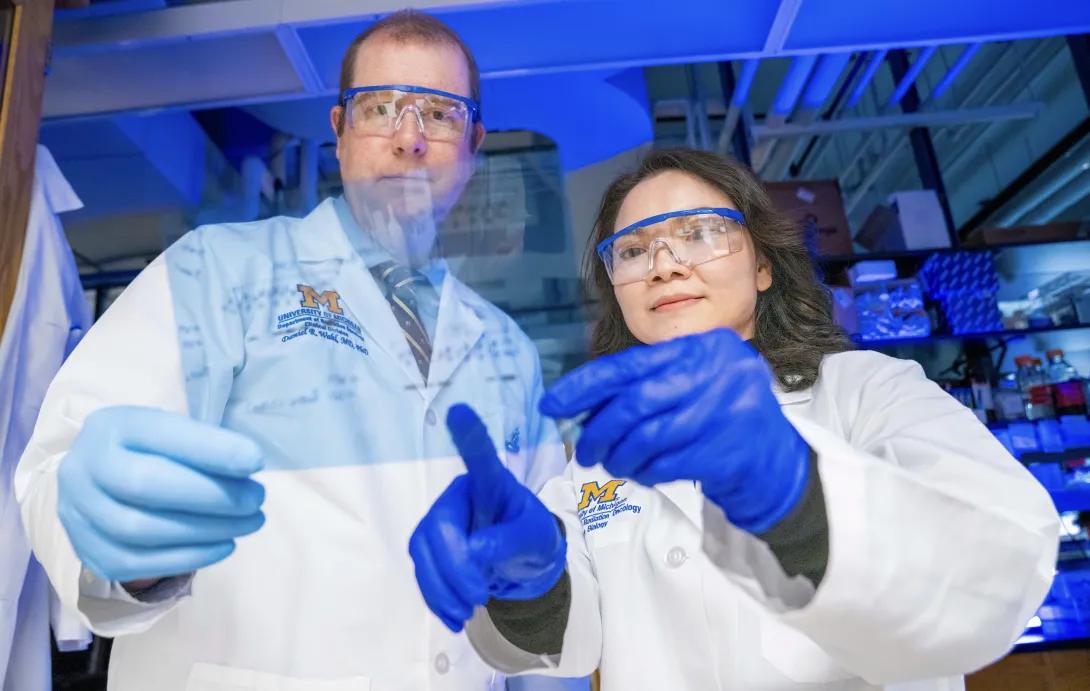
Principal Investigator Dr. Dan Wahl and Weihua Zhou, PhD collaborating in the research lab.
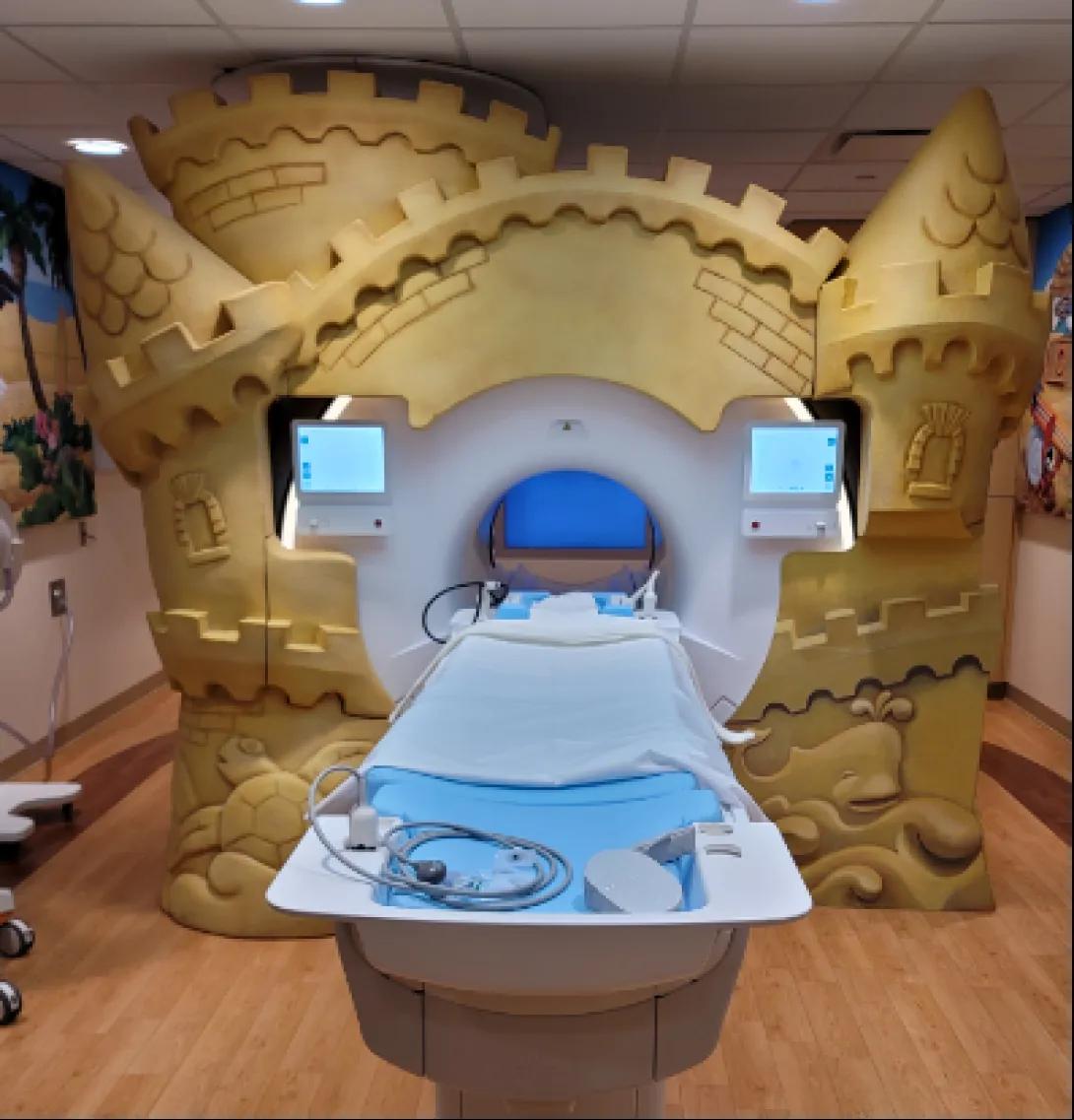
A 3D-printed castle cover for an MRI machine.
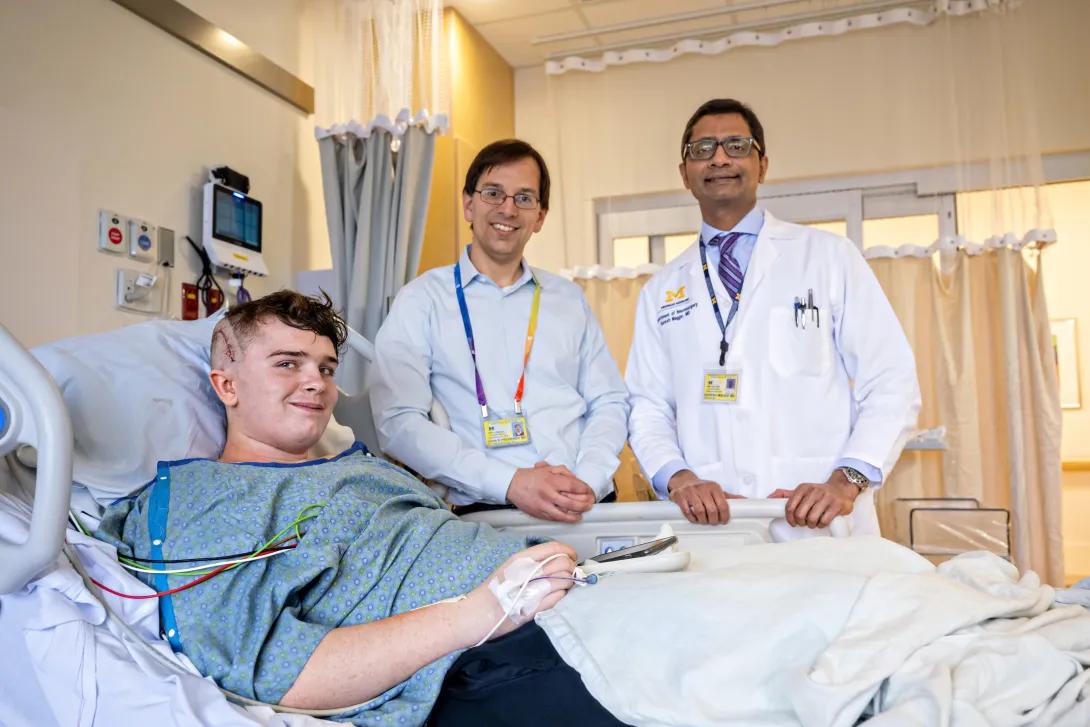
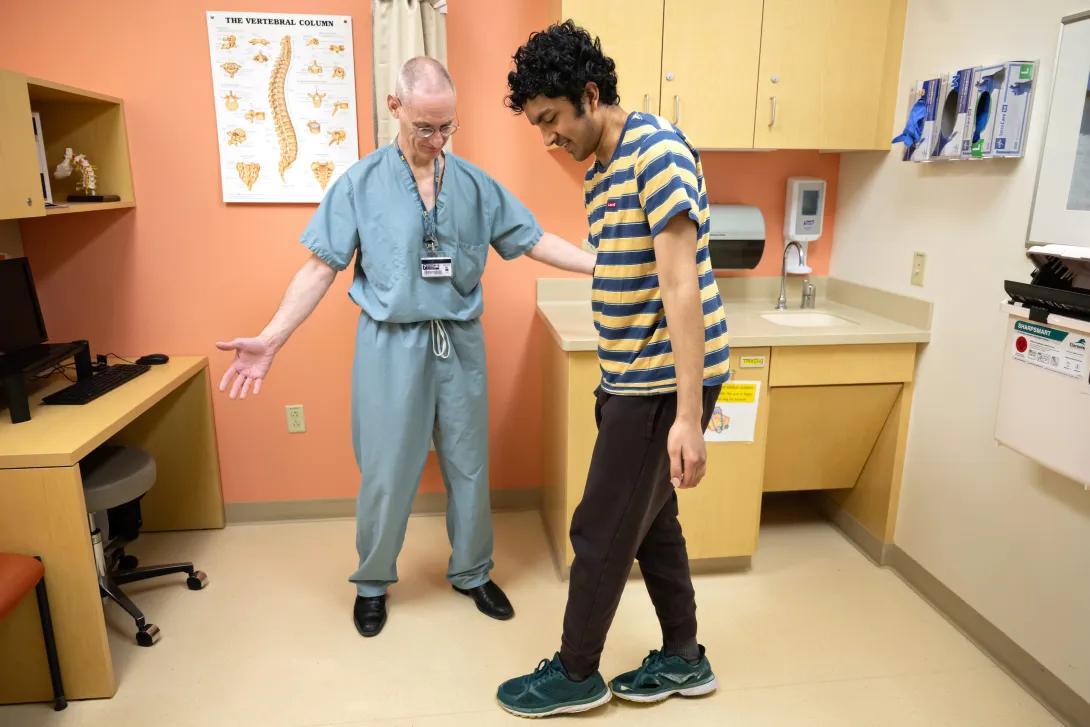
Dr. Hugh Garton and a patient.
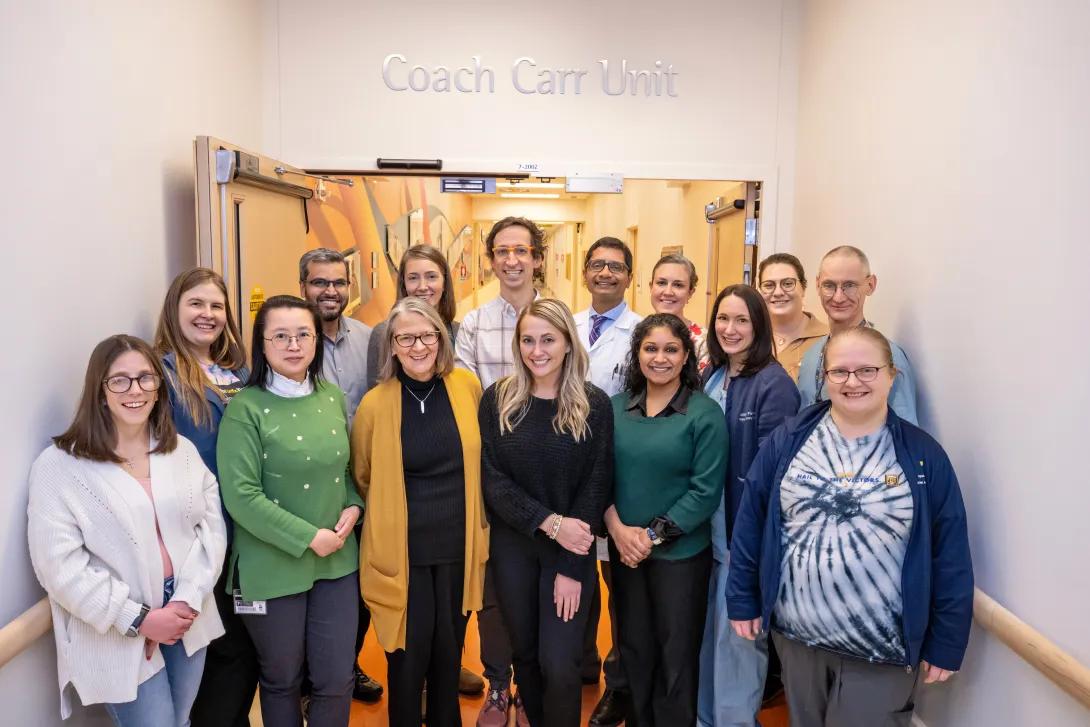
Pediatric Brain Tumor Center team
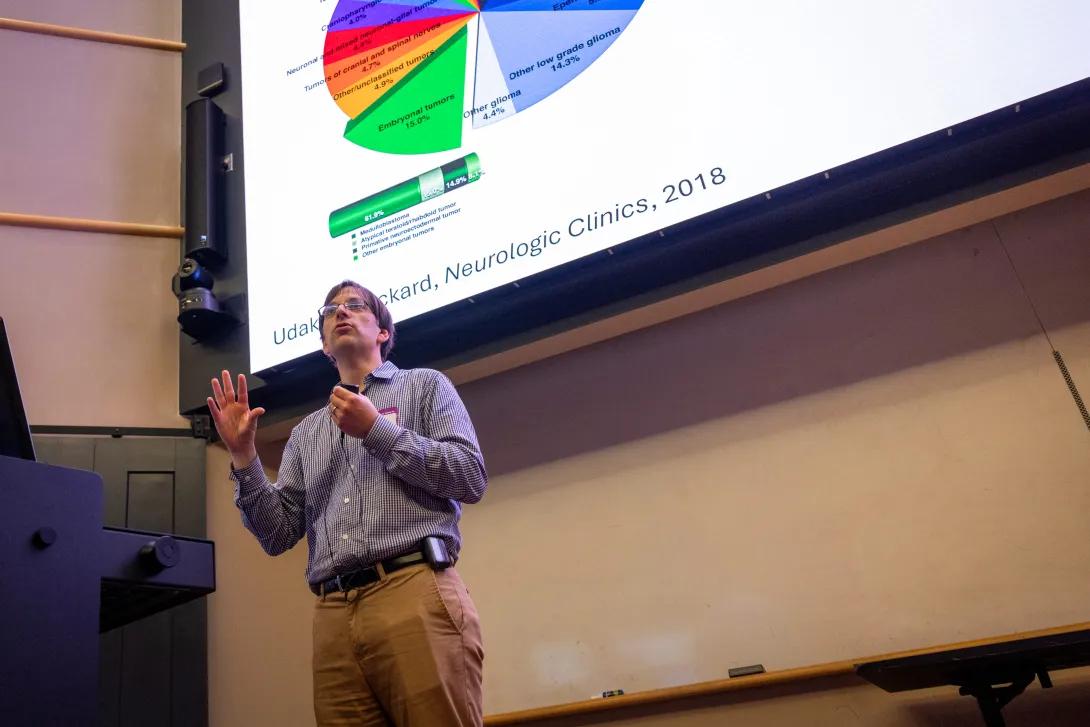
Dr. John Prensner presenting about Atypical Teratoid Rhabdoid Tumors in children.
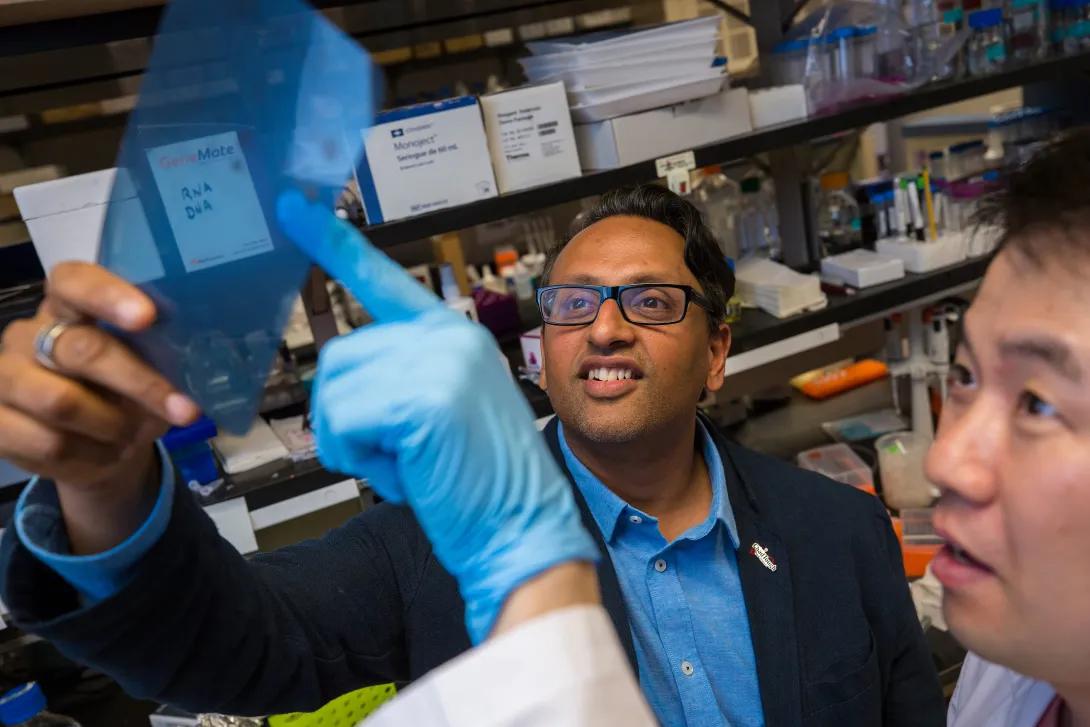
Sriram Vennetti lab research
News
For Families Facing a Deadly Brain Cancer, Scientific Progress Can’t Come Soon Enough

When should parents stop tracking their kids' location?
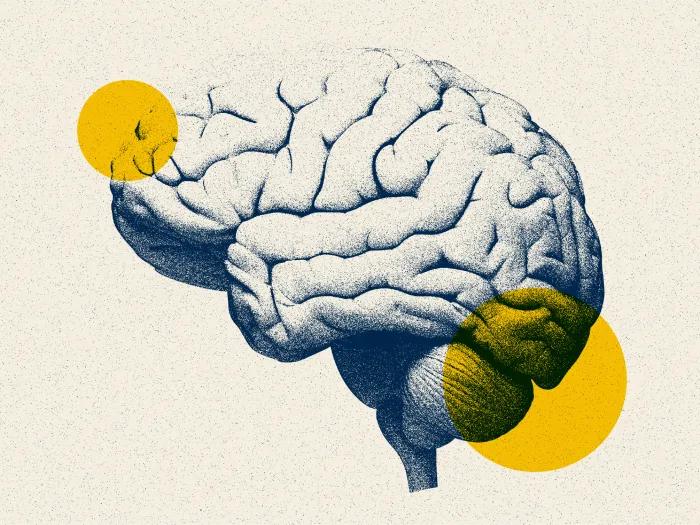
Itaconate identified as a new target for pediatric brain tumors called ependymomas
Brain cancer digital twin predicts treatment outcomes
Defying the Odds Through a Clinical Trial
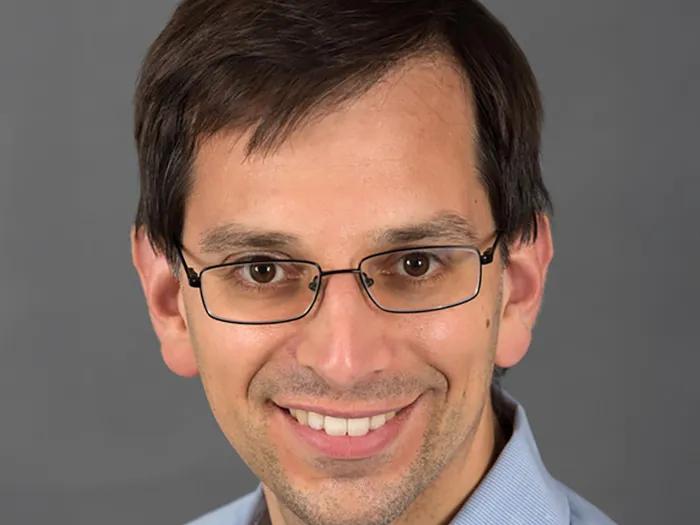
Children's Brain Tumor Network Names Dr. John Prensner as New Scientific Co-Chair
To refer a patient for a clinical trial or to learn more about research, contact [email protected]
