
Sleep Disorders Center
The UM sleep medicine program is one of the oldest, largest, and most well-developed in the U.S.
Explore the Sleep Disorders Center
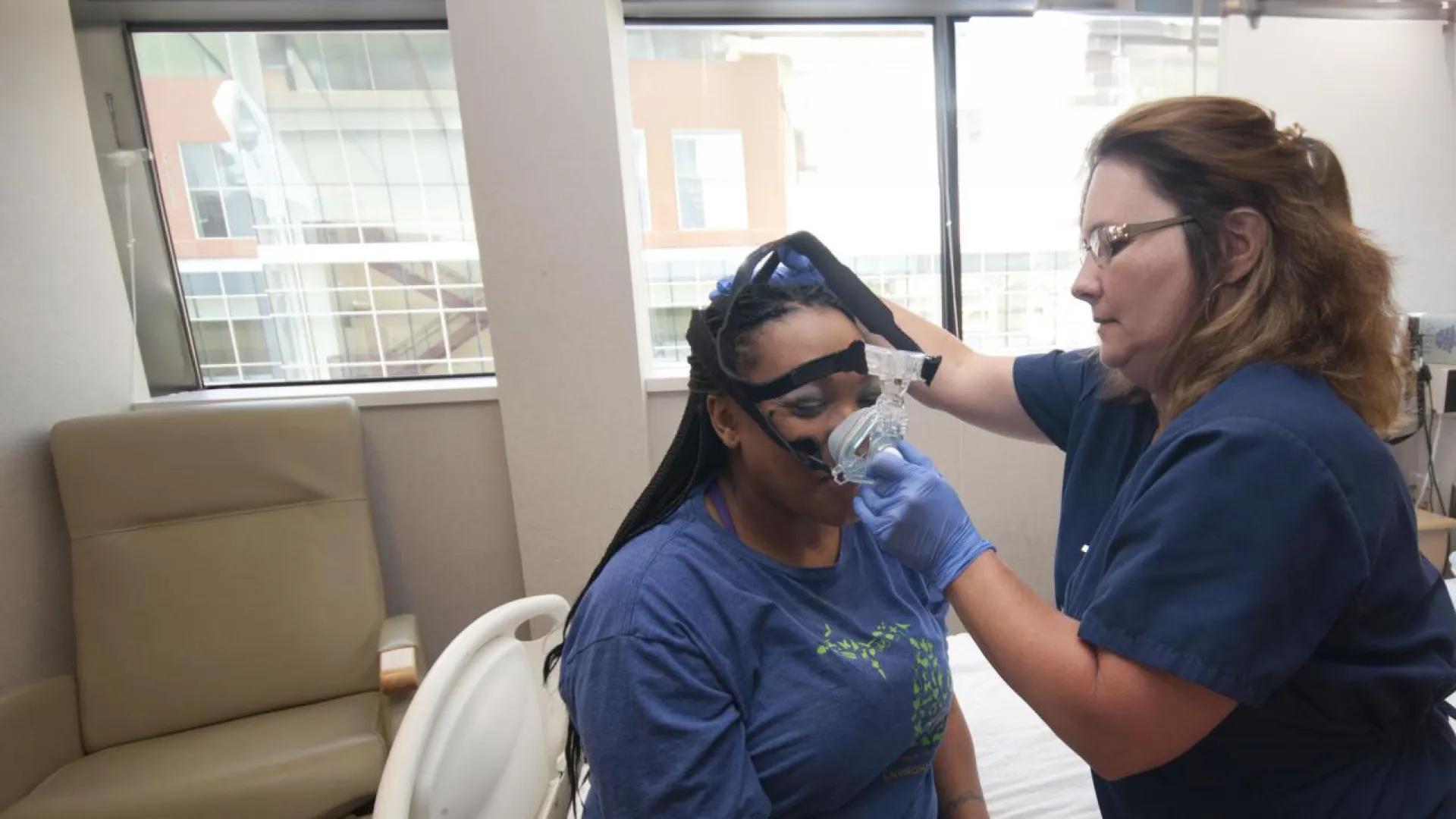
The UM sleep medicine program is one of the oldest, largest, and most well-developed in the U.S. This multidisciplinary group includes physicians from Neurology, Pediatrics, Internal Medicine (Pulmonary Medicine), Otolaryngology, Oral and Maxillofacial Surgery, and Psychiatry. These faculty see patients with any complaints related to sleep or alertness. The program operates four Sleep Disorders Centers with a combined total of 38 sleep laboratory beds.
These four centers are equipped with state-of-the-art digital sleep recording equipment, and highly specialized capabilities including esophageal pressure monitoring, end-tidal and transcutaneous carbon dioxide monitoring, and full EEG montages. The centers perform about 12,000 sleep laboratory studies or home sleep apnea tests each year. In addition to the general sleep disorders clinics, several more specialized and also multidisciplinary clinics have been established to provide the most effective care. These include pediatric sleep disorders clinics as well as a multidisciplinary pediatric sleep and behavior clinic, in which a family sees two types of specialists at one visit. A robust behavioral sleep medicine program, mainly for patients with chronic insomnia, offers an initial evaluation with a sleep physician as well as a sleep psychologist, both at the same visit. Finally, the U-M Sleep Disorders Center maintains an active inpatient consultation service, and can provide bedside attended polysomnography for hospitalized patients when indicated.

Michael S. Aldrich, MD, founded the UM Sleep Disorders Center in 1986.
News
The sleep habits that help you wake up without an alarm
Melatonin and Magnesium: Supplements for Better Sleep
Experts reveal whether the Scandinavian sleep method works
Online Course - At No Cost
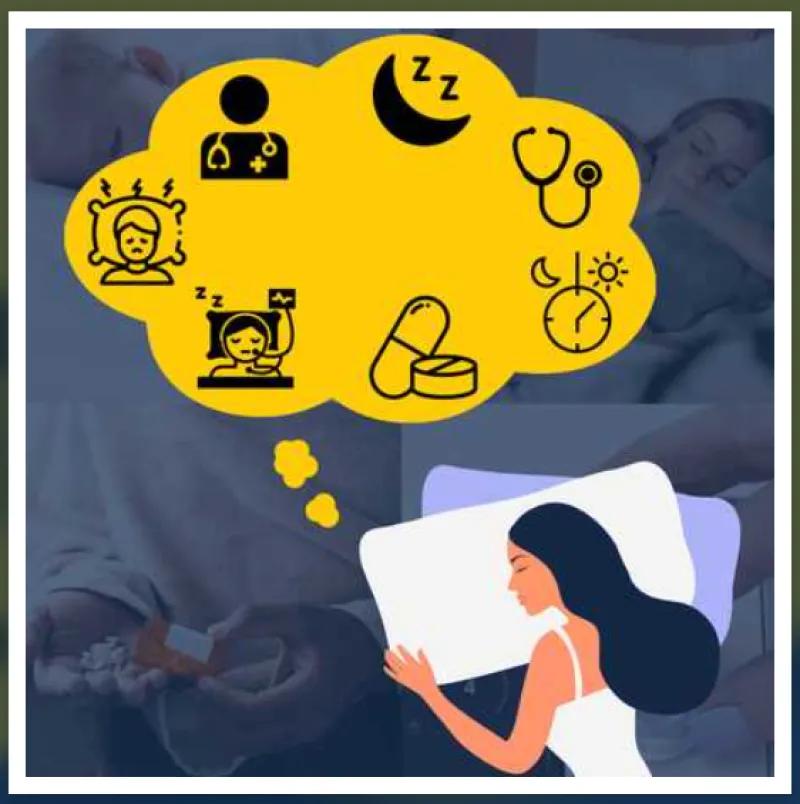
From Sleep Disorders to Sleep Health
What you'll gain:
- Learn the benefits of healthy sleep and barriers that commonly interfere with that goal.
- Learn how sleep changes across the lifespan and for people with diverse backgrounds, environments, or illnesses.
Understand the causes, symptoms, tests and treatments for a range of common and impactful sleep disorders.
Contact Us
1500 E. Medical Center Drive
C728 Med Inn Building
Ann Arbor, MI 48109-5845
Internal Resources
The Internal Resources are for Neurology
