
Grants | Michigan-Israel Partnership
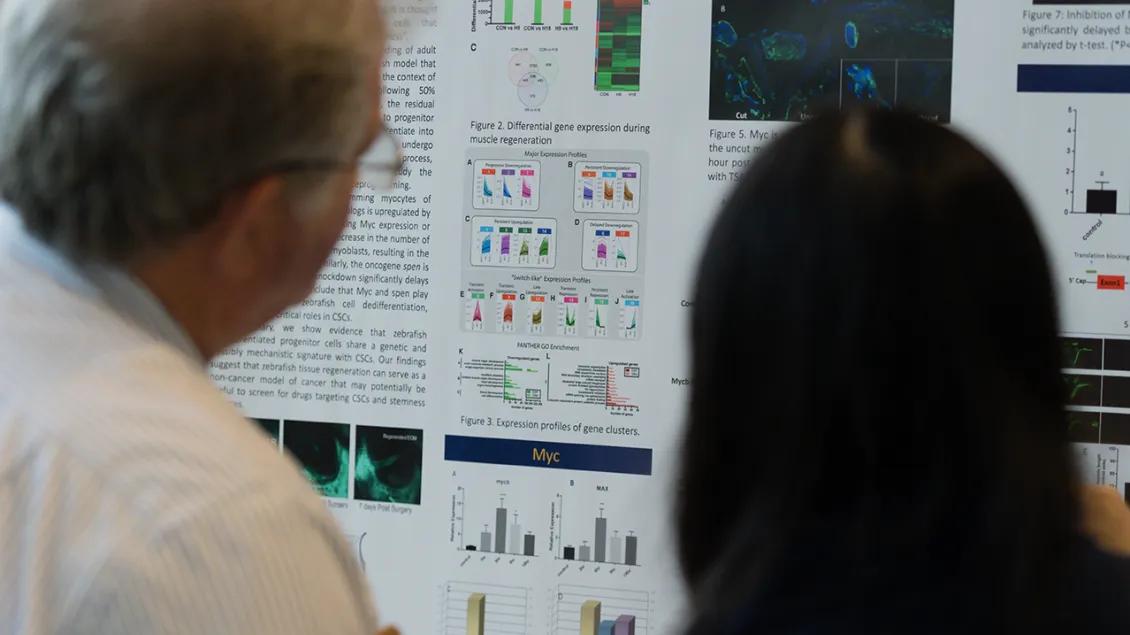
Learn more about the juried collaborative grants
Cardiovascular diseases, cancer, neurological conditions. Our juried research grant program is propelling innovation and relationships forward to address these diseases and to advance efforts that may impact all of science and medicine.
Since its inception, our partnership has funded many collaborative projects, and the number of applications continues to grow. In our first year, we awarded two grants of $25,000 to teams of scientists that had at least one partner in Israel and one at U-M. In our latest round of funding, we were able to distribute $1 million — grants of $100,000 each to 11 collaborative teams.
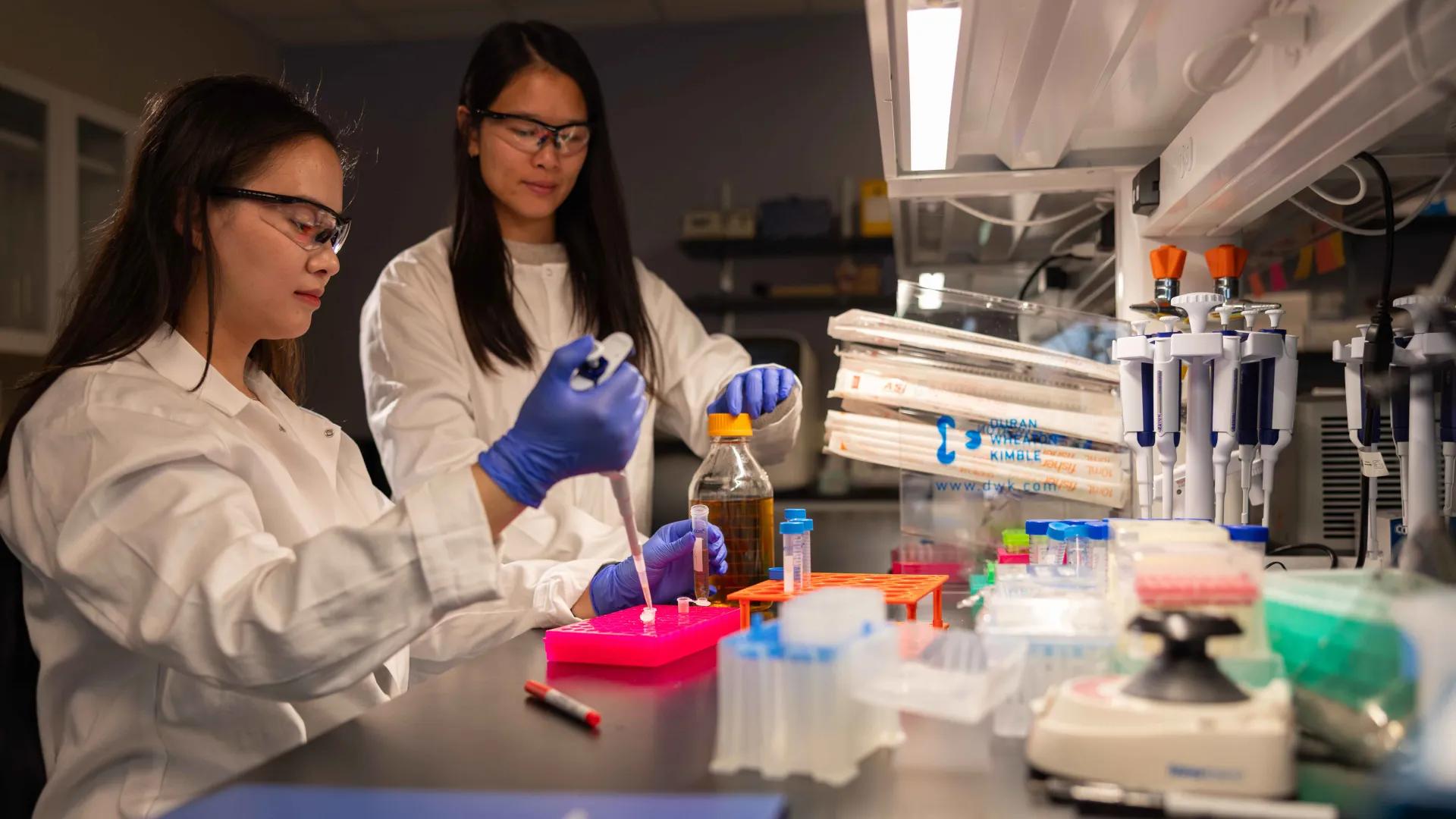
The program’s growth and success are evidence of the belief that many have in the partnership — and the enthusiasm that our faculty members share for working with one another. Each application goes through a rigorous, scored, multi-level peer review process to ensure we are supporting the very best science for the most significant results. Some projects have gone on to earn additional funding from the National Institutes of Health, the United States-Israel Binational Science Foundation, and other sponsors of biomedical research.
We are enabling accomplished leaders in their fields as well as early-career innovators to learn, explore, and reach across disciplines and continents to ask how a new perspective or approach can advance their work. Each of the dozens of applications we receive each year stems from an outstretched hand, a conversation after a presentation at a symposium, or an expanded circle of expertise as a project grows and research thrives.
The demand to do more — to offer an increased number of grants at increased levels of funding — is significant. And it is matched by great potential to accelerate progress in medicine and engineering for the benefit of people in Israel, the United States, and the world.
Today, we seek expendable and endowed support to both redouble what we are able to achieve now and to secure the future of the program. For the dedicated physicians, scientists and engineers building relationships today, and to all those who will build them tomorrow, it is imperative that we ensure this robust, free scientific exchange can continue to thrive and benefit humanity.
