
Licensed Products

Licensed products are listed below.
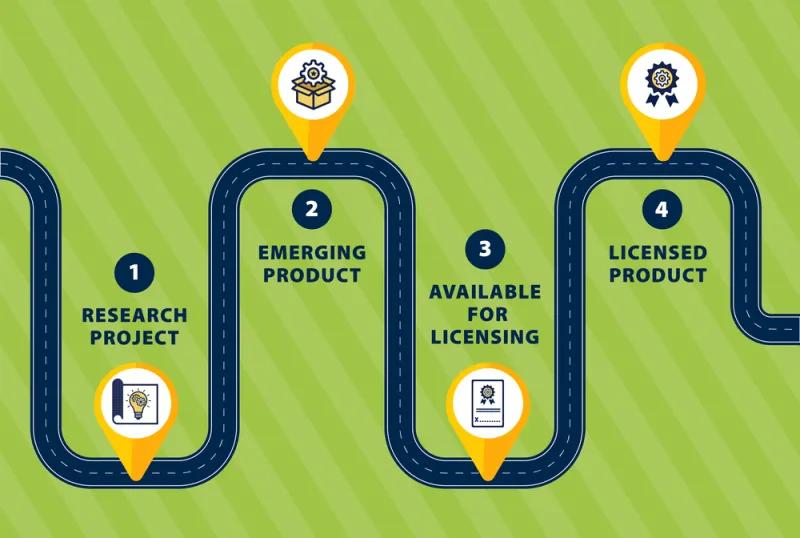
Licensed products have established agreements with companies and/or manufacturers.
To get involved with a specific product, contact the licensee listed under each product page.

Breath Analysis Device for Lung Disease Detection
Using only exhaled breath, this non-invasive, point-of-care device can identify and track over 20 lung diseases including ARDS and COVID.

TBI Companion
TBI Companion uses exploration through augmented reality to place the Neurocritical Intensive Care Unit room and care team in the palm of a caregiver's hand, providing comfort and education following traumatic brain injury.
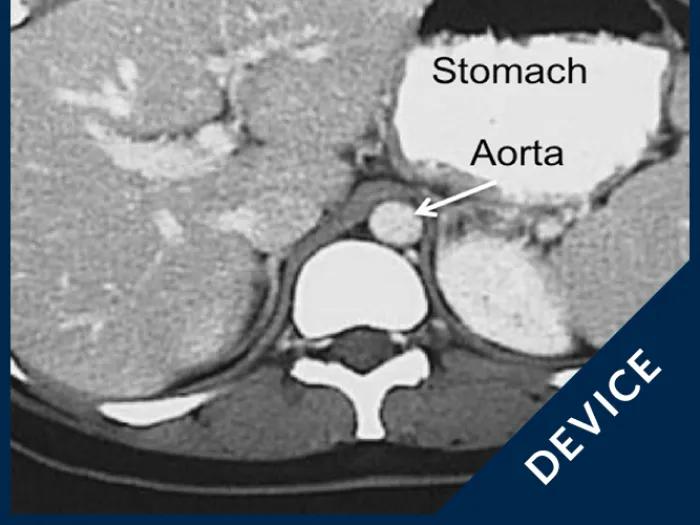
Gastroesophageal Resuscitative Occlusion of the Aorta (GROA)
The GROA device non-invasively occludes the aorta by going into the mouth, down the esophagus, and into the stomach, stopping hemorrhage while maintaining blood flow to the heart and brain.
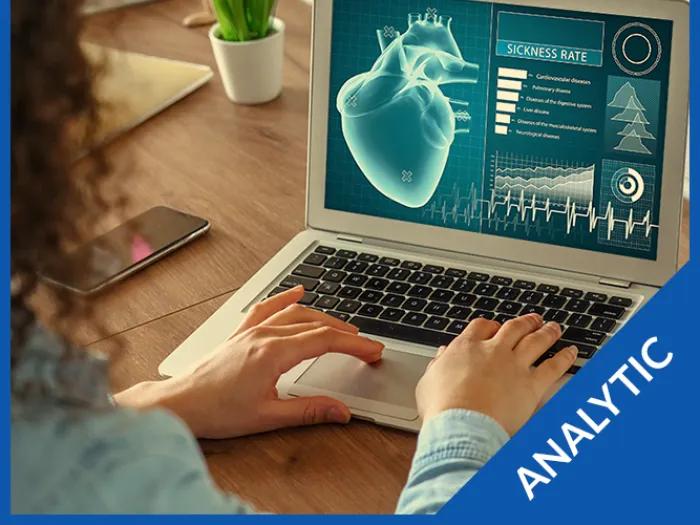
At-Home Patient Triage Platform
The At-Home Patient Triage Platform is a consumer accessible sophisticated Artificial Intelligence (AI) based system that uses predictive models to accurately forecast the need for healthcare based on information provided by the user.
Barreleye: A Decision Support Tool for TBI Care
Barreleye collects physiological data from various monitors and calculates clinically-relevant measures such as Shock Index and Pressure Reactivity Index continuously to gauge patient trajectory, predict potential adverse events and reduce the risk of secondary brain insult.

LUCID
A non-invasive device that uses infrared light to directly modulate mitochondrial activity to improve cell survival and neurological outcomes.

Severe Cardiac Event Prediction System
New mobile health technology that can predict severe cardiac events both at home and on the road to prevent vehicle crashes.
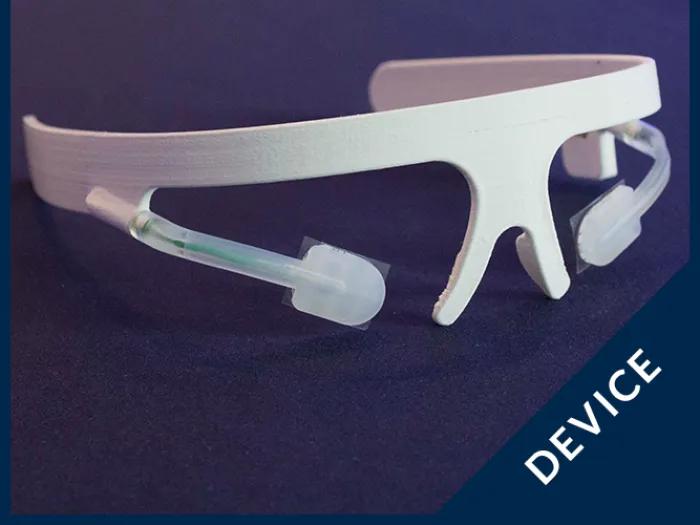
Trans-Ocular Bioimpedance: Seeing the Brain through the Eyes (TOBI)
Wearable device using non-invasive electrical bioimpedance and ultrasound to evaluate intracranial pressure and monitor cerebrovascular autoregulation.
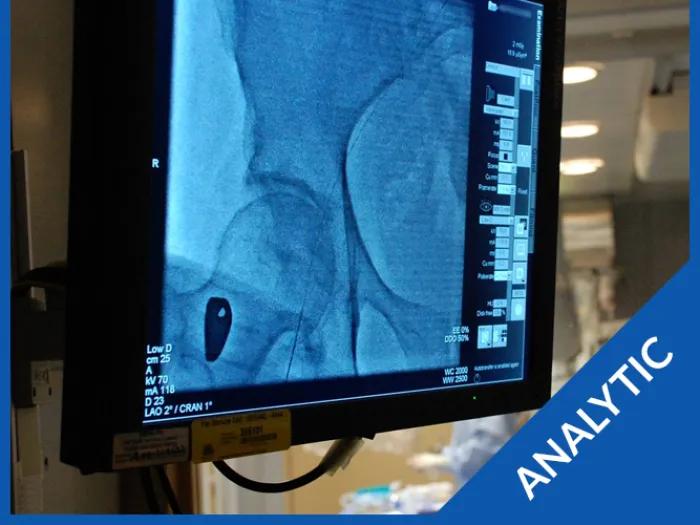
AngioInsight
A fully automated computer-based platform to assist with coronary angiogram video interpretation.
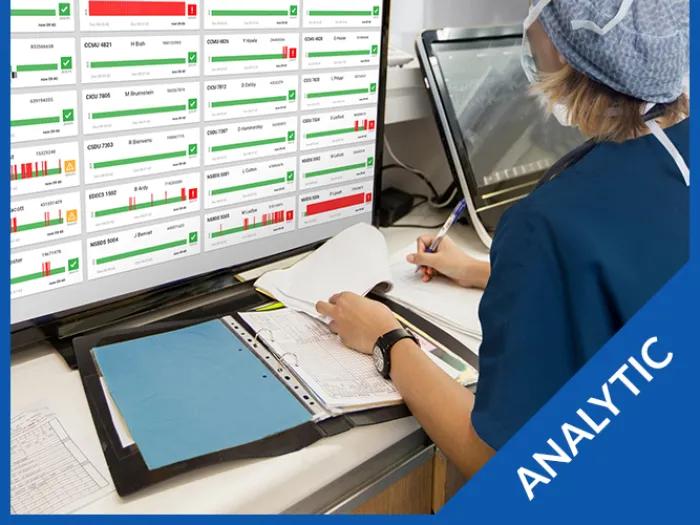
Analytic for Hemodynamic Instability (AHI)
A computer-aided diagnostic using a single ECG lead to predict hemodynamic instability.
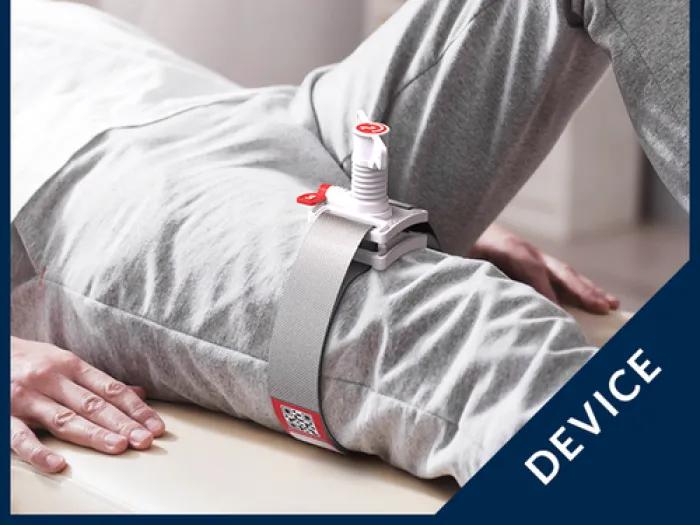
Turn-I-Kit
A simple and more effective tourniquet solution that is designed for use by untrained first responders.
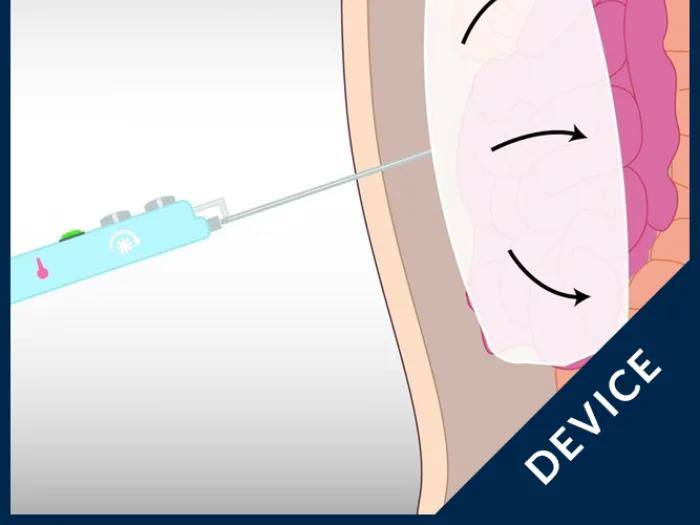
Intra-Peritoneal Hemostasis Device (IPHD)
A device for rapid management of non-compressible torso hemorrhage (NCTH) in a variety of environments.
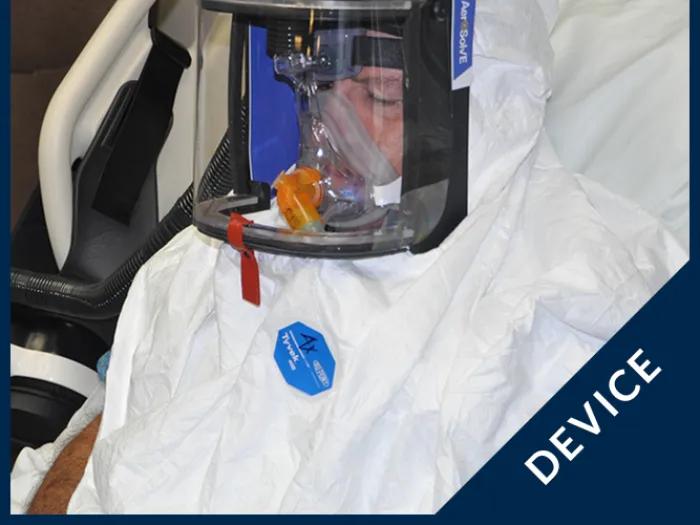
Aerosolve Helmet
A compact, personal negative pressure environment worn by patients—isolating any potential aerosol risks and preventing further transmission.

Mesenchymal Stem Cell-Derived Exosomes as a Neuroprotective and Neurorestorative Treatment Strategy for Traumatic Brain Injury
Successful transition of exosomes into clinical use as an early treatment for TBI.
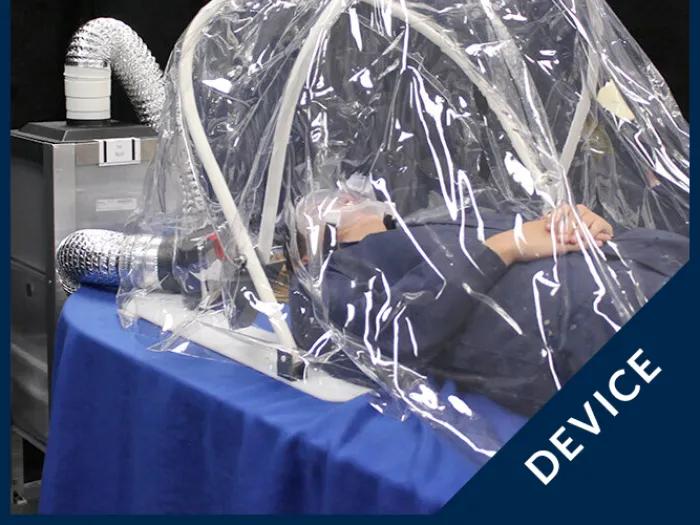
Aerosolve Tent
A portable procedural tent which creates a larger negative pressure environment intended for use during a broader array of medical procedures.
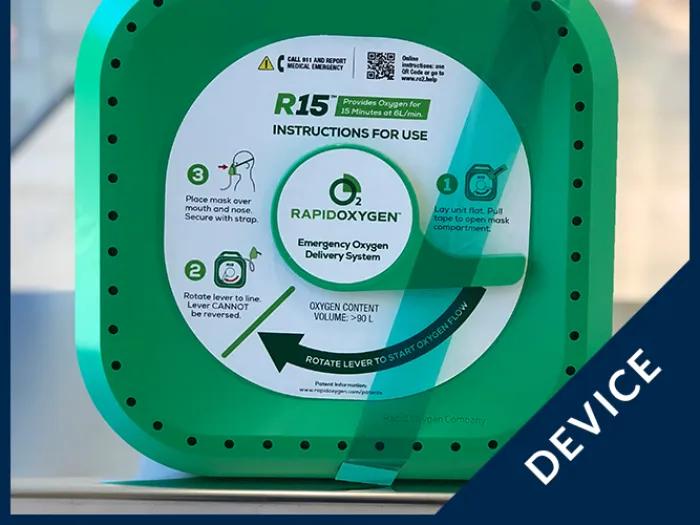
Rapid Oxygen
A low-cost, disposable, and ultra-portable device that safely delivers oxygen for up to 20 minutes in any location.

Microvascular Tissue Oximetry
Utilizes Resonance Raman Spectroscopy (RSS) to measure tissue oxygenation from the inside of the patient’s cheek.
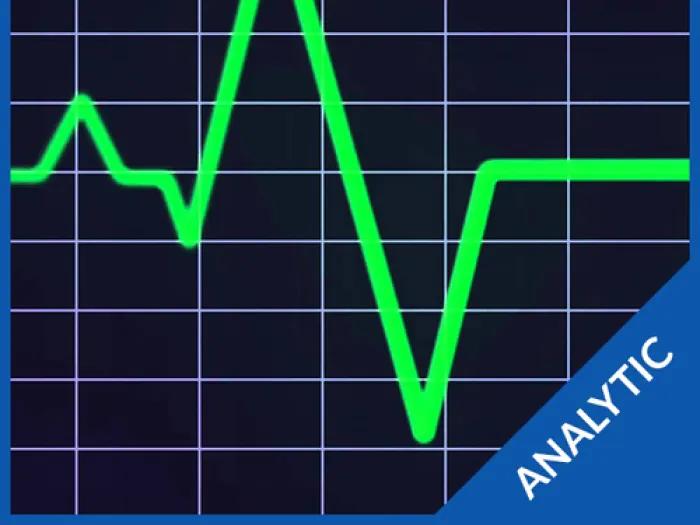
Shock Index with Basic SQI
A computational method that enables continuous monitoring of patients during hemodynamic surveillance.
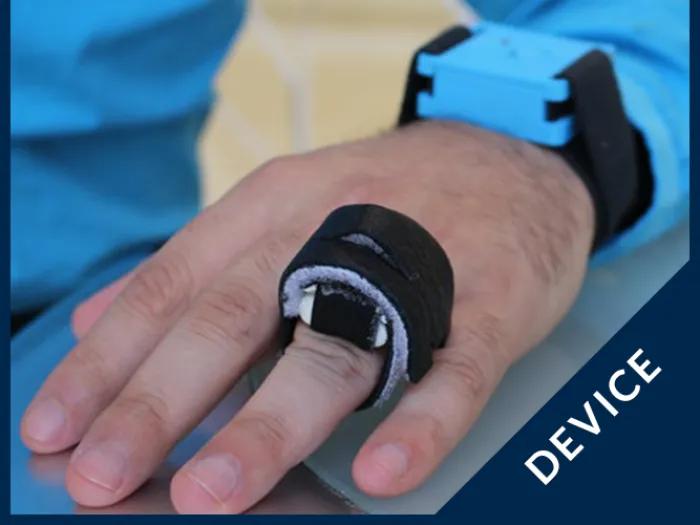
Vascular Tone Monitoring System (VATMOS)
A wearable ring that provides continuous blood pressure monitoring in critically ill and injured patients.
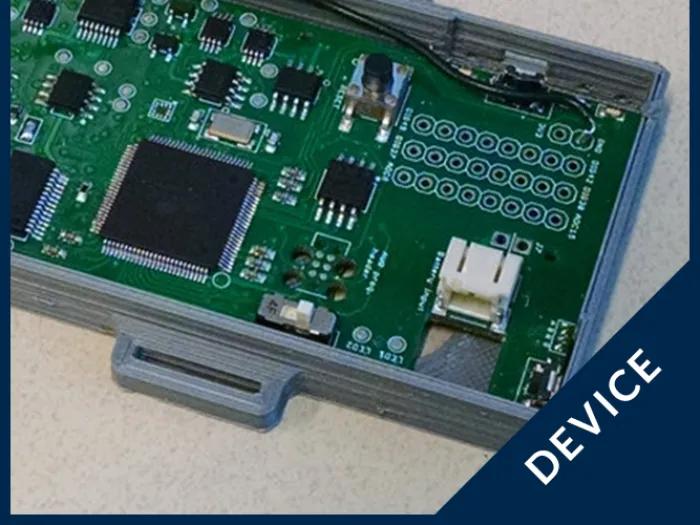
Dynamic Respiratory Impedance Volume Evaluation (DRIVE)
A small wearable, wireless device that provides personalized, continuous, and easily interpreted diagnostic data for a variety of managed-care environments.
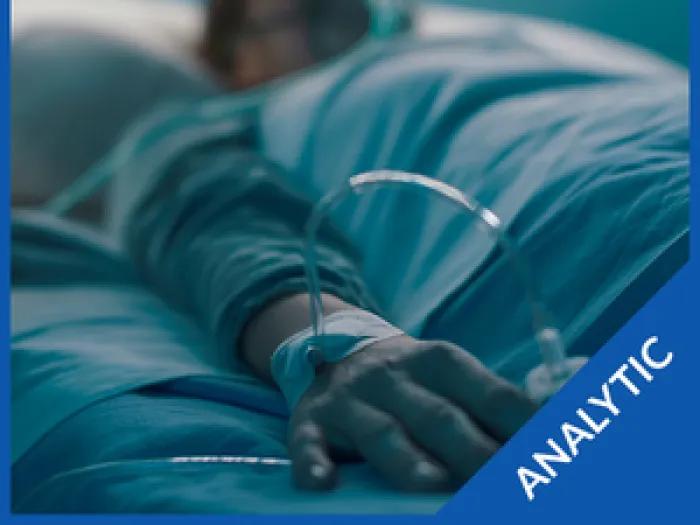
PICTURE: Pediatric General Floor Deterioration Prediction
PICTURE is a suite of machine learning algorithms that utilizes electronic health record (EHR) data to predict patient deterioration in hospital settings.
PICTURE: Adult General Floor Deterioration Prediction
PICTURE is a suite of machine learning algorithms that utilizes electronic health record (EHR) data to predict patient deterioration in hospital settings.
