
Razumilava Lab
Understanding fundamental mechanisms underlying the bile duct homeostasis and responses to injury
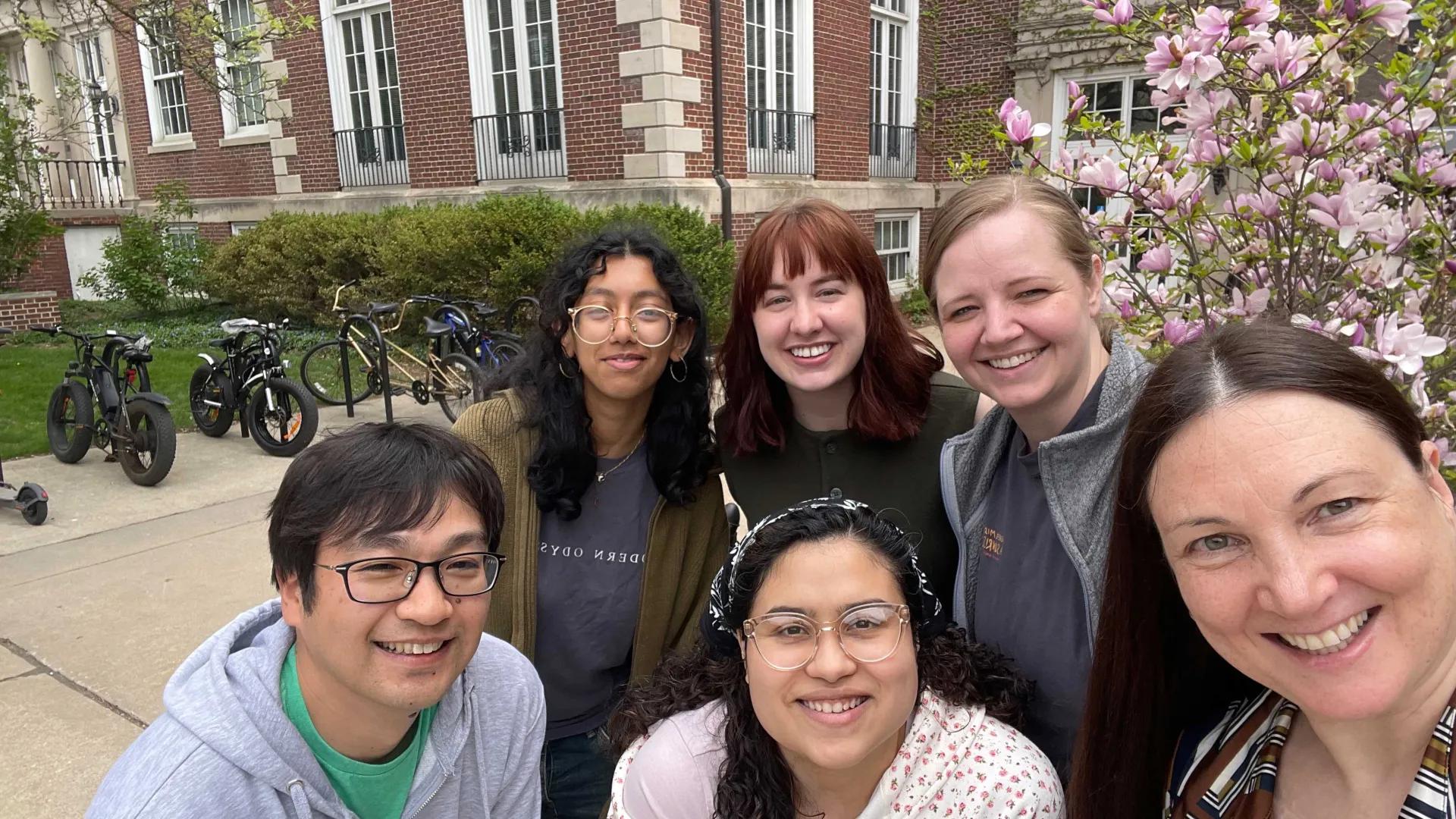
Explore the Razumilava Lab
We are a highly collaborative basic and translational research team with the goal to improve the health of patients with cholangiopathies and biliary cancer through scientific discoveries. Cholangiopathies are progressive fibroproliferative disorders affecting biliary epithelium, which eventually lead to liver failure and dismal biliary cancer. To inform potential therapies, our group aims to define the mechanisms underlying large bile ducts and cholangiocarcinoma biology.
Thus, the Razumilava lab focuses on fundamental questions regarding the molecular and cellular drivers of bile duct regeneration which can result in tissue repair or maladaptive outcomes such as fibrosis and cholangiocarcinoma. We use genetically engineered mice for in vivo studies, mouse and human organoid and primary cell culture models and biliary explants for in vitro studies, and transcriptomics studies to uncover molecular pathways. We validate our findings using a human biliary tissue biobank.
Contact
2438 BSRB (Lab)
109 Zina Pitcher Pl.
Ann Arbor, MI 48109
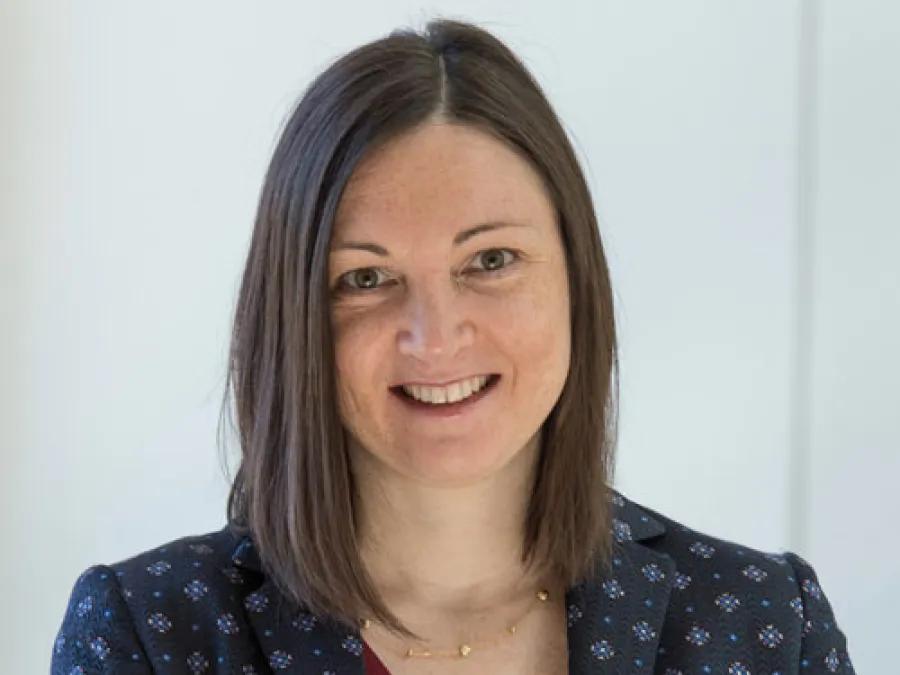
Nataliya Razumilava, MD
Assistant Professor of Internal Medicine
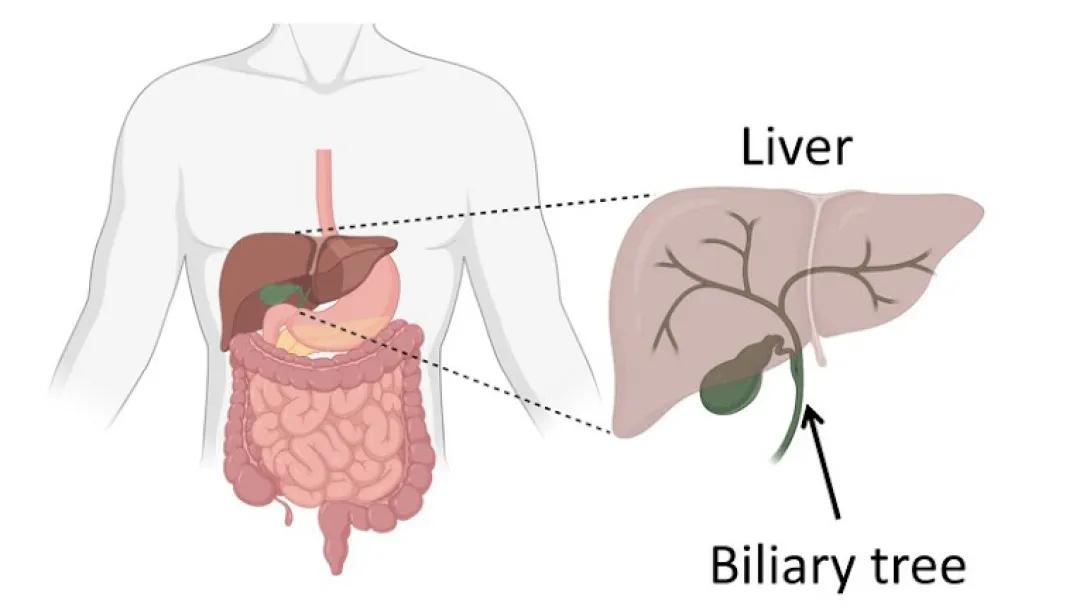
Diagram of the human digestive system highlighting the liver and biliary tree. On the left, the torso shows internal organs including the liver, stomach, intestines, and gallbladder. On the right, a magnified view of the liver illustrates branching bile ducts, with an arrow pointing to the biliary tree and gallbladder.
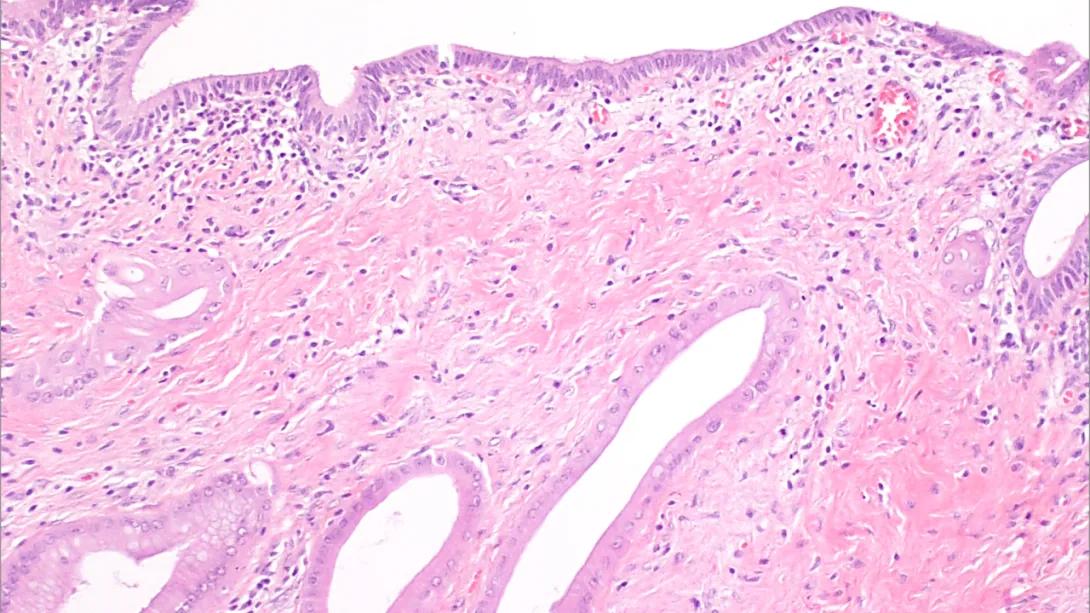
Experimental Model: Human biliary samples
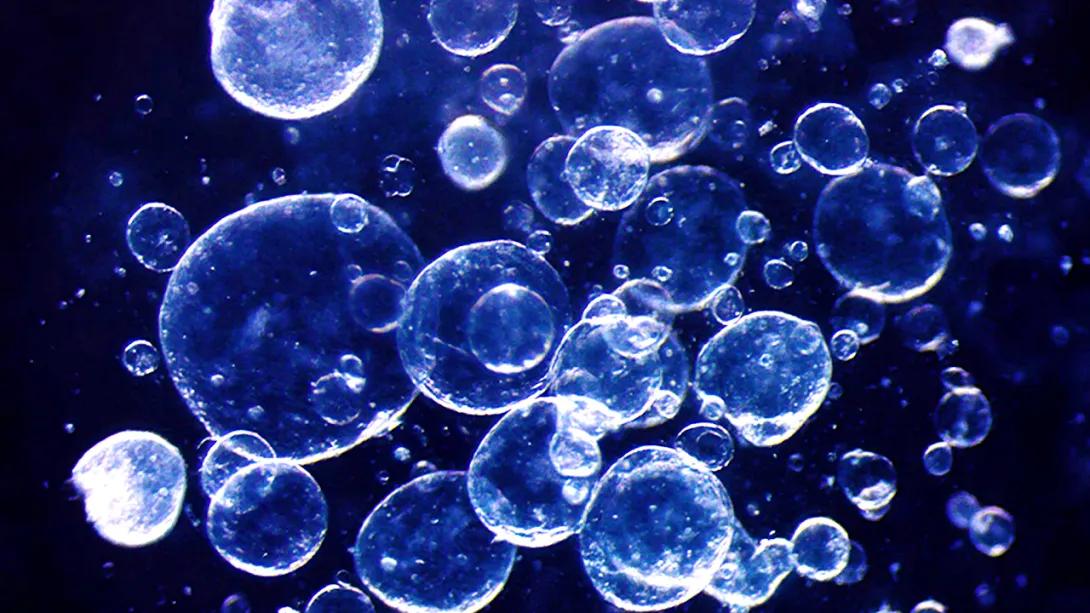
Experimental Model: Human and mouse organoids
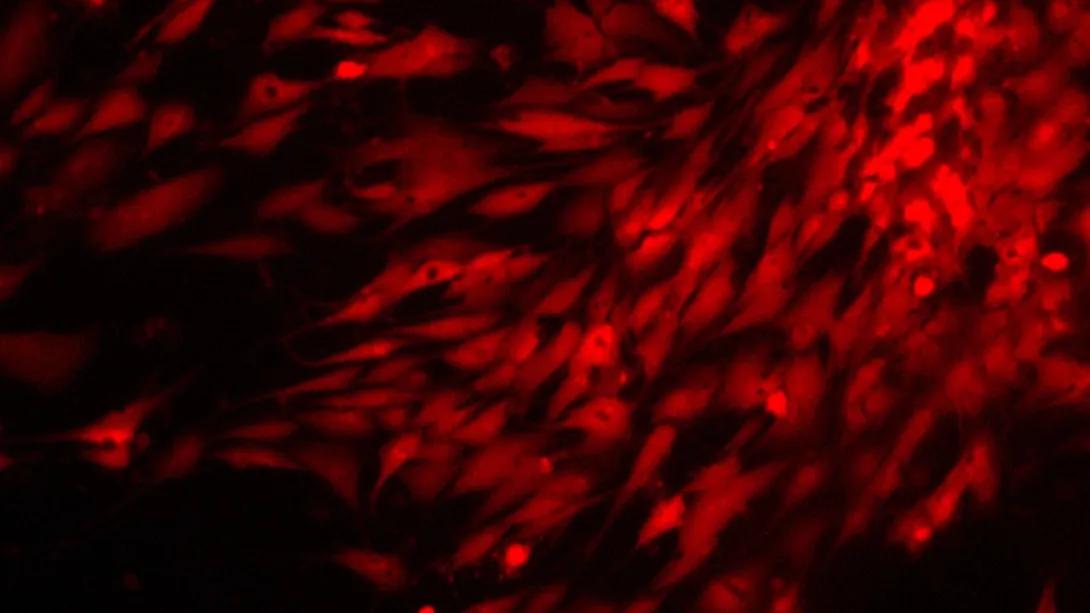
Experimental Model: Primary fibroblast cultures
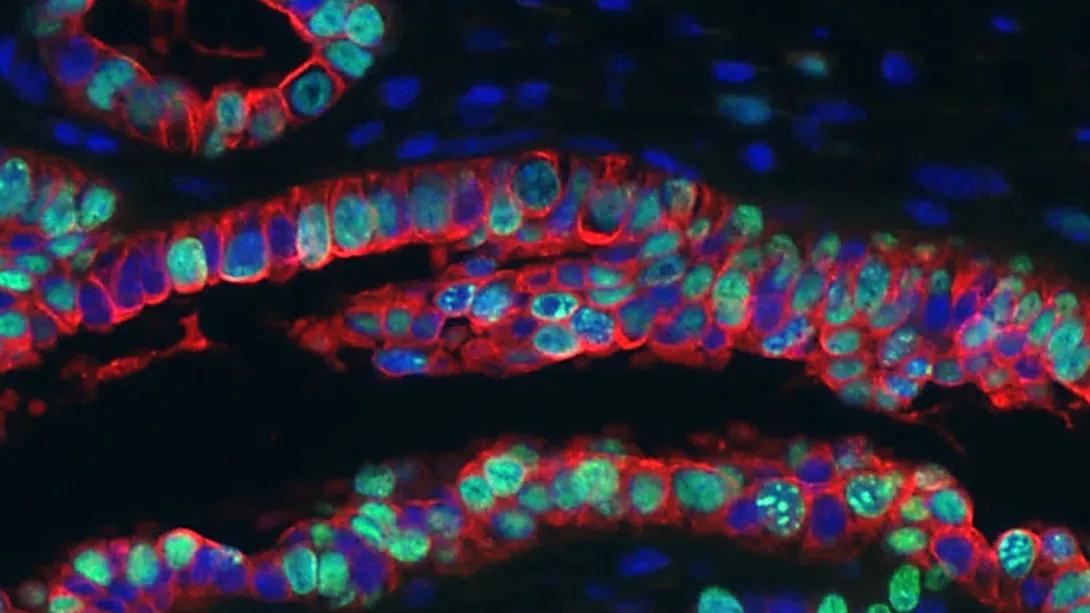
Experimental Model: In vivo mouse models
