
Research | Hammoud Lab
Our Research
At the heart of reproduction lies a central biological challenge:
how is sperm produced, and what information is faithfully transmitted to the next generation?
The Hammoud Lab tackles these questions head-on, dissecting how germ cells form, how somatic-germ cell communication drives spermatogenesis, and how chromatin organization within sperm instructs embryonic development and shapes health across generations. Deploying single-cell genomics, spatial transcriptomics, and precision genetic tools, we are revealing the molecular logic of male germline specification, maintenance, and function.
These discoveries are redefining our understanding of inheritance - and charting a course toward transformative therapies for infertility and reproductive disease.
Molecular Mechanisms & Pathways Required for Proper Germ Cell Development
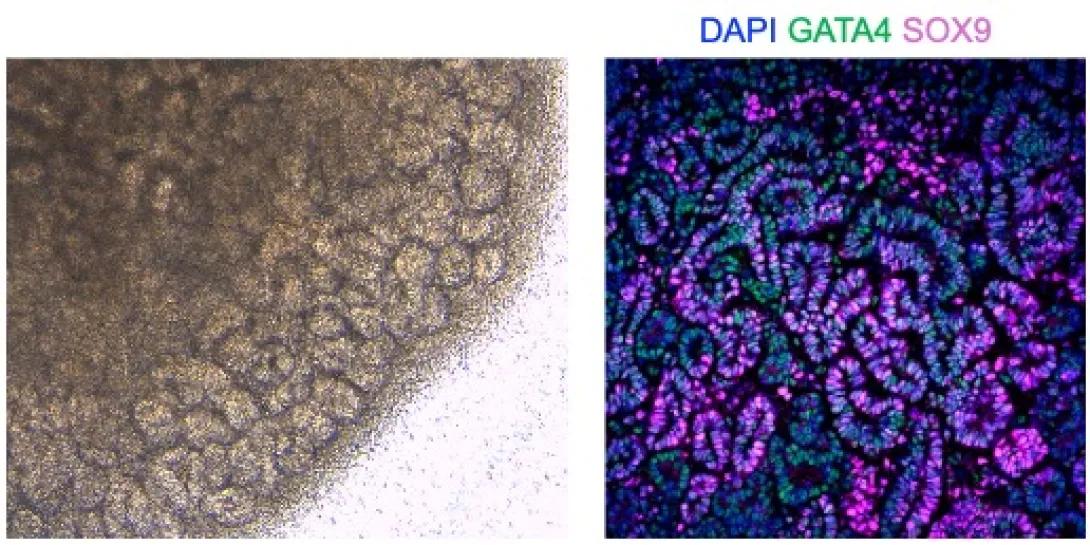
The mammalian testis is one of biology's most complex tissues - a dynamic environment where diverse cell populations coordinate to produce sperm across a lifetime. The Hammoud Lab uses cutting-edge genomic and epigenetic tools to decode how germ cells develop, enter meiosis, and acquire the molecular signatures passed to the next generation. By comparing these processes across species, we uncover fundamental principles of reproductive biology with direct implications for male infertility, assisted reproduction and intergenerational health.
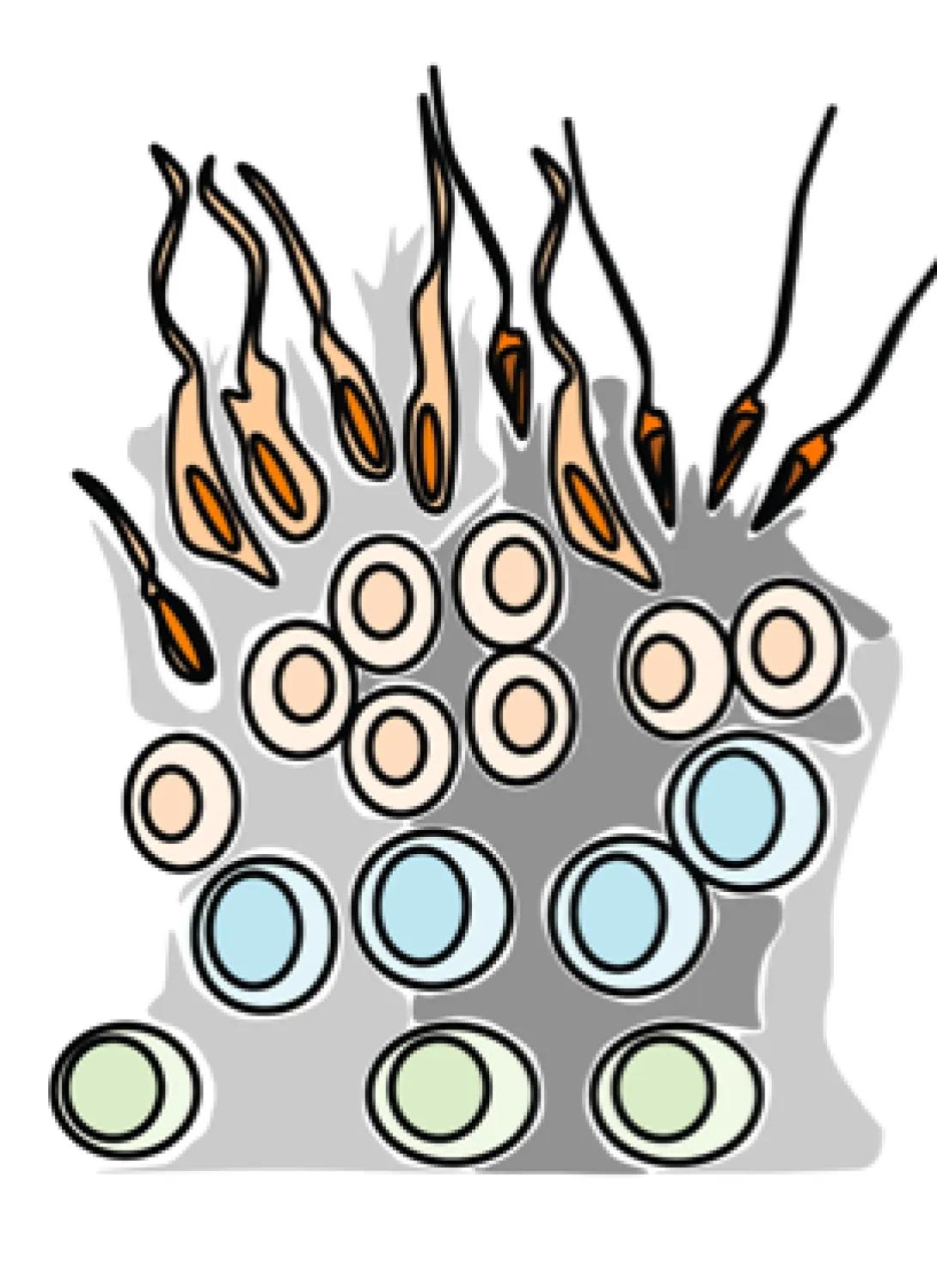
Spermatogenesis depends on an intricate communication between germ cells and their surrounding somatic cells - a dialogue that, when disrupted, leads to infertility. Using single-cell genomics and spatial transcriptomics, the Hammoud Lab is mapping the molecular signals and cellular cross-talk that orchestrate this process. We apply these insights to build human and mouse testis organoids, using them as platforms to reconstitute and drive sperm development outside the body. Success would transform how we treat male infertility and expand access to fertility preservation.
Contribution of the Male Germline Chromatin to Development & Disease
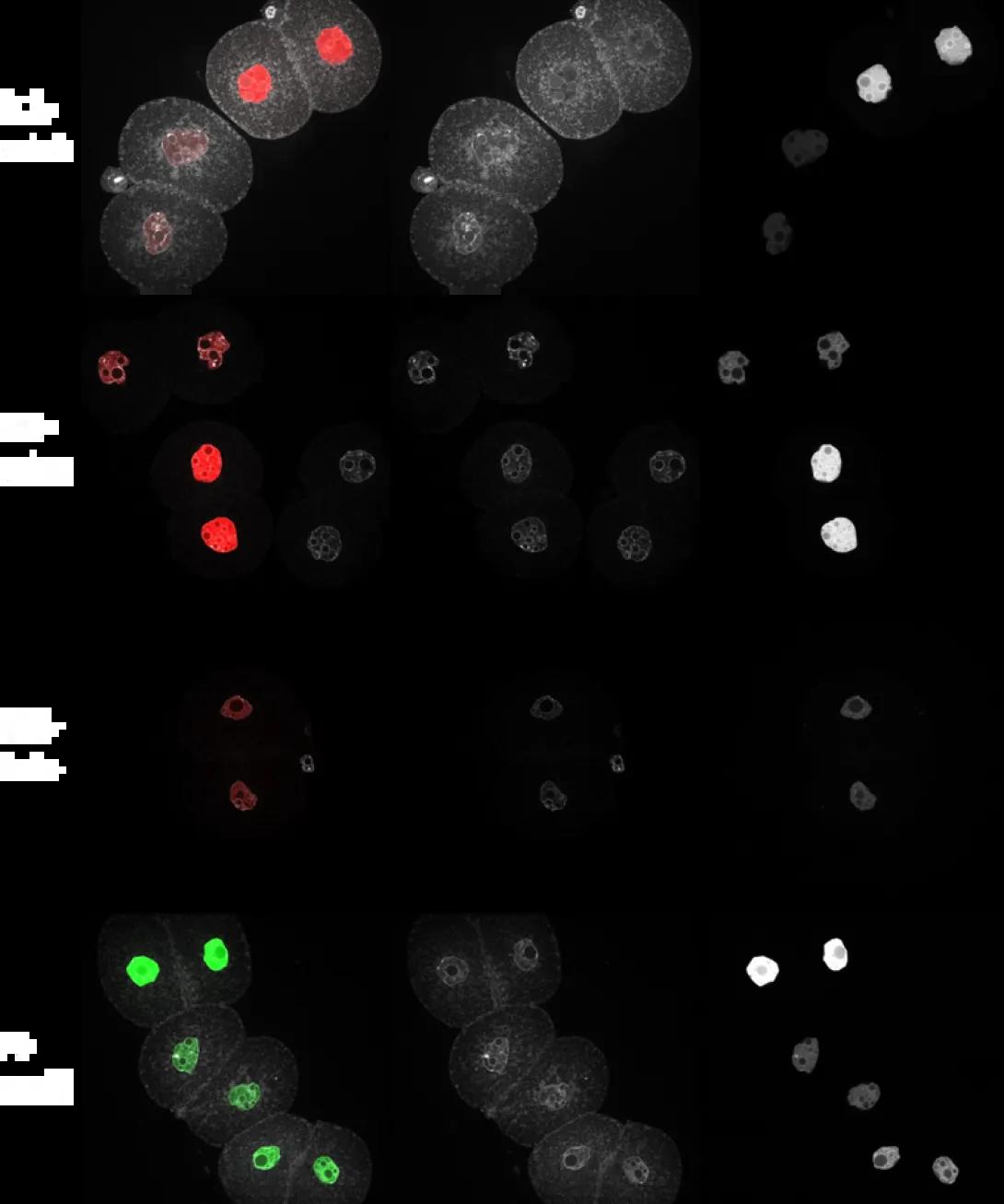
Unlike somatic cells, the sperm genome is packaged in histones and protamines. Whether this unique chromatin landscape is a remnant of gametogenesis or instructive for development is unknown. We have developed novel genetic strategies to explore the role and significance of histones in spermatogenesis and early embryonic development.
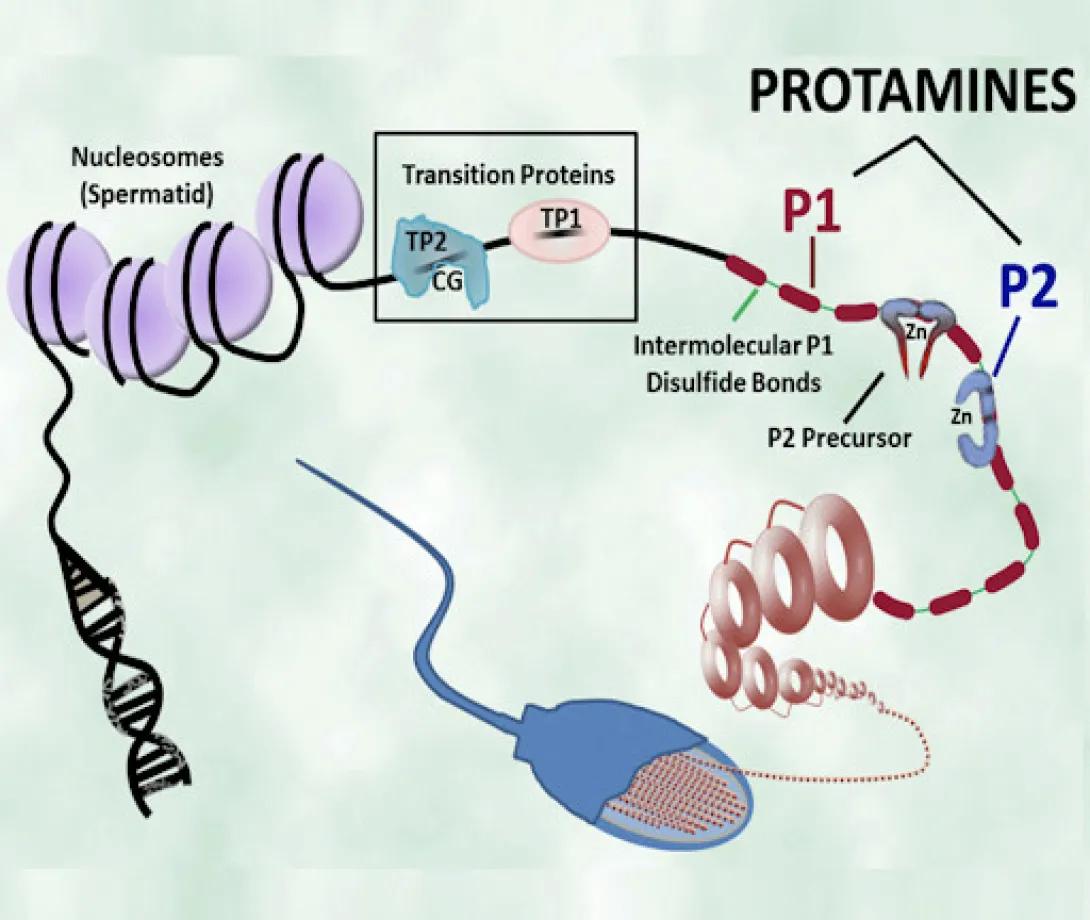
Protamines are small but mighty nuclear proteins responsible for compacting paternal DNA into the streamlined sperm nucleus - a process essential for fertility and the faithful transmission of the paternal genome. Yet how protamines are deposited, removed, and diversified across species remains poorly understood. Using novel biochemical and genomic approaches, the Hammoud Lab is uncovering the structure, function, and evolutionary significance of protamines across species - and how disruptions to this process contribute to male infertility and impact embryo development.
