
Zou Lab
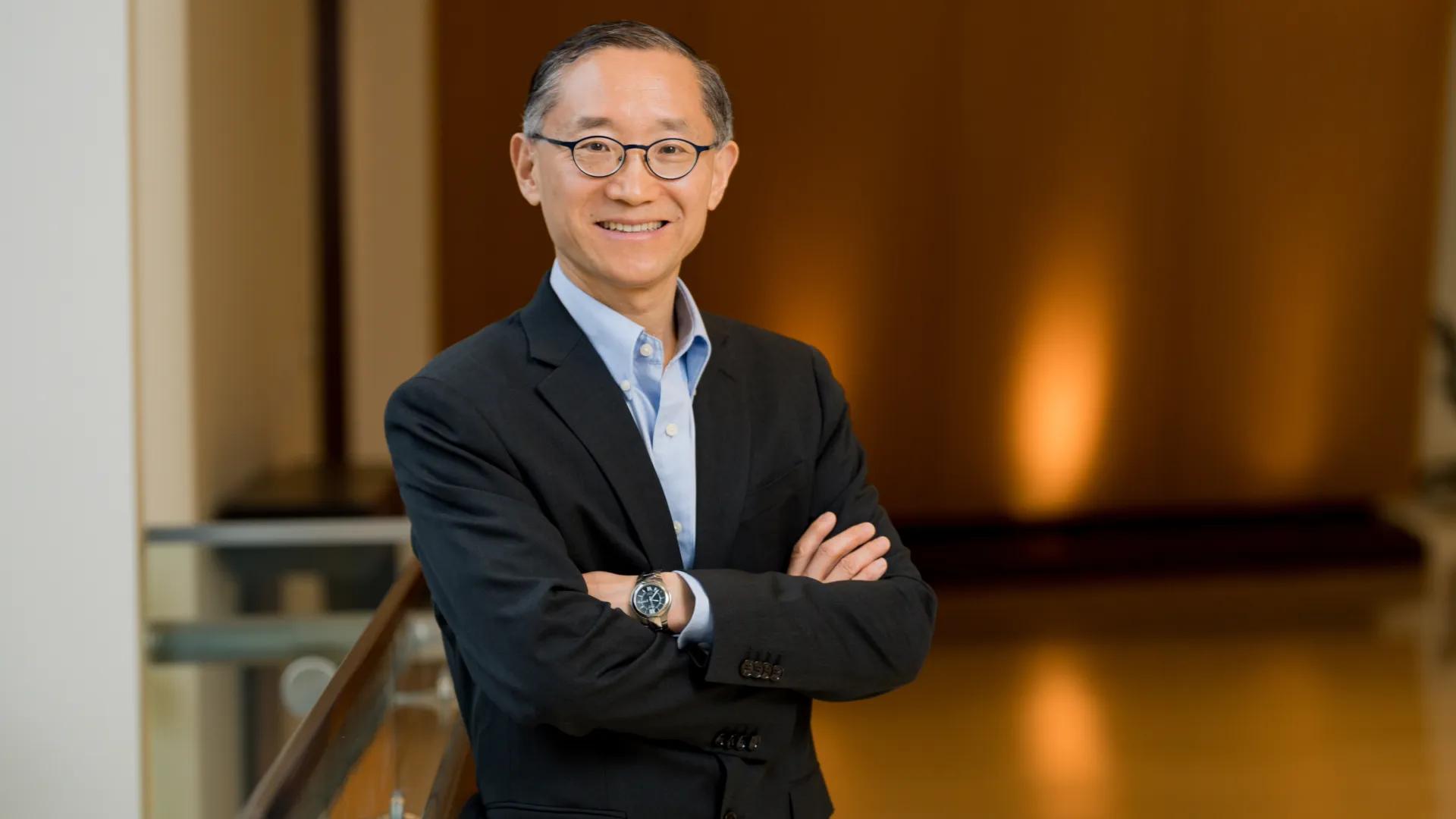
Weiping Zou, MD, PhD leads a multidisciplinary laboratory that investigates the human cancer microenvironment with the goal of understanding the genetic, epigenetic, and metabolic nature of human tumor immune responses and developing mechanism-informed combination therapies for cancer.
Explore the Zou Lab
The Zou Lab has studied human breast cancer, colon cancer, melanoma, ovarian cancer and non-small cell lung cancer, and demonstrated genetic, epigenetic, metabolic, and autophagic mechanisms controlling APC and T cell trafficking and function in the tumor microenvironment, thereby impacting tumor progression, metastasis, and therapeutic efficacy. Ongoing work is focused on identifying the molecular basis that defines different immune and biological phenotypes of tumors and shapes tumor responses to immunotherapy, chemotherapy, targeted therapy and radiation therapy.
These studies will eventually help identify previously unknown therapeutic targets and inform novel combinatorial therapeutic approaches that should expand the range of patients who respond to current immunotherapies.
The laboratory has demonstrated that the interaction between tumor cells and the host immune system fosters tumor immunosuppressive networks and results in cancer progression and therapeutic resistance. Their studies of cancer infiltrating T cell subsets - including regulatory T cells (Tregs), Th17, Th22, and CD8+ effector T cells, and antigen presenting cells (APCs) - including dendritic cells (DCs), macrophages, myeloid derived suppressor cells (MDSCs), and molecular signatures - have elucidated major cancer immunosuppressive networks and therapeutic resistance mechanisms and allowed for determination of clinically targeting these mechanisms to effectively treat cancer patients.
Their work including the first demonstration of the expression, regulation, and functional blockade of PD-L1 (B7-H1) in the human cancer microenvironment and human tumor draining lymph nodes and their early concept of combinatorial immunotherapeutic strategy has laid the scientific foundation for current cancer immunotherapy and has provided rationales for novel combinations.
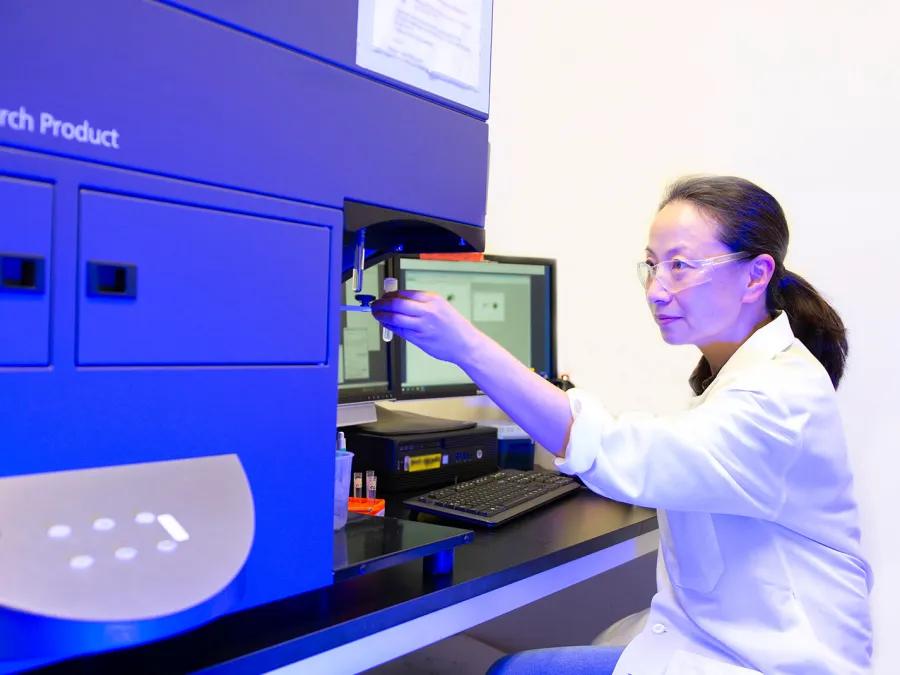
In The Zou Lab
The tumor microenvironment is the primary arena in which tumor cells and the host immune system interact. Characterization of the nature of the immune responses in the human cancer microenvironment holds the key to understanding tumor immunity and designing and improving current cancer immunotherapy.
Weiping Zou leads a multidisciplinary laboratory that investigates the human cancer microenvironment with the goal of understanding the genetic, epigenetic, and metabolic nature of human tumor immune responses and developing mechanism-informed combination therapies for cancer.
Support Our Work
We greatly appreciate your support in further advancing our research. Please contact the Office of Development with any questions.
Explore Clinical Trials
The University of Michigan offers a wide range of clinical trials through the Michigan Institute for Clinical & Health Research (MICHR) in which volunteers can participate.
