
O'Rourke Lab
The O'Rourke Lab, led by Dr. Robert W. O'Rourke, is progressing toward novel adipose-tissue-based therapies in metabolic disease.
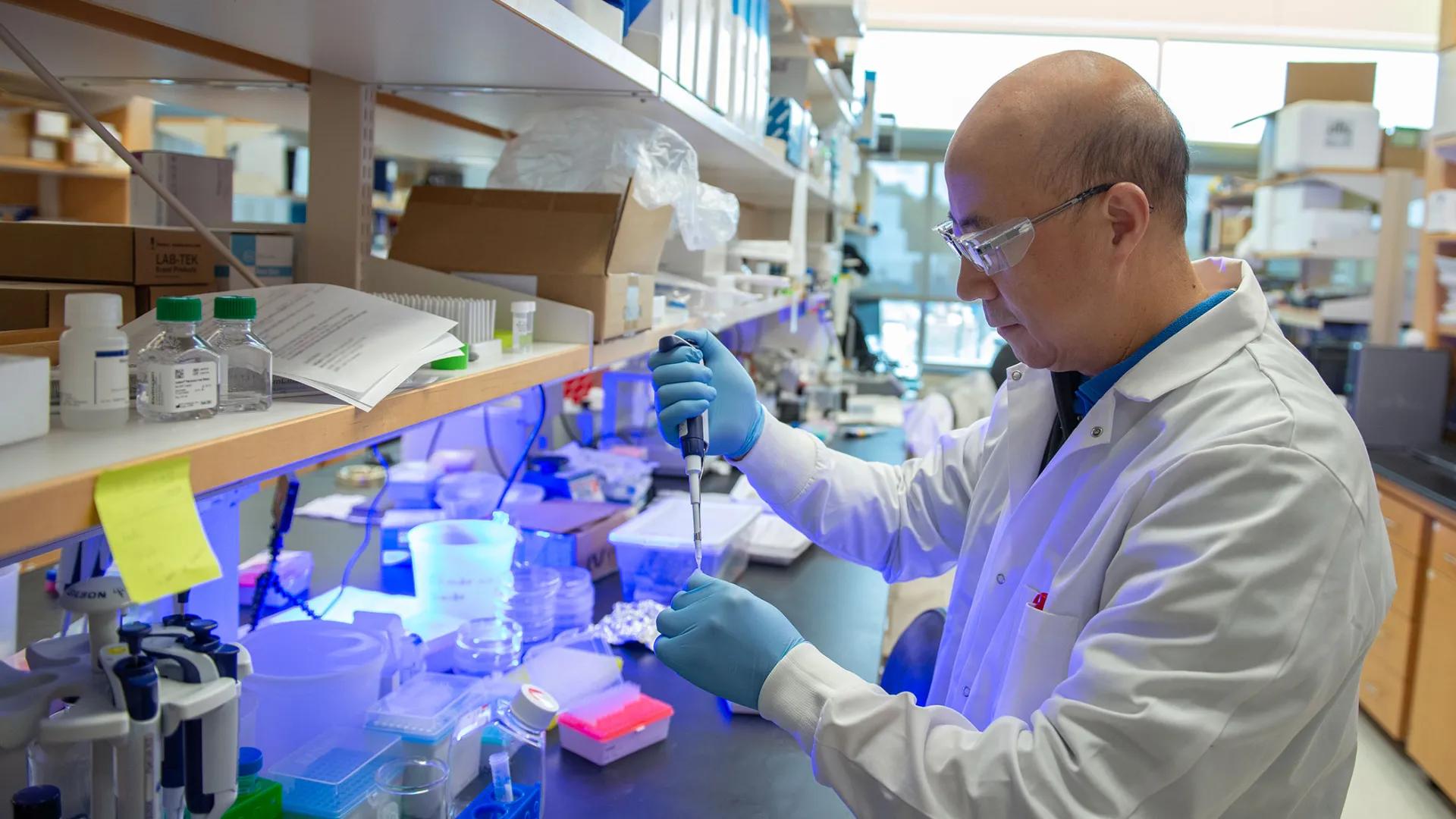
Explore the O'Rourke Lab
The O'Rourke Research Laboratory centers on understanding the mechanisms involved in insulin resistance and adipocytes glucose metabolism. Our lab has identified a number of mechanisms and pathways involved in adipose tissue dysfunction, inflammation and metabolic disease. These involve macrophages and natural killer (NK) immune cells as well as the extracellular matrix, the supporting environment around cells.
We are especially interested in how each of these cells and tissue components communicates adipocytes, the primary fat storage cells, within adipose tissue. We are also interested in the signaling mechanisms and pathways adipocytes and cancer cells use to communicate in the context of certain types of cancer.
Over one-third of the U.S. population suffer from obesity, which raises the risk of diabetes, cancer, and other metabolic diseases. Bariatric surgery helps many patients lose weight, maintain weight loss, and prevent or improve metabolic conditions, but novel non-surgical therapies for diabetes and other obesity-related metabolic diseases are a critical need.
Adipose tissue metabolic dysfunction is a key contributor to obesity-related disease pathogenesis. We are working to identify mechanisms underlying adipose tissue dysfunction and develop novel personalized adipose tissue-based therapy for obesity and associated metabolic diseases.
The O'Rourke Research Laboratory has provided new insights into the biology of adipose tissue and its role in systemic metabolic and inflammation-related diseases such as diabetes and cancer. Our work investigating extracellular matrix–cell interactions has deepened our understanding of the signaling pathways that regulate many functions of adipocytes, including insulin resistance and lipid metabolism. We have elucidated the role of macrophages and natural killer (NK) immune cells in dysfunctional adipose tissue, including how these cells regulate inflammation, hypoxia, and cell stress responses in adipose tissue. Our work on pancreatic cancer–adipocyte interactions has contributed to a better understanding of the role that adipose tissue plays in carcinogenesis.
Our laboratory has developed a human adipose tissue bank of visceral and subcutaneous tissue from patients with obesity undergoing bariatric surgery. We have created sophisticated in vitro two-dimensional and three-dimensional human cell culture systems to investigate metabolic crosstalk and the ways in which adipose tissue dysfunction impacts systemic metabolism. We utilize state-of-the-art single cell and single nuclear sequencing methods to study cell subpopulations within adipose tissue and their role in contributing to metabolic dysfunction. Finally, we have developed novel murine adipocyte transplant models that permit study of the effects of adipocyte-based therapy on in vivo systemic metabolism.
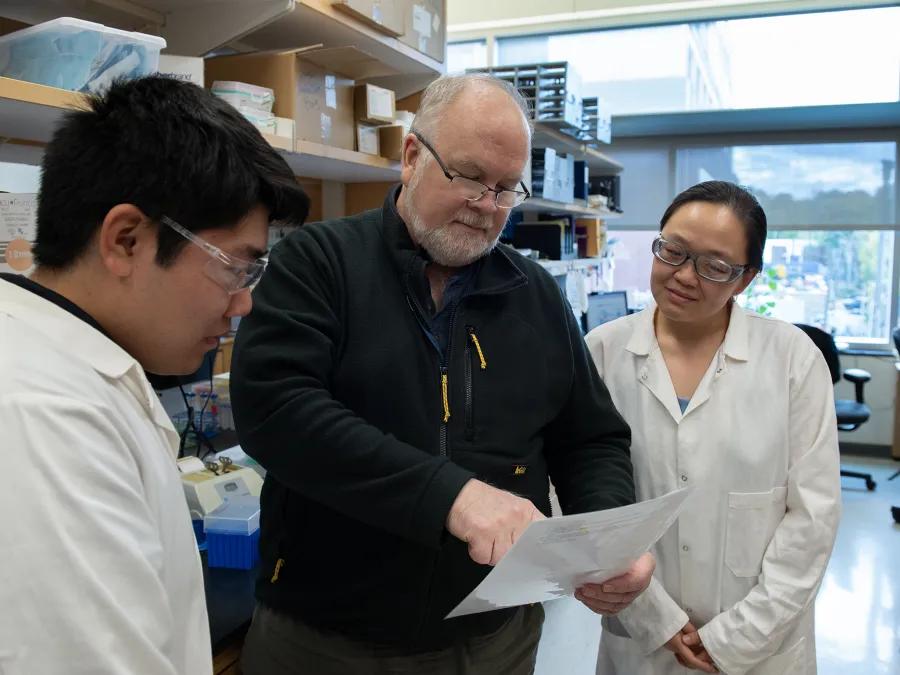
in the O'Rourke Lab
Many diseases, including type 2 diabetes, cancer and hyperlipidemia, have been linked to obesity. The O'Rourke Laboratory focuses on understanding the role adipose (fat) tissue plays in the development of obesity-related systemic metabolic diseases.
Our research spans basic science and translational investigations and is closely aligned with Dr. O'Rourke's surgical practice treating patients with obesity—many of whom suffer from metabolic and inflammation-related disease.
Support Our Work
We greatly appreciate your support in further advancing our research. Please contact the Office of Development with any questions.
Explore Clinical Trials
The University of Michigan offers a wide range of clinical trials through the Michigan Institute for Clinical & Health Research (MICHR) in which volunteers can participate.
