
Kelly Malcom
Lead Research Communicator
Malcom is a lead research communicator for Michigan Medicine and research communications strategist for the U-M Medical School, with more than 20 years of experience in strategic communications, marketing, and health and science writing. She covers the basic science departments, pulmonary and critical care medicine, infectious disease, pathology and anesthesiology. Contact: [email protected]


Research News
Liangyou Rui, PhD and team show important role SH2B1 gene plays in food intake regulation
Liangyou Rui, PhD and team show important role SH2B1 gene plays in food intake regulation

Health Lab
How a gene for obesity affects the brain
How a gene for obesity affects the brain: The discovery could lead to new treatments for metabolic diseases with fewer side effects

Health Lab
This anesthesia technique makes surgery safer, less scary for pediatric patients
The pediatric spinal anesthesia program offers a needle-based technique that provides sensory and motor block without the need for intubation or general anesthesia for pediatric surgical procedures below the belly button. This means the patient will not feel anything below chest level.
News Release
$3.2M NIH grant to enable more accurate identification of bone fracture risk
The multi-institution grant will establish a novel approach to identify individuals at increased risk of hip fragility fractures.

Health Lab
Primary care physicians are hesitant to accept chronic pain patients using opioids or cannabis
Michigan Medicine research finds that patients with chronic pain who use either substance may find it harder to find primary care physician than those who don’t.
News Release
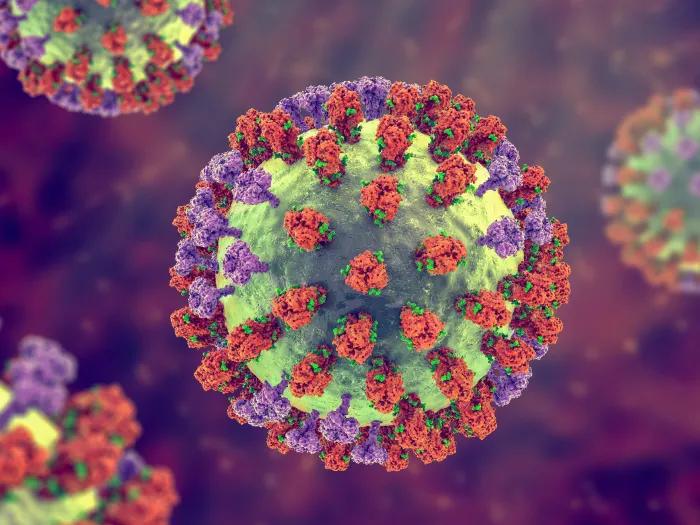
$10 million NIH-award establishes new U-M center to study genomics of infectious disease pathogens
A new NIH award will establish the Michigan Infectious Disease Genomics (MIDGE) Center, the goal of which is to use whole genome sequencing and functional genomic assays to determine how genetic differences among strains or isolates affect the behavior, transmission, and drug resistance of viral, bacterial, and fungal pathogens.

Health Lab
Circadian rhythm drives the release of important immune cells
A study shows circadian rhythm drives the release of important immune cells in the body.

Health Lab
Studies uncover the critical role of sleep in the formation of memories
Two new studies from University of Michigan reveal what's happening inside the brain during sleep and sleep deprivation to help or harm the formation of memories.
Health Lab
New drug could help those with CAH reduce the use of corticosteroids
Michigan Medicine researchers discover that a new drug could help those with CAH, or congenital adrenal hyperplasia, reduce the use of corticosteroids.

Health Lab
A universal heparin reversal drug is shown effective in mice
The newest version of the heparin reversal drug, described in a recent issue of Advanced Healthcare Materials, adjusted the number of protons bound to it, making the molecule less positive so it would preferentially bind to the highly negative heparin, resulting in a much safer drug.
Health Lab
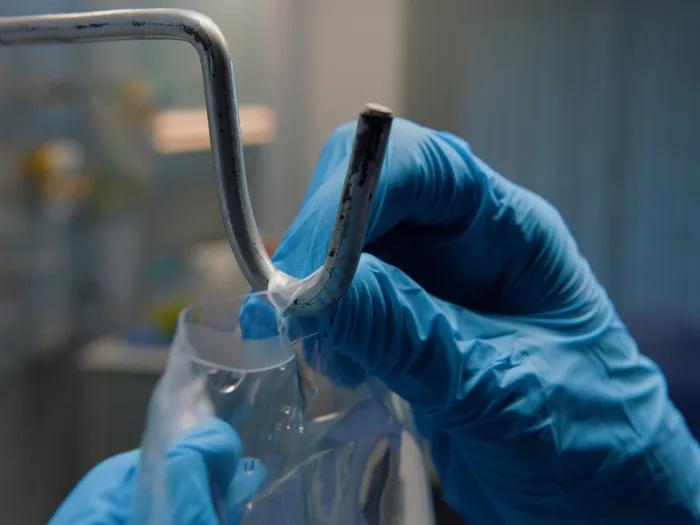
Commonly used antibiotic brings more complications, death in the sickest patients
In emergency rooms and intensive care units across the country, clinicians make split-second decisions about which antibiotics to give a patient when a life threatening infection is suspected. Now, a study reveals that these decisions may have unintended consequences for patient outcomes.
Health Lab
Too much iron can cause big problems for the immune system
A study builds on previous work that found depriving T cells of iron prevented cells from proliferating. The current study, published in PNAS, found that excess iron is just as problematic.

Health Lab
How E. coli get the power to cause urinary tract infections
Research published in PNAS examines how the bacteria Escherichia coli, or E. coli—responsible for most UTIs—is able to use host nutrients to reproduce at an extraordinarily rapid pace during infection despite the near sterile environment of fresh urine.

Health Lab
More oversight of donated tissue products urgently needed, say experts and Michigan policymakers
A JAMA viewpoint outlines the tragic story of Shandra Eisenga, a patient who received spine surgery for back pain only to inexplicably contract tuberculosis.

Health Lab
Data shows medical marijuana use decreased in states where recreational use became legal
Data on medical cannabis use found that enrollment in medical cannabis programs increased overall between 2016 and 2022, but enrollment in states where nonmedical use of cannabis became legal saw a decrease in enrollment
