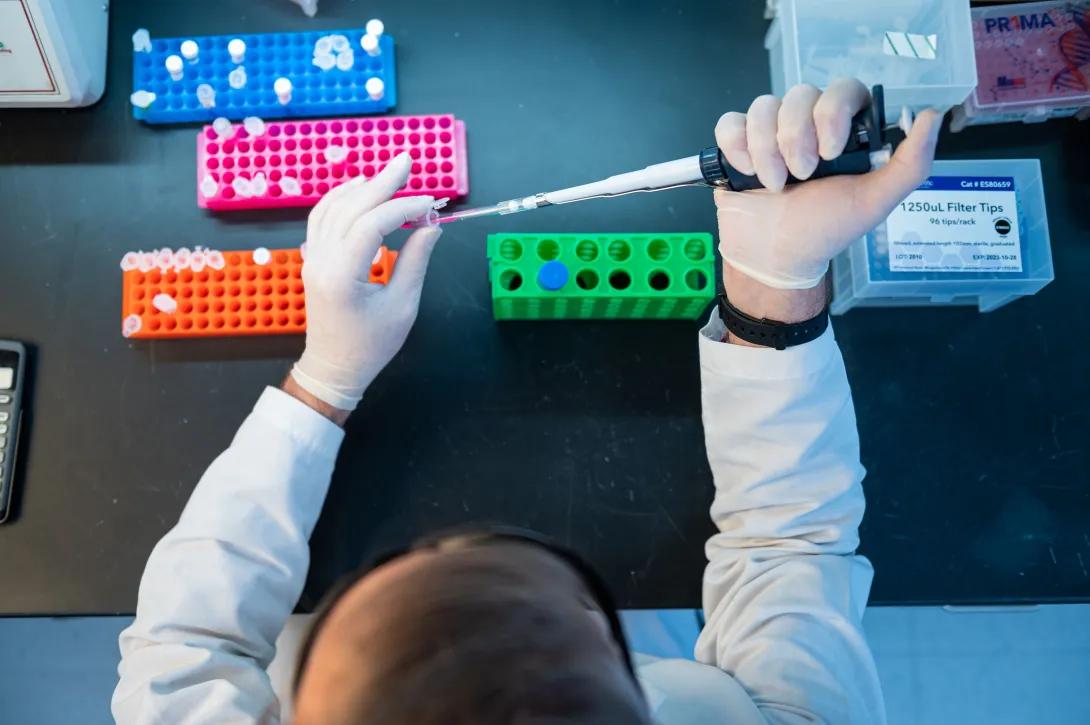
Biomedical Research Core Facilities Impact
We are committed to our mission of accelerating biomedical research.
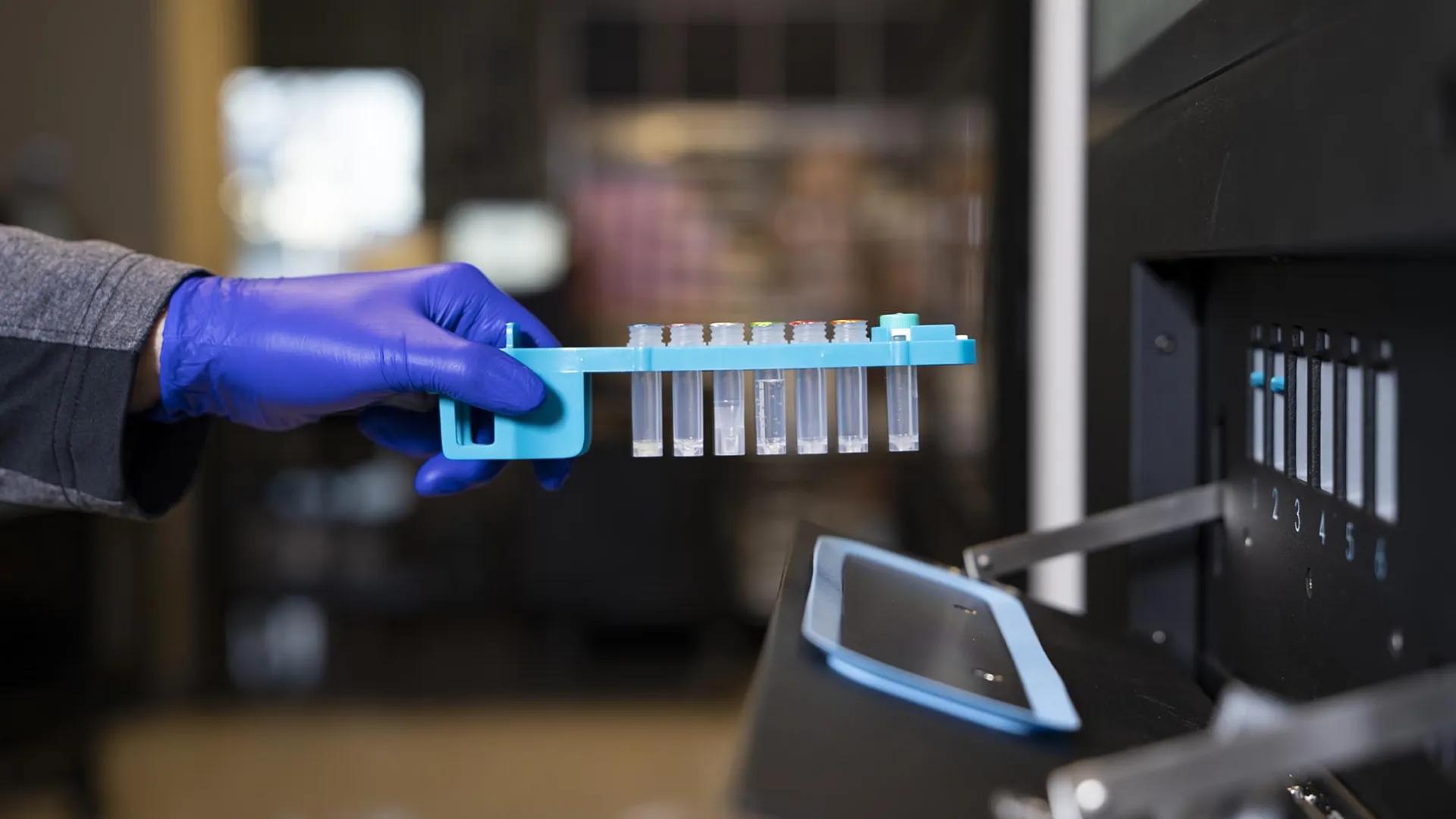
Empowering researchers with access to world-class resources and expert guidance
The Biomedical Research Core Facilities equip our research community with the tools, technologies, and expertise needed to drive innovative and impactful science.
Our work takes shape across four main pillars:
- Access to Tools and Technologies
We provide the shared instrumentation and cutting-edge platforms that faculty, trainees, and collaborators across campus rely on every day — from high-throughput sequencing and imaging to advanced proteomics and metabolomics. - Expert Scientific Guidance
Our cores offer deep expertise through consultations, training, and long-term scientific partnerships, helping researchers design rigorous experiments and interpret complex data. - Specialized Research Services
We deliver end-to-end services that enable labs to tackle sophisticated workflows, accelerate timelines, and expand their scientific reach. - Essential Research Materials
From reagents to consumables, our teams ensure that projects stay on track and research progress is never stalled by supply barriers.
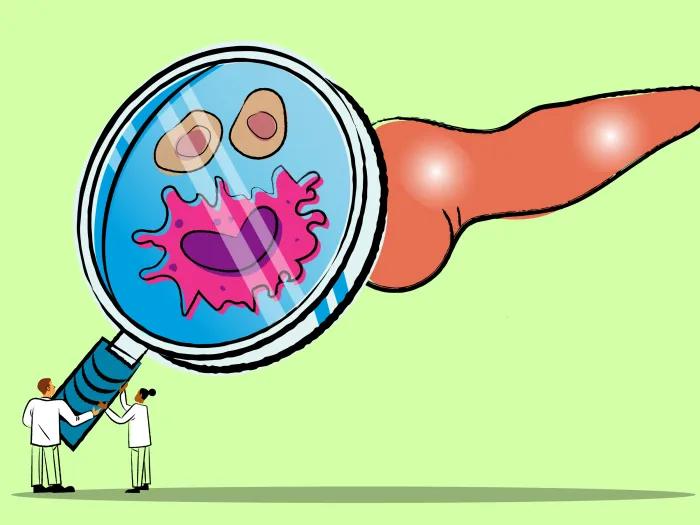
New dual-target drug may help overcome immunotherapy resistance in pancreatic cancer
The drug, SH-273, led to long-term tumor reduction in mouse models.
The Advanced Genomics, Flow Cytometry, and Microscopy Cores provided support for this research.
By the Numbers
Fiscal Year 2026
The Biomedical Research Core Facilities are essential for facilitating cutting-edge research, stimulating innovation, and increasing research productivity across various disciplines.

Metrics for Our Core Facilities
Use the links below to navigate to our impact numbers for individual cores.
Advanced Genomics
The BRCF Advanced Genomics Core (AGC) experienced significant growth across all service lines, expanded its single-cell and spatial analysis services and added new sequencing capabilities. Throughout the year, the core enhanced its automation capabilities, onboarded a second Xenium instrument, and expanded long-read sequencing capacity with the addition of a PacBio Vega sequencer. Community engagement efforts continued through monthly workshops covering the core’s four major workflows, nine vendor-led educational events, and the successful hosting of the second annual open house.
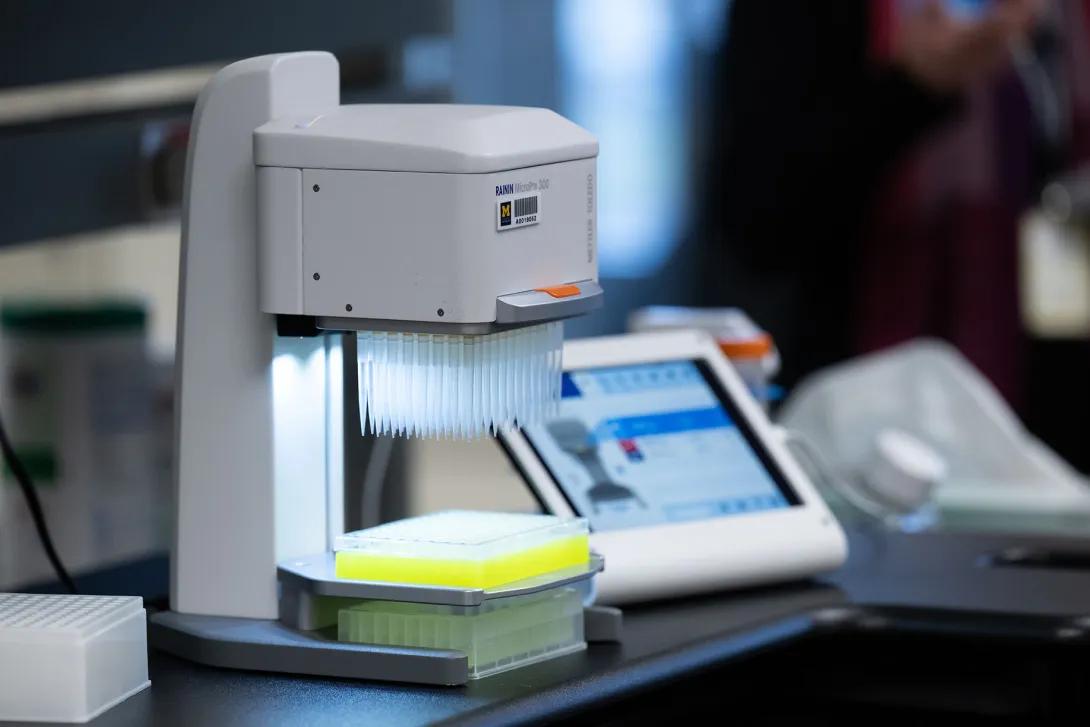
Bioinformatics
The BRCF Bioinformatics Core advanced research across the institution by expanding its analytical capabilities and adding several new analysis types to its portfolio. The core contributed to 121 grant submissions through recharge services and percent-effort collaborations. Its expertise was recognized in 11 peer-reviewed publications and through participation in six research partnerships supported by percent effort. The core also broadened its educational impact, training 198 participants through workshops and instructional sessions.
Learn how the Bioinformatics Core and the AGC are helping advance cancer research.

Epigenomics
The BRCF Epigenomics Core marked several major milestones. The core added three new services to its portfolio, expanding support for emerging research needs. It also hosted its first hands-on workshop in collaboration with the BRCF Bioinformatics Core, strengthening cross-core training and integration. Now in its second, the core continues to advance epigenomic research within the biomedical community.
Flow Cytometry
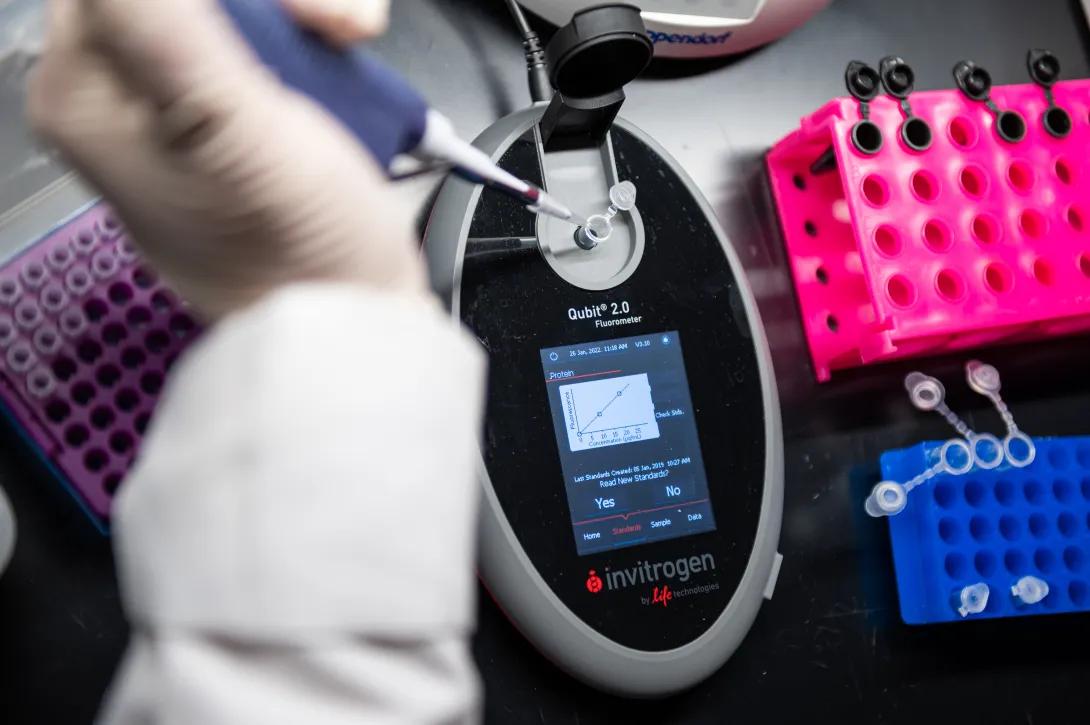
The BRCF Flow Cytometry Core advanced its mission of supporting researchers through both technical expertise and education. In addition to maintaining and operating instruments across multiple sites, the core provided twice-monthly onboarding lectures followed by customized hands-on training. It also hosted monthly Flow and Cookie sessions on Med and NCRC campuses, providing a forum for informal, user-driven discussions on relevant flow cytometry topics. The core further supported investigators through expert consultation on experimental and panel design, optimization, and validation.
Learn how the BRCF Flow Cytometry Core contributed to anti-cancer drugs.
Metabolomics
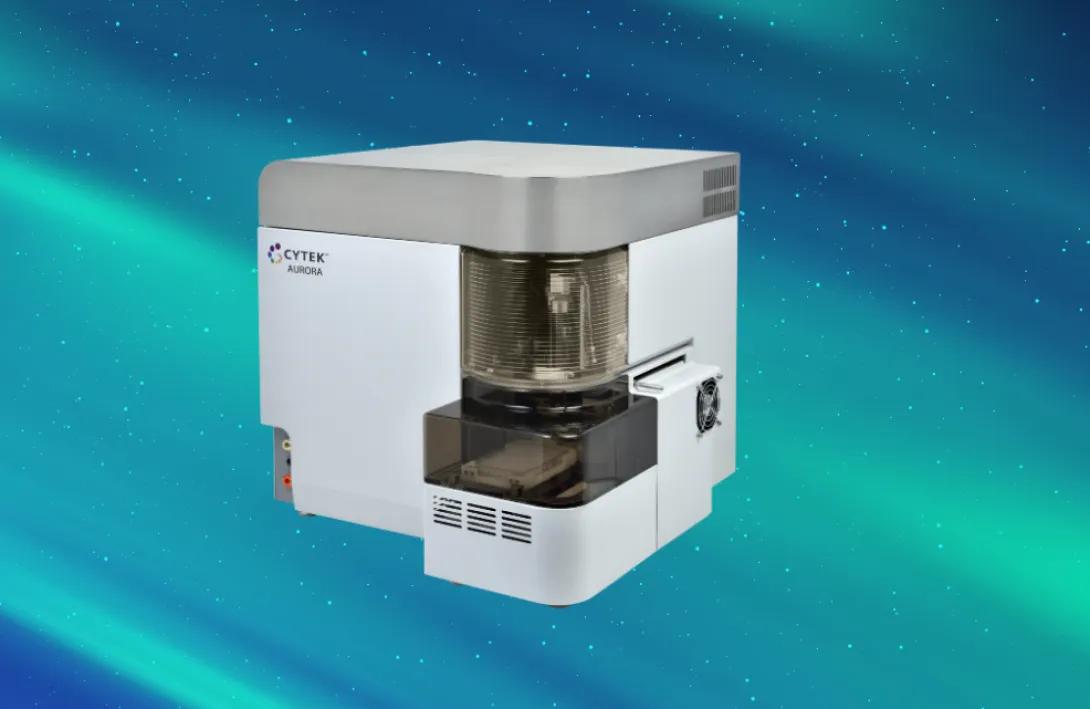
The BRCF Metabolomics Core refined its focus to better support smaller projects, with a median size of 27 samples, recognizing their importance in addressing fundamental biological questions and contributing to team science efforts. Core staff devoted significant time to assisting investigators with study design, sample preparation, and data interpretation. The core also increased flexibility in its assay offerings and expanded metabolite identification beyond standard reporting, strengthening its capabilities and positioning it for future large-scale collaborations.
Learn how the BRCF Metabolomics Core contributed to hearing loss research.
Microscopy
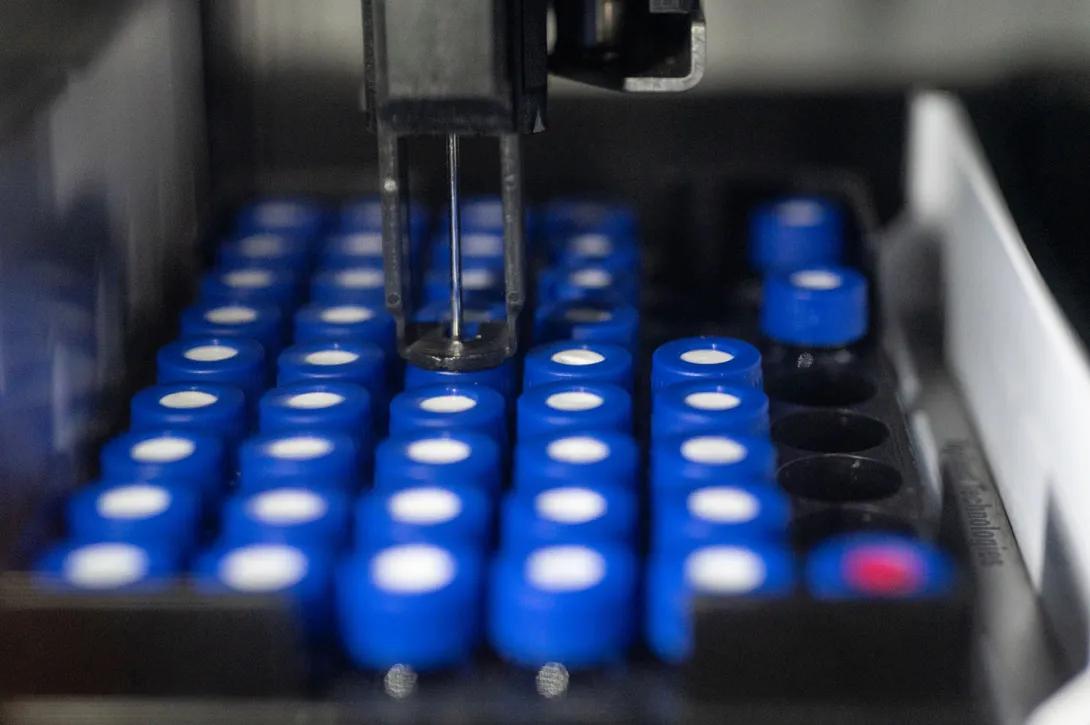
The BRCF Microscopy Core expanded user access and imaging capabilities at NCRC through the addition of two new instruments and the integration of a legacy system, supporting confocal, spectral, and super-resolution imaging, live-cell workflows, and advanced image analysis. User engagement increased with staffing four days per week. The core successfully renewed its Nikon Center of Excellence contract, saving approximately $200K per year in service costs. Additionally, the integration of the Yokogawa CellVoyager 8000 through a partnership with Dr. Jonathan Sexton expanded the core’s capacity for high-content imaging. The Microscopy Core integrated the Microscopy and Image Analysis Core (MIAC) at the Brehm facility into its network.
Learn how the BRCF Microscopy Core helped advance the treatment of cancer and genetic diseases.
Proteomics Resource Facility
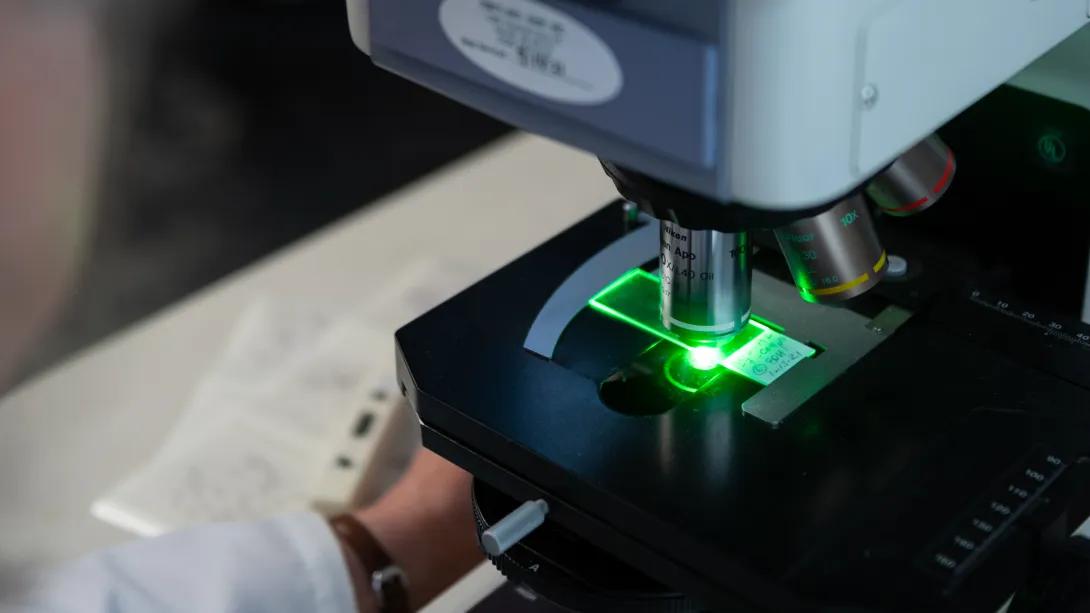
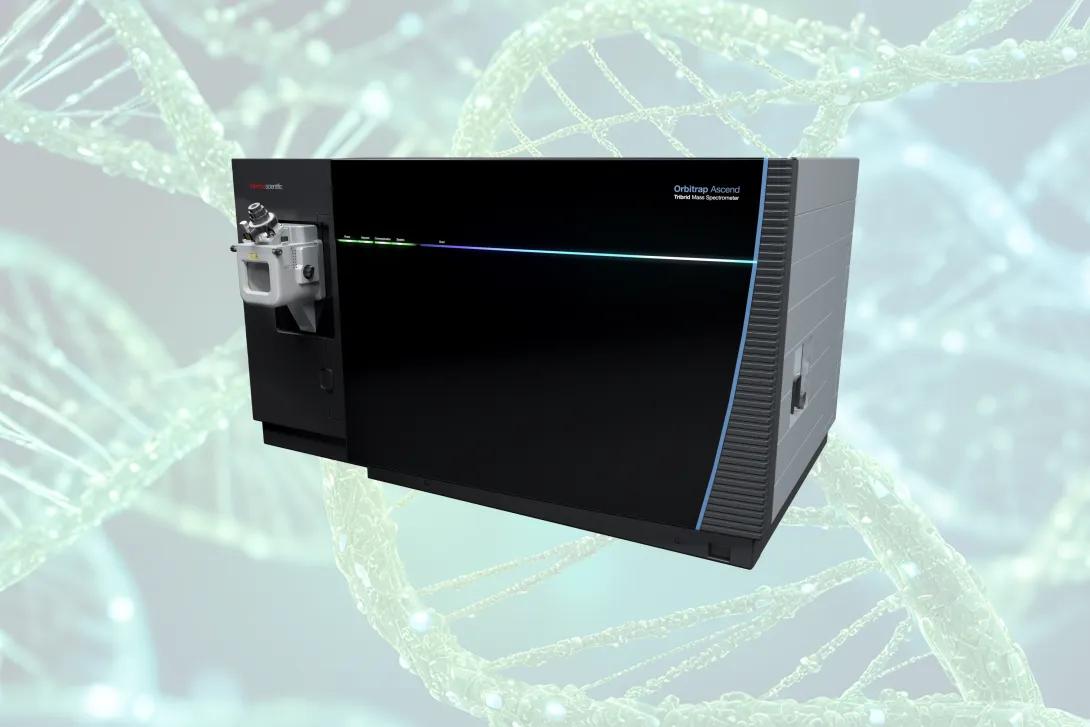
The BRCF Proteomics Resource Facility remained a leading center for mass spectrometry-based proteomics, supporting both basic and translational research. The facility expanded its staff to strengthen and grow key service areas, including glycoproteomics, quantitative workflows, and plasma/serum biomarker discovery. The Proteomics Resource Facility launched a plasma proteomics platform that opens new opportunities for biomarker research.
Research Store
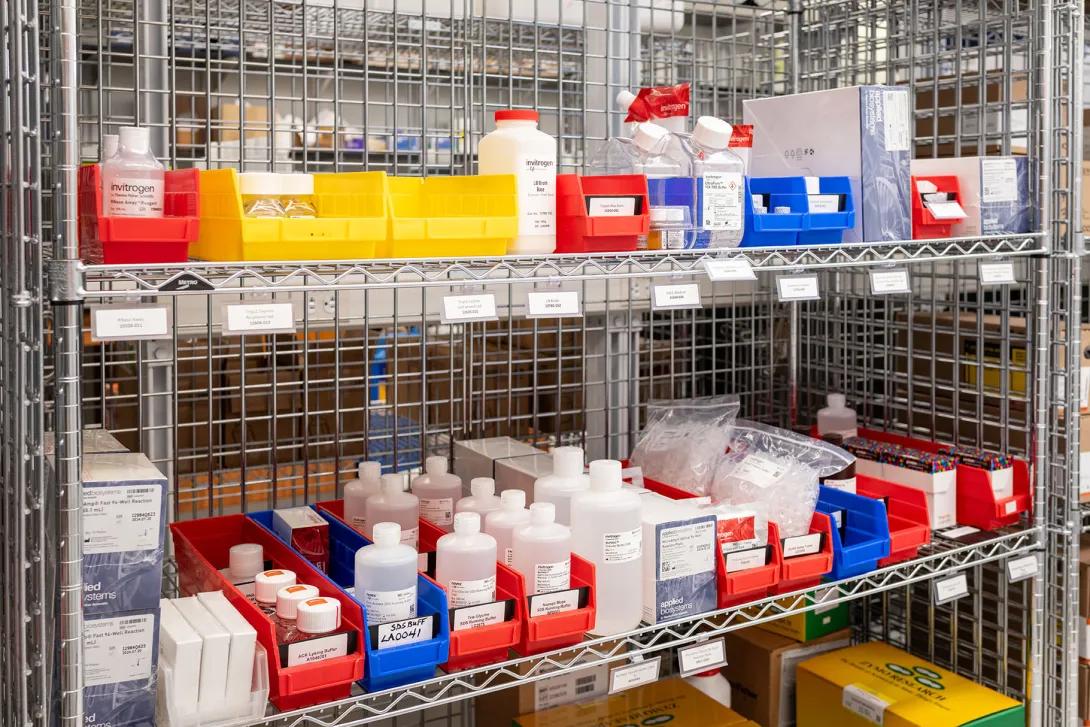
The BRCF Research Store continued to enhance its support for the campus research community, achieving 8% revenue growth. This growth was driven by the addition of USA Scientific and Genesee Scientific, along with a broader effort to expand consumable offerings. Order volume surpassed 21,000 annually (averaging 82 per workday), and the average sale value increased by 5%, reflecting stronger engagement from both new and returning customers. Additionally, the Research Store launched a new online ordering system.
Transgenic Animal Model
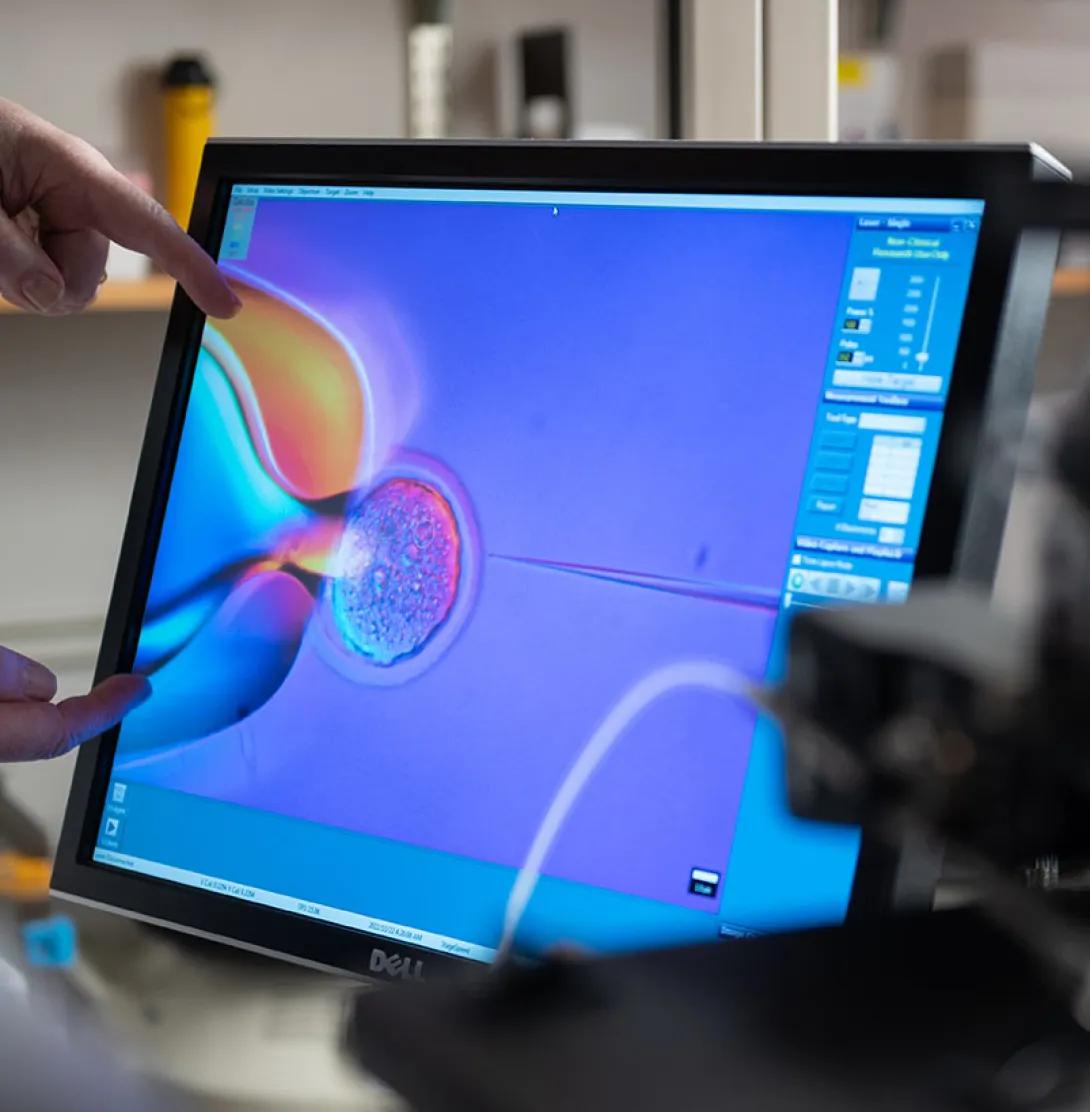
The BRCF Transgenic Animal Model Core (TAMC) focused on developing new services to address evolving research needs and ensure long-term sustainability. The core proactively adapted its workflows and integrated advanced technologies to enhance efficiency and expand its capabilities. In partnership with the BRCF Advanced Genomics Core, the TAMC implemented state-of-the-art long-read sequencing and bioinformatic pipelines, enabling highly accurate and comprehensive model validation. These advancements will underpin several new recharge services launching in FY26, including Long Read Amplicon Sequencing (LRAS), Multiplexed CRISPR/Cas9 Sequencing, TransgeneFinder for random integration analysis, and Mouse Model Validation for newly imported lines. The Transgenic Animal Model Core expanded its genetic model validation services.
Learn how the BRCF Transgenic Animal Model Core contributed to research on embryo development.
Vector
The BRCF Vector Core experienced a year of transition, focusing on essential equipment upgrades and workflow improvements. Several key instruments were replaced due to age and lack of available parts, and additional equipment was added to relieve production bottlenecks and improve reliability. These updates ensure that the Vector Core will continue to provide comprehensive gene transfer technologies and supporting services for years to come.
Learn how the BRCF Vector Core contributed to cancer therapy research.