
Nerve-Controlled Prosthesis
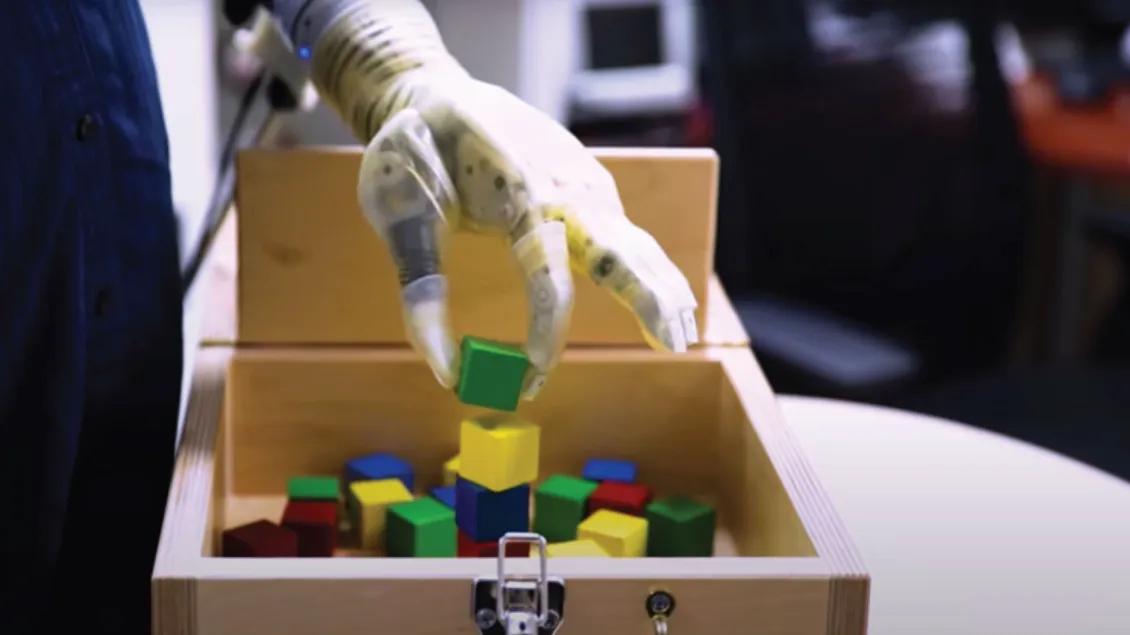
Helping patients with amputations
A groundbreaking nerve recording solution to enhance prosthetic control for amputees, with the potential for improving their daily lives and reducing pain.
This innovative research is funded for a second year by the Frankel Innovation Initiative, a $20 million fund made possible by a generous donation from the Maxine and Stuart Frankel Foundation that supports the research and development of life-saving therapies at Michigan Medicine. This project was renewed based on the successful completion of the Year 1 milestones and Year 2 milestones proposed.
Health Lab: It's like you have a hand again
Significant Need
At present, commercially available prosthetic hands have a lack of control signals and are limited to a single degree of freedom in their movement.
Compelling Science
The RPNI technique involves wrapping a thin sheet of autologous muscle around the end of a divided nerve. It takes approximately three months for an RPNI to mature. Neural signals can be recorded from the RPNI (100s to 1000s of μV) which are substantially greater than any motor signals recorded directly from peripheral nerves. The commercial system will consist of an implantable electromyography (EMG) recording device, wireless charger, prosthetic controller, and software application.
Competitive Advantage
The commercial system will be functionally far more advanced than any device currently used in any clinic or research group. In terms of prostheses that directly use nerve signals, signals from this technique are much larger, much more stable over time, and much safer to obtain in terms of nerve health. In addition, a primary benefit of this approach with implantable EMG recorded from RPNIs is that it can decode a large number of independent movements with a system that rarely needs to be recalibrated.
Overall Commercialization
- Intellectual Property: Patents for commercial system and a surgical tool; additional patents in progress
- Commercialization Strategy: Working with startup companies and major prosthetics companies
- Regulatory Pathway: Approved FDA Investigational Device Exemption; Pre-submission inquiry submitted
- Product Launch Strategy: Expand the experiments that can be included in the clinical trial, renewing the R01 grant
Milestones
- Redesign circuitry for implantable transceiver, data logging
- End-to-end system test using SmartLink socket and implantable sensing unit (ISU)
- Activities of daily living demonstration
- Full software suite available for use by a prosthetist
- Complete miniature version of ISU
- Complete initial prototype of leads
- Submit IDE amendment to use ISU in human experiments
- Submit FDA pre-sub on full manufacturing and testing of leads
WJR Michigan Answers: Dr. Paul Cederna
Paul W. Smith speaks with Michigan Medicine Chief of Plastic Surgery Dr. Paul Cederna about the revolutionary achievements in prosthetics and the advancements that might be next.
Innovators

Paul S Cederna
Professor of Surgery
Medical School and Professor of Biomedical Engineering
College of Engineering and Medical School
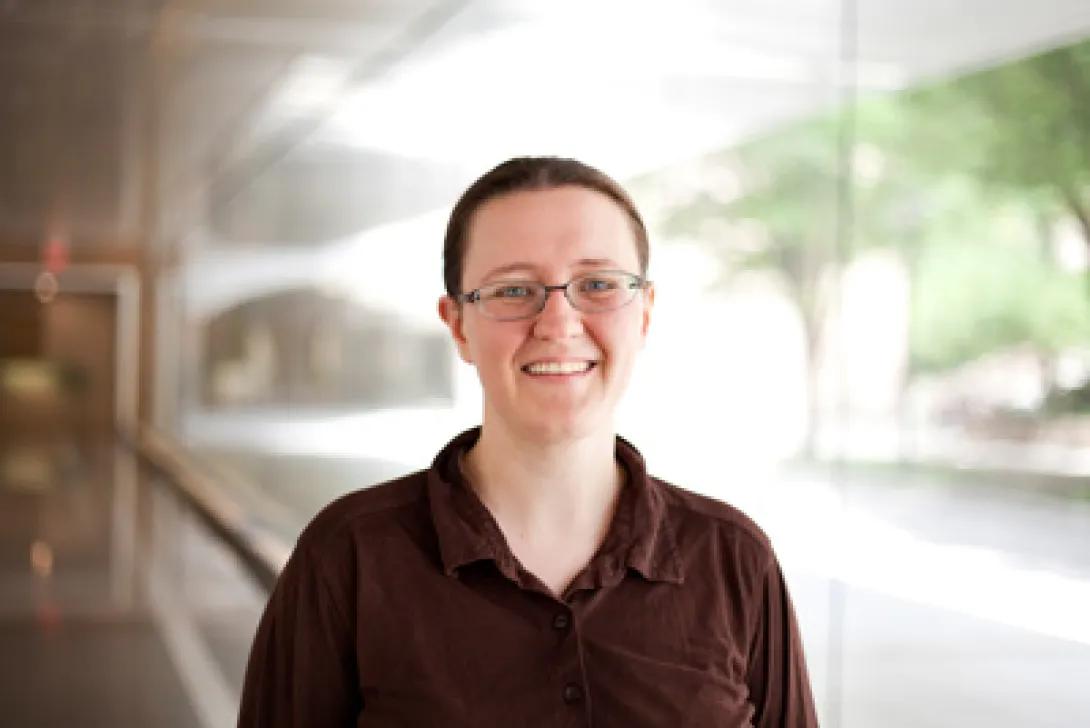
Cindy Chestek, PhD
Associate Professor, Biomedical Engineering
Project Team

Deanna Gates, PhD
Director, Movement Science
Director, Rehabilitation Biomechanics Laboratory
Associate Professor of Biomedical Engineering
Associate Professor of Robotics
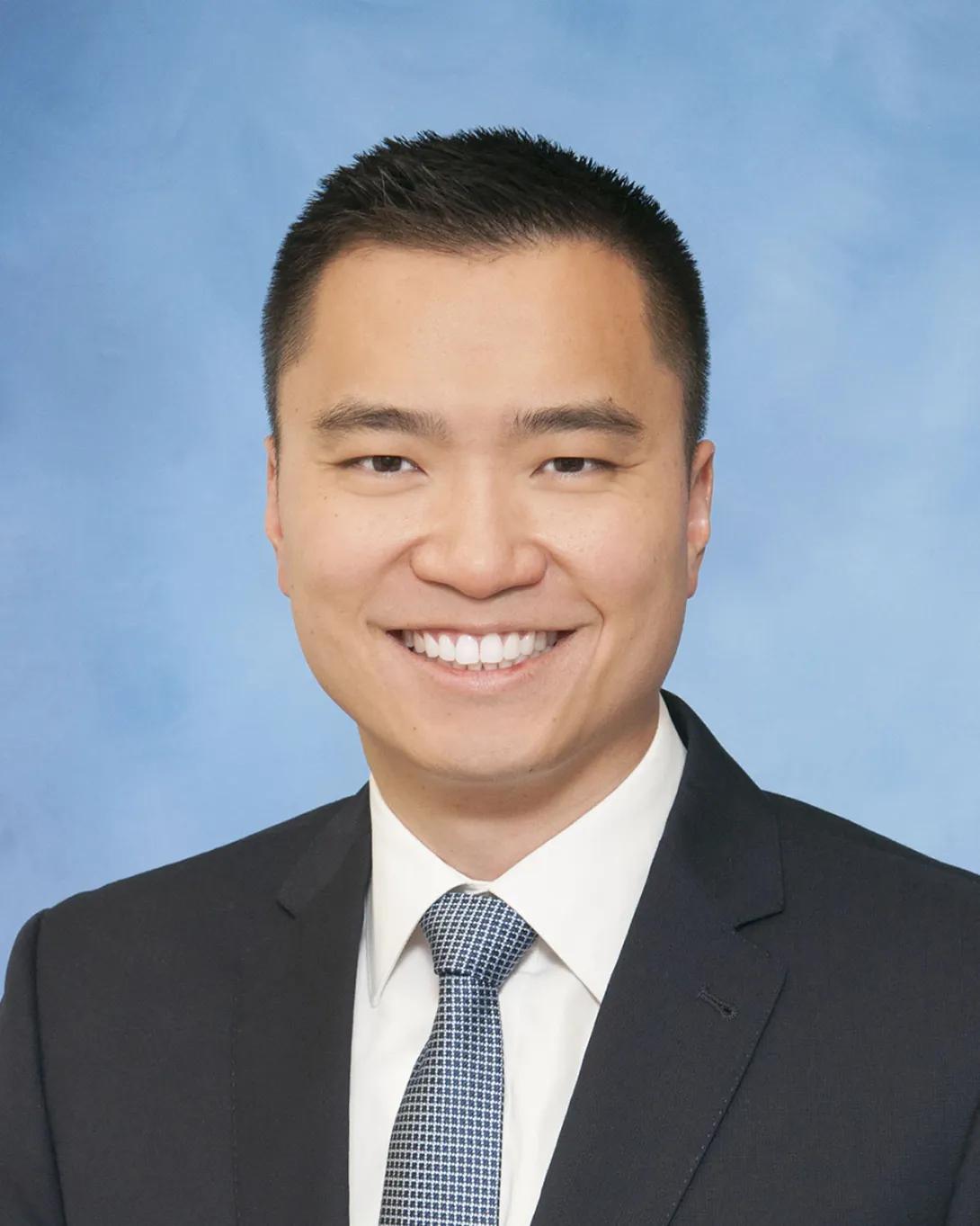
Theodore Kung, MD
Medical School
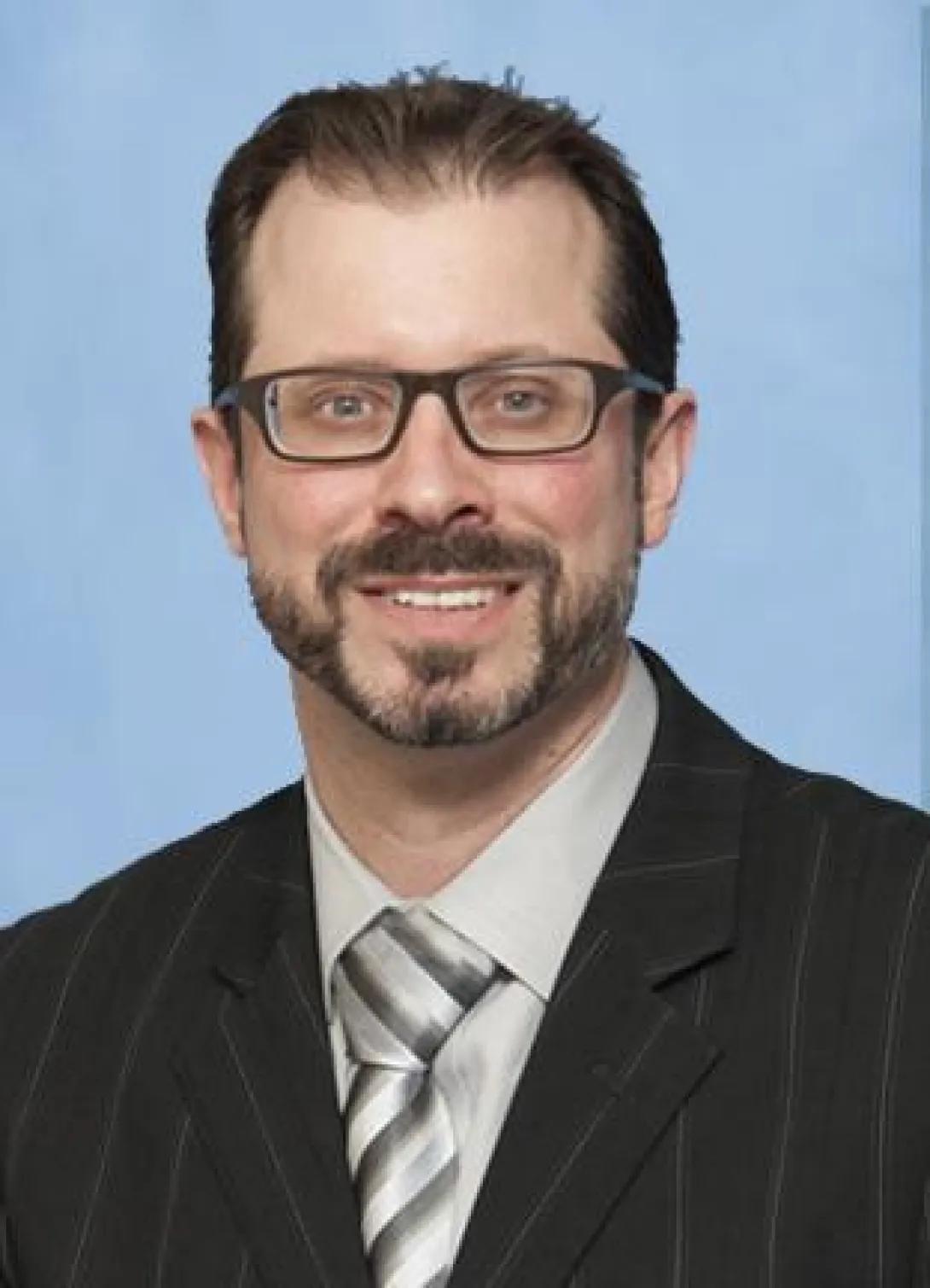
Stephen Kemp, PhD
Director, Neuromuscular Lab
