
Research | CC-PBTC
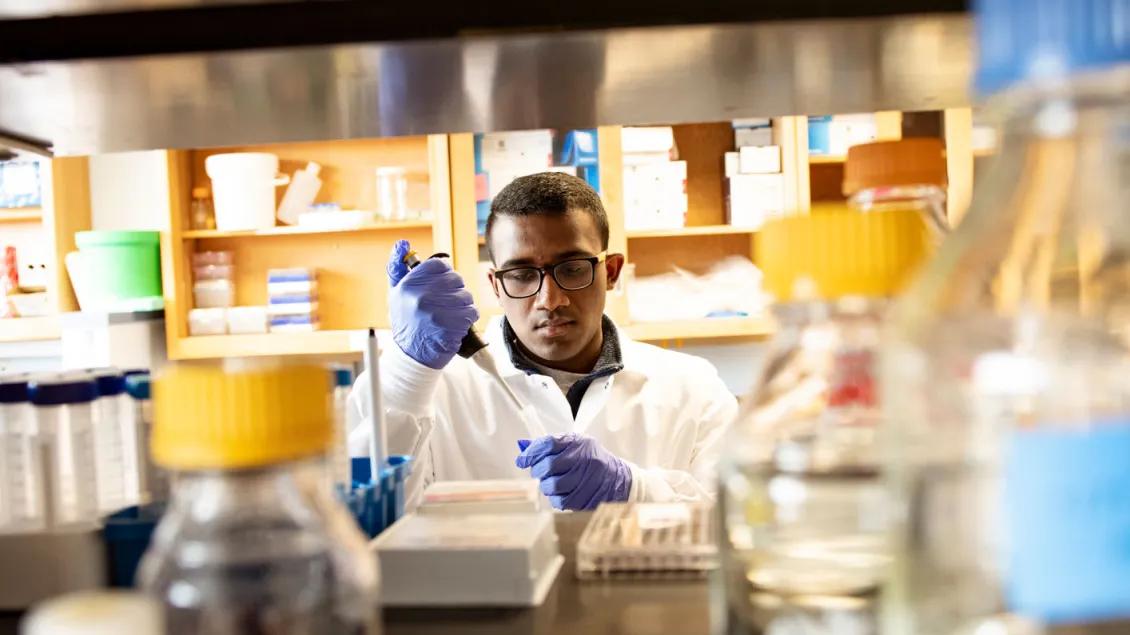
Pediatric Brain Tumor Research Areas
The Chad Carr Pediatric Brain Tumor Center is fueling discovery through innovative research programs on pediatric brain tumors, including DIPG and other high-grade gliomas, and developing distinctive research competences and infrastructure to support groundbreaking clinical trials.
Poised for rapid advances and accelerated translation to clinical practice, our current research is focused on several transformative research areas:
Histone H3K27-altered Diffuse Midline Gliomas (DMG)
- Lethal pediatric brain tumors that occur mainly in young children
- Arise in midline brain structures including the Pons [called Diffuse Intrinsic Pontine Gliomas (DIPG)], Thalamus, Cerebellum and Spinal Cord
- Our team has uncovered the genetics of these tumors and has developed biomarkers including liquid biopsy
- We have studied their biology, including metabolic states and epigenetics
- We have conducted preclinical and clinical studies for these tumors
Medulloblastoma
Malignant brain tumors primarily affecting children
Arise in the cerebellum/ hind brain
We have studied the biology of these tumors and conducted preclinical studies
Ependymoma
- Arise in the brain or spinal cord
- Majority of hemispheric tumors bear ZFTA-fusion
- Posterior Fossa ependymomas that arise in children are mainly Group-A (PFA) tumors
- We have developed biomarkers for these tumors
- We have studied their biology with the goal of developing new treatments
High-Grade gliomas
- Malignant brain tumors that occur in children and adolescents
- Many of these high-grade gliomas have mutations in epigenetic factors, including histone H3G34R/V and ATRX mutations
- Our studies have shown promising preclinical leads to treat these tumors
- Many are driven by PDGFRA and we have conducted both clinical and preclinical studies in these tumors
Atypical Teratoid/ Rhabdoid Tumors (ATRT)
- Malignant childhood brain tumors bearing epigenetic mutations involving the SWI/SNF complex chromatin remodeler
- Majority of tumors show genetic alterations in the gene SMARCB1
- Our work has shed light on the biology of these tumors
- Immunology is the key to harnessing the power of a patient’s own immune system to target and kill their tumor.
- Recent studies suggest that pediatric brain tumors, including DIPG, initiate signals to the immune system that allow the tumors to escape killing. U-M scientists are investigating a number of promising immunologic approaches, including identifying which genetic mutations in DIPG can be targeted in each patient to restore immune function, either alone or in combination with other immunotherapeutic methods.
- The development of chimeric antigen receptor T cells is a promising new type of cancer therapy. CAR-T treatment helps the patient’s own body and immune system to target the tumor. Our Center opened the first brain tumor CAR-T trial in the Midwest in 2025 for DIPG/DMG and recurrent brain tumors.
- Drs Castro, Lowenstein and Franson lead a Phase 1 trial in recurrent high risk brain tumors that will use modified viruses to activate the immune system to kill pediatric brain tumor cells
CC-PBTC scientists are studying the highest-risk pediatric brain tumors, and their discoveries are increasingly being translated into clinical trials, some of which are showing early efficacy in patients. The primary long-term focus of the CC-PBTC is long-term survival in these most difficult-to-treat childhood cancers.
- Researchers discover new protein target for childhood medulloblastomas
- Re-purposed FDA-approved drug could help treat high-grade glioma
- Study finds improved survival for incurable brain tumor, providing 'a crack in the armor'
- H3K27M Interactome Mapping to Discover Novel DIPG Therapeutic Targets
- Metabolic approaches to combat DIPG
Clinical trials are the mechanism through which scientists and physicians test the newest, most promising treatment advances to determine their effectiveness.
Building on the outstanding success of our pediatric phase 1 trial portfolio, we are aggressively expanding our pediatric brain tumor clinical trial offerings.
More on clinical trials:
The U-M Brain Tumor Bank includes 100s of pediatric neurological tumor specimens — an enormous resource which has fueled research not only here at U-M but also for national multi-center collaborations.
U-M’s investment and expertise in genetic sequencing of tumor tissues has positioned us as one of the world’s destinations for sophisticated epigenetic analysis.
We are expanding our brain tumor tissue bank to include more and better characterized pediatric brain cancer specimens, with a goal of shedding important light on DIPG and other brain tumors. By expanding and further developing a pediatric brain tumor bank including all types of tumors, we will greatly improve our ability to make important discoveries and progress in uncovering novel treatments for DIPG.
Research Advisory Board
Donna M Martin, MD, PhD
Chair, Department of Pediatrics
Professor of Pediatrics and Professor of Human Genetics
Medical School
Eric R Fearon
Director, University of Michigan Rogel Cancer Center
Associate Dean for Cancer Programs
Professor of Internal Medicine
Professor of Pathology
Professor of Human Genetics
Medical School

Sung W Choi, MD, MS
Professor of Pediatrics
Medical School

Andrzej A Dlugosz, MD
Associate Chair, Department of Dermatology
Associate Director for Basic Science, Rogel Cancer Center
Professor of Dermatology and Professor of Cell and Developmental Biology
Medical School
Theodore S Lawrence
Medical School

Rajen Mody, MBBS
Clinical Professor of Pediatrics
Medical Director and Division Director
Pediatric Hematology/Oncology
Medical School

Karin M Muraszko, MD
Medical School

Valerie Paula Opipari, MD
Medical School

Parag G Patil, MD, PhD

Pavan R Reddy
Medical School
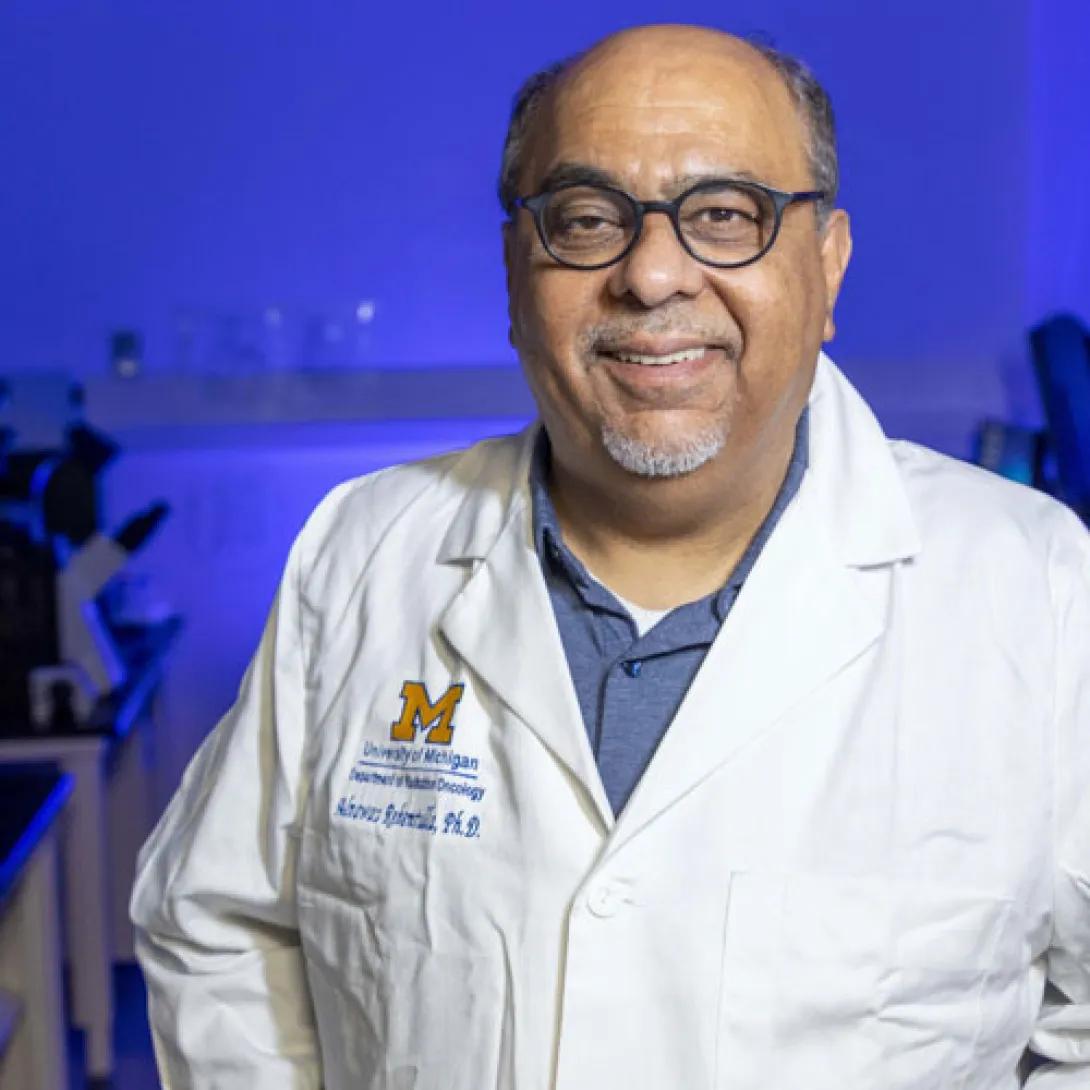
Alnawaz Rehemtulla, PhD
Medical School
Faye Silverstein, MD
Professor of Neurology
Medical School
