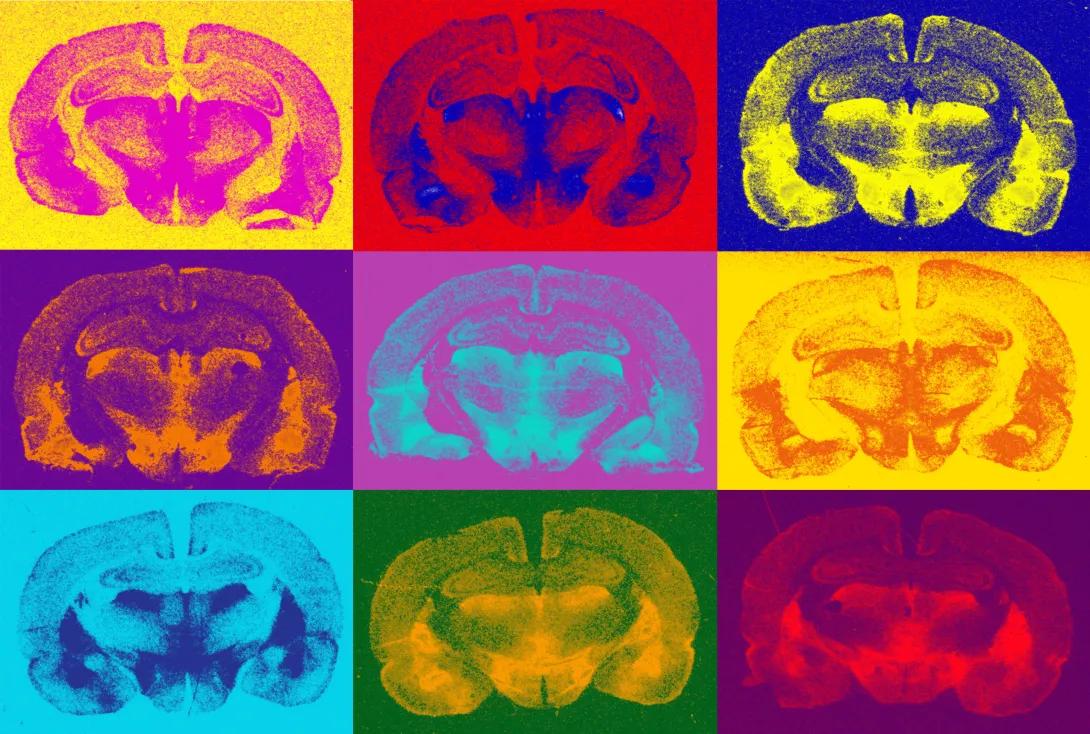
Research | Neurotrauma & Social Impact Research Team
From lab into the real world: Research outcomes that define brain injury, recovery, and community well-being.
Scientific Contributions and Research Focus
Our lab’s research focuses on understanding how traumatic brain injury disrupts neural circuits, how these disruptions drive cognitive, sensory, and behavioral symptoms, and how injury biology can be leveraged to improve diagnosis, rehabilitation, and public health response. This work integrates mechanistic discovery, translational intervention development, and social impact, with particular emphasis on populations at increased risk for brain injury.
Contributions to Science
The lab has made a series of foundational contributions that shape how traumatic brain injury is identified, studied, and translated into clinical and public‑health contexts.
- Re‑establishing rod microglia as a functional phenotype in neurological disease
Rod‑shaped microglia, a cellular phenotype largely absent from modern neuroscience, were reintroduced into contemporary research through the discovery of their association with neural circuits following diffuse brain injury. This work renewed scientific attention to rod microglia, enabled the development of tools to identify and study this morphology, and positioned these cells as key contributors to inflammation‑driven circuit pathology across injury and neurodegenerative disease. - Defining the Fencing Response as an objective indicator of traumatic brain injury
Integration of experimental neurotrauma models with real‑world observations led to the definition of the Fencing Response as a visible marker of moderate traumatic brain injury involving midbrain and brainstem circuitry. Recognition of this response enabled objective identification of TBI in athletic and field settings and has informed clinical guidelines as well as public awareness. - Linking sensory circuit disruption to rehabilitation‑responsive plasticity
Clinically relevant models of diffuse injury revealed how traumatic brain injury dismantles and reorganizes sensory circuits, producing persistent sensory sensitivity and agitation. These findings established a mechanistic framework for developing rehabilitation paradigms that leverage experience‑dependent plasticity, supporting expansion from sensory systems into cognitive domains. - Establishing post‑traumatic sleep as a biological indicator of injury progression
Post‑injury sleep was defined as a regulated biological response driven by inflammatory signaling rather than a harmful consequence of trauma. This work reframed sleep as a disease‑monitoring biomarker and informed both scientific programs and public understanding of early recovery following brain injury. - Advancing recognition of intimate partner violence and pregnancy as causes of traumatic brain injury
Intimate partner violence was reframed as a major, under‑recognized cause of traumatic brain injury, particularly when assaults target the head, neck, and face. Extension of this work to pregnancy—when assaults often increase in frequency and severity—led to focused investigation of gravida TBI, revealing transgenerational effects on neurobehavioral and circuit development in offspring.
Mechanistic Studies
Foundational studies define the biological mechanisms that drive injury progression and recovery following traumatic brain injury (TBI), with emphasis on neuroinflammation, circuit remodeling, and vascular dysfunction.
- Neuroinflammation, vascular dysfunction, synaptogenesis
Our team investigates how inflammatory signaling alters synapses, vascular integrity, and cellular interactions after injury. This includes defining distinct microglial phenotypes—such as rod‑shaped microglia—that associate with specific neural circuits and represent targets for therapeutic modulation. - Brain circuit disruption and repair after TBI
Using clinically relevant models of diffuse injury, this work examines how trauma dismantles and reorganizes sensory and cognitive circuits, linking circuit‑level pathology to sensory sensitivity, agitation, and behavioral dysfunction. - Time lapse videomicroscopy of cortical injury and recovery
Long‑duration, unsupervised in vivo imaging enables tracking of injury evolution and repair dynamics over time, providing mechanistic insight into cellular and circuit‑level recovery processes.
These mechanistic studies provide the biological foundation for objective biomarkers, rehabilitation strategies, and translational interventions.
Translational and Clinical Research
Building directly from mechanistic discovery, the lab develops and tests interventions that harness neural plasticity and biological signals to improve recovery after brain injury.
Psychedelic assisted cognitive rehabilitation using a spatial exploration task
Research evaluates how psychoplastogenic compounds enhance neural receptivity to rehabilitation, supporting cognitive recovery during chronic stages of TBI.
Virtual cognitive rehabilitation (VCR) for Veterans with cognitive impairment
Laboratory‑validated rehabilitation paradigms have been translated into a human‑centered virtual reality platform, enabling scalable deployment of spatial cognitive rehabilitation on commercial headsets.
Clinical blood-based biomarkers of recovery
Ongoing studies identify peripheral biomarkers linked to inflammation, sleep, and neurovascular function to support objective monitoring of injury progression and therapeutic response.
Population data for TBI in specific populations - Veterans, children, partner inflicted brain injury, pregnancy
Clinical and population‑level data are integrated to study brain injury in Veterans, children, individuals exposed to partner‑inflicted violence, and during pregnancy. A major focus is understanding the transgenerational impact of traumatic brain injury during pregnancy (gravida TBI) on offspring brain development.
Social Impact
A central goal of the lab’s work is to address real‑world consequences of brain injury through improved awareness, access to care, and evidence‑informed policy.
- Health care disparities, policy, and advocacy to improve access to care and resource allocation
Research and outreach efforts aim to improve access to care and resource allocation for populations disproportionately affected by traumatic brain injury, including survivors of intimate partner violence and underserved clinical populations. - Data analytics to bridge clinical observation and research
Clinical observations, experimental findings, and population‑level data are integrated to inform evidence‑based frameworks that support clinical practice, public education, and policy development.
This work has contributed to broader recognition of under‑identified forms of traumatic brain injury and informed changes in clinical awareness and practice.
Techniques
Our lab employs an integrated set of experimental, behavioral, and analytical approaches to study injury biology and recovery.
- Rodent models of TBI, including injury biomechanics
- Rodent neurological testing of cognitive, somatic, and affective symptoms
- Long duration, unsupervised, time lapse in vivo imaging
- Quantitative histology, molecular assays, and protein analysis
- Data science, flow cytometry
These techniques support multiscale analysis—from molecules to circuits to behavior—enabling rapid translation from discovery to intervention.