

Health Lab
FDA approved drug slows type 1 diabetes progression in 5-year-old patient
After a family history of type 1 diabetes led to early screening through TrialNet, 5-year-old Trevor became Michigan's youngest patient to receive delay-inducing drug TZIELD.

Health Lab
Patient with rare form of diabetes finds answers in genetic testing, clinical trials
Discover how genetic testing and a groundbreaking clinical trial helped one man overcome rare hyperchylomicronemia, high triglycerides, and pancreatitis.

Health Lab
Treatment with norrin helped maintain healthy blood vessels, preserved vision in diabetic rats
Study reveals norrin treatment prevents vision loss from diabetic retinopathy in early and late stages, paving the way for new therapies.

Health Lab
Gene editing is coming for common diseases. Are we ready?
Gene therapies may offer one-time treatment for disease, but experts say safety, reversibility, cost and long-term monitoring must guide use.

Minding Memory
Is the United States Lagging Behind Europe in Memory Improvement?
In this episode, Lauren & Matt speak with Neil Mehta, PhD who is the associate dean for research and a professor in the Department of Epidemiology at the University of Texas Medical Branch in Galveston. Dr. Mehta’s research focuses on US life expectancy trends, the effects of obesity on disability and mortality, the sources of socioeconomic status disparities in mortality, and patterns of health in the United States and Europe.
Dr. Mehta talks about a recent manuscript from the NIA-funded TRENDS study called “Trends in Memory Function and Memory Impairment Among Older Adults in the United States and Europe, 1996 to 2018.”, which looks at data from several sources to compare trends in memory function across 13 different countries.

Health Lab
Using genetic testing, doctors help patient find answers for her diabetes
For 30 years Autumn Caris thought she had type 1 diabetes. After learning about MODY, a rare and often misdiagnosed type of diabetes, she finally got answers at U-M.

Health Lab
Supplementing with peptides: Good for extra pep or a needless step?
Health Lab talks to Jorge Ruas, Ph.D., of the U-M Department of Pharmacology, about peptides, how they work and whether supplementing them lends any benefit.
Health Lab
A unique patient case inspiring research
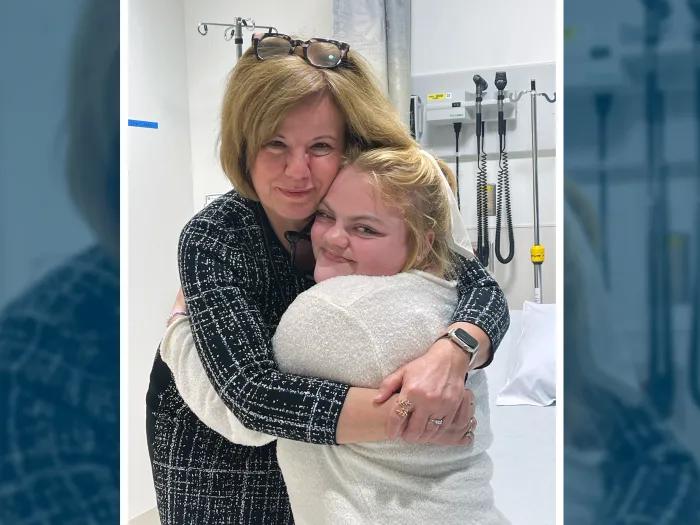
Mallory Mattison serves as the inspiration behind critical medical research that’s supporting other patients like her with lipodystrophy syndromes

Health Lab
New hope for early diabetes detection
The research offers an actionable monitoring method that may guide the administration of current and emerging therapeutics more effectively than the current diagnostics that only assess disease risk or detect disease after destruction of insulin producing cells.

Health Lab
Researchers uncover why a rare disease resulting in abnormal fat loss can also lead to diabetes
With help of patients with FPLD2, a research team has finally found some answers to why familial partial lipodystrophy can lead to diabetes and metabolic disease.

News Release
Six U-M medical research teams picked for virtual science tournament
The March Madness of science, called STAT Madness, brings attention to scientific research at U-M and around the nation; six U-M-led teams have made it to this year's tournament run by a health news organization.

Research News
Weil team’s publication the second most downloaded in critical care-focused medical journal
The study’s authors speculate that the recognition by CHEST Critical Care could indicate a rising interest in critical care research led by emergency departments.

Well-Being at Michigan Medicine
Purpose as a Foundation for Well-Being in Health Care
*Content warning: While well-being and purpose is the main topic, the following conversation does contain material related to the loss of a child and mental health that some might find distressing. Listener discretion is advised.
Dr. Vic Strecher of U-M Public Health joins host Dr. Elizabeth Harry to explore why purpose is a powerful driver of well-being, resilience and professional fulfillment. Strecher shares personal reflections, groundbreaking research and practical strategies—including the SPACE framework (sleep, presence, activity, creativity and eating)—to help clinicians and organizations reconnect with their “why.” From preventing burnout to managing energy and attention, this conversation highlights how aligning personal and organizational purpose can transform health care work and support lasting well-being.

Health Lab
Podiatry clinic helps patient with recurring foot ulcer
Marcia Sherman, a patient with diabetes, dealt with a recurring foot ulcer for more than two years before having surgery that cured her wound.

Health Lab
Helping patients with diabetic foot disease
Diabetes-related foot complications are the most common cause of non-traumatic amputations in the United States. The Michigan Lower Extremity Services clinic at the University of Michigan Health is a multidisciplinary diabetic foot clinic that offers a comprehensive approach to managing diabetic foot disease.
