
Health Lab
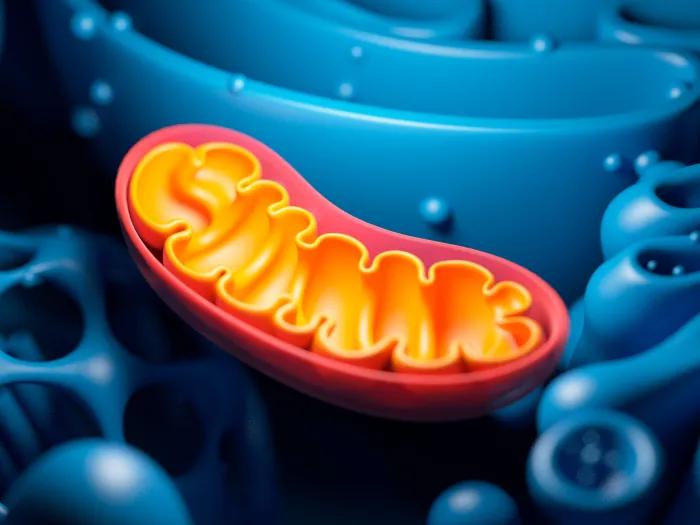
Mitochondria may hold the key to curing diabetes
Mitochondria are essential for generating energy that fuels cells and helps them function. In a new study researchers used mice to show that dysfunctional mitochondria also trigger a response that affects the maturation and function of β-cells.

Health Lab Podcast
Do penile implants work for erectile dysfunction?
For people with erectile dysfunction, penile prosthesis surgery provides a safer, and more successful treatment option, than you might think.

Health Lab
National Diabetes Prevention Program saves costs for enrollees
The National Diabetes Prevention Program was created by the Centers for Disease Control and Prevention in 2010 to offer an effective way to help prevent type 2 diabetes. U-M researchers evaluated the uptake and outcomes of the National DPP and found that enrollees saved in medical costs and had a reduced risk of developing type 2 diabetes.

Health Lab
Preserving an artist’s vision after diabetic retinal disease
Kim Hartman is an artist with Type 1 diabetes. She started developing vision problems and doctors at Michigan Medicine helped her slow the vision loss and manage it.

Health Lab
Nerve damage reduced in prediabetic mice with diet, exercise
A low calorie diet and high intensity exercise can reduce nerve damage in prediabetic mice, according to a Michigan Medicine study.
Health Lab Podcast
Growing numbers of diabetic retinopathy in kids
Research highlights alarming rates of diabetic retinopathy; an ophthalmologist shares what to know.
Health Lab
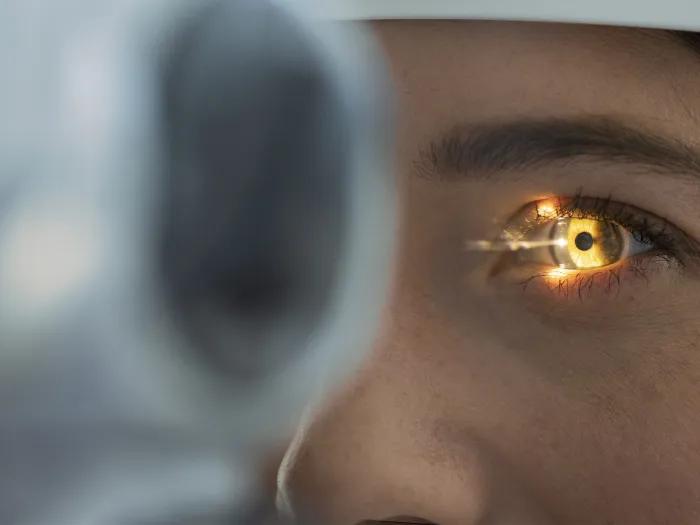
Diabetic retinopathy is being diagnosed more in younger patients
Although previously rare in young people with diabetes, an editorial in JAMA Ophthalmology notes that diabetic retinopathy is increasing in younger patients, urging clinicians to remain vigilant of symptoms.

Health Lab
Could GLP1RA drugs lower high iron levels?
GLP1RA drugs are used to treat obesity as well as type 2 diabetes. Research from University of Michigan Health finds that these drugs can also be effective in treating high iron levels, a cause and symptom of type 2 diabetes.

Health Lab
Drug used for alcoholism shows potential for stopping inflammatory disease
A study shows that disulfiram, known for causing severe hangover symptoms by blocking alcohol breakdown, also inhibits the inflammatory NLRP3 complex.

Health Lab
Older adults want to cut back on medication, but study shows need for caution
The idea of deprescribing is popular among older adults who take prescription drugs, especially those taking medication for symptomless conditions like high blood pressure.

Research News
NeuroNetwork Fellow Receives Diabetes Award
Mohamed Noureldein, Ph.D., was named an inaugural Brehm-Concordia Scholar.

Research News
Dr. Feldman Named 2024 WIELD Trailblazer
Women Inspiring and Elevating Leadership in Diabetes (WEILD) named Eva Feldman, M.D., Ph.D., as a woman shaping diabetes and metabolism research and care.
Health Lab
Young people are increasingly using Wegovy and Ozempic
A national study from Michigan Medicine shows that the use of these weight loss drugs is increasing rapidly in adolescents and young adults 12-25 years, especially females.
Health Lab
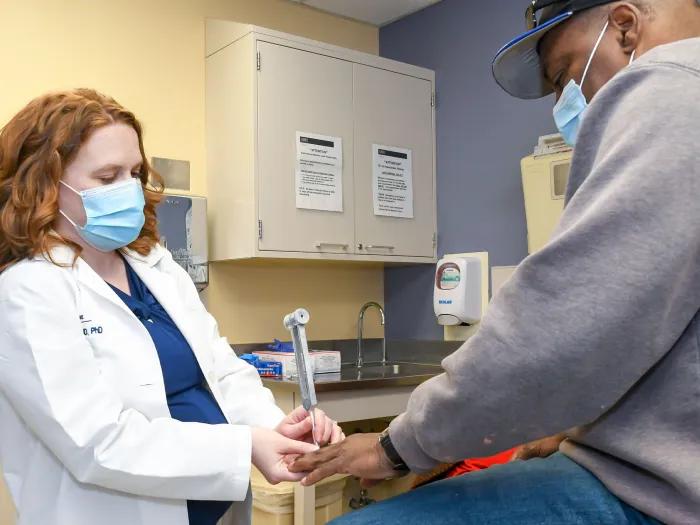
Neuropathy common, and mostly undiagnosed, among patients in this Michigan city
A research team, led by Michigan Medicine and in partnership with Hurley Medical Center, finds that nearly three-quarters of patients at a clinic in Flint, Mich., a community that is predominantly Black and socioeconomically disadvantaged, had neuropathy — of which 75% was undiagnosed.

The Fundamentals
Treating Diabetes & Weight: The Ozempic & Wegovy Effect
Today on The Fundamentals, our guest Dr. Martin Myers, Director of the U-M Elizabeth Weiser Caswell Diabetes Institute, discusses diabetes research in the context of Ozempic, Wegovy, and other drugs that are changing how people think about weight loss.
