About Learning Health Sciences
Explore The Concept of Learning
Join us in revolutionizing learning and transforming health.
Our Mission
The Department of Learning Health Sciences (DLHS), a basic science department in the University of Michigan Medical School, focuses on revolutionizing learning and transforming health through the advancement of the sciences that make learning effective, routine, and sustainable—at scales from individuals to systems that span states and nations.
Our Vision
The Department of Learning Health Sciences embraces a bold and transcendent vision of learning.
Once exclusively associated with attaining knowledge and skills by individuals, entities that learn now can be individuals, groups, organizations, regions, states, and entire nations. Once restricted to a specific time and location, learning occurs continuously everywhere.
Learning is no longer an activity with a single endpoint but a critical element of a virtuous continuous improvement cycle.
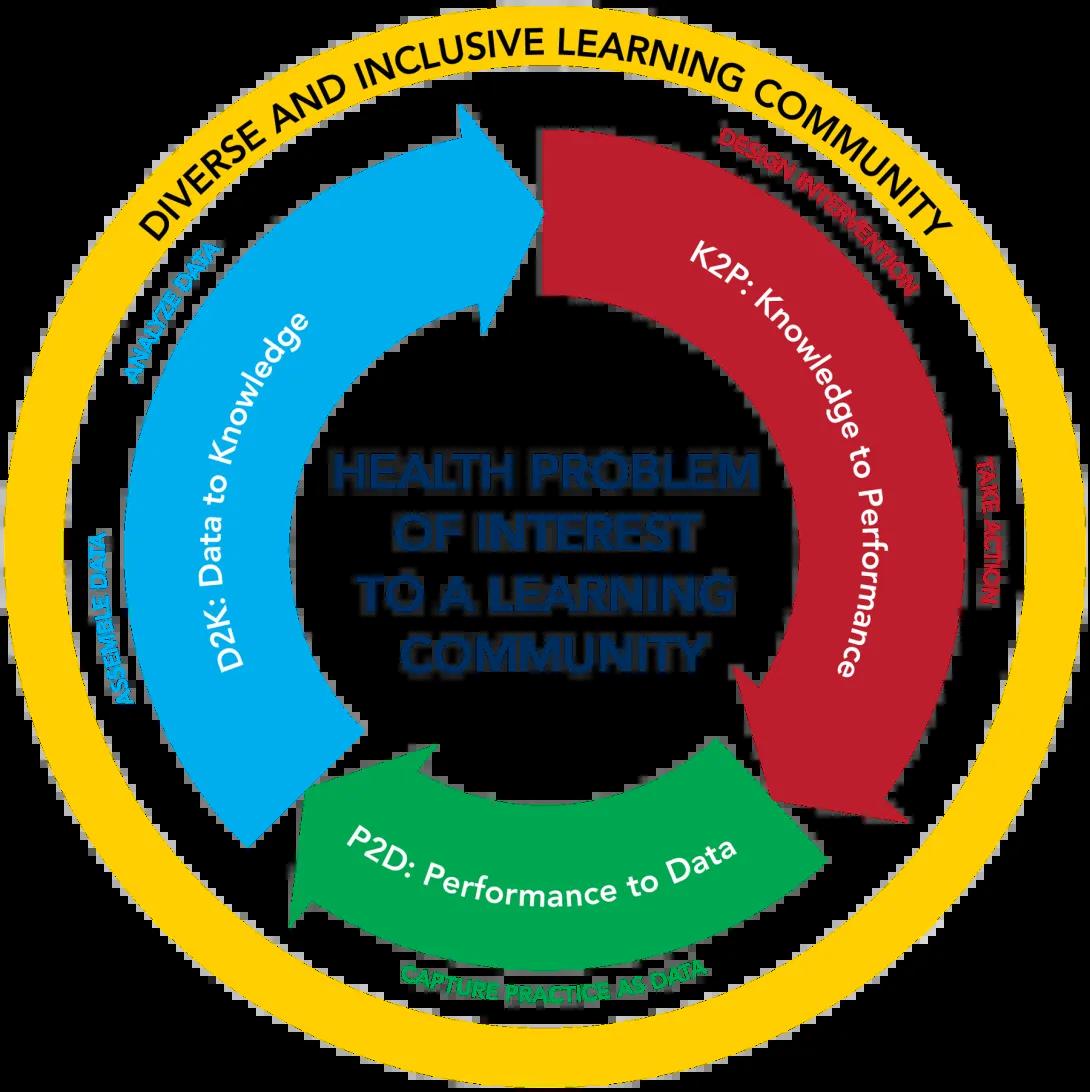
The Learning Health System loop is a cyclical framework with three main sections. Each section uses data from ongoing health care encounters and continuously aggregates, analyzes, and learns from each encounter, to incorporate new knowledge into practice for improvements in health and health care. The analyzing and learning process creates a natural feedback loop.
Our Learning Culture
Learning is predicated on and sustained by a set of values that groups, organizations, and systems can share. In its broader sense, learning can be viewed as a field of trans-disciplinary scientific investigation.
This field, known as the learning sciences, delves deep into the understanding of learning processes and their supporting infrastructures across various levels of scale. It is a rich intellectual tapestry that brings together behavioral, social, implementation, and organizational science; cognitive and information science; ethics and policy science, and other fields, creating a complex and comprehensive understanding of learning.
In DLHS, the learning culture values an openness to new information and a readiness to change on that basis rapidly.
| Prior conceptualizations of learning | The DLHS vision of learning |
| Learning is focused on individuals | Learning can occur in individuals, groups, organizations, systems, regions, states, nations (at any level of scale) |
| Learning occurs at a specific time and location | Learning occurs everywhere and continuously |
| Learning is an activity with known endpoints | Learning is a product of a virtuous cycle of continuous improvement |
| Learning occurs in bounded settings, which limits diffusion across wider groups | Learning is supported by infrastructure for rapid and efficient sharing of knowledge across groups |
| Learning is viewed as a burden or kind of overhead | Learning is embedded in routine practice as a culture unto itself |
Our Approach
There is a critical question at the heart of the learning health sciences philosophy: How do we expedite the data-driven transformation of a system that encompasses over one-sixth of a nation's economy and is responsible for the health and welfare of the entire population? We believe the answer lies in Learning Health Systems.
Learn more in our "Essence of Learning Health Systems" webinar
DLHS Lecturers’ Employee Organization
All lecturers teaching at the University of Michigan are subject to the terms and conditions of the collective bargaining agreement between The University of Michigan and the Lecturers’ Employee Organization.
The standard full-time teaching load for Lead Lecturers (of any rank) is four full-term (4-month) courses in a fall or winter semester. For half-term (2-month) courses, a full load for Lead Lecturers is two half-term courses. Co-instructor appointments are half the load of Lead Lecturer appointments. This workload includes but is not limited to teaching courses, course preparatory work, holding office hours, attending department and school meetings and administrative and/or service duties as assigned. Lecturers may receive additional effort up to 10% per term for unusual additional responsibilities per prior agreement between the lecturer and DLHS.
If a Lecturer has received from DLHS a past fixed payment exceeding the amount allowed by this current DLHS policy, the Lecturer may continue to receive the same fixed payment amount. If the fixed payment amount becomes less than the amount the Lecturer would receive under the current policy, the amount under the current DLHS Policy will control the payment.
Featured News & Stories

Medical School well-represented among Strategic Initiative Fund’s first recipients
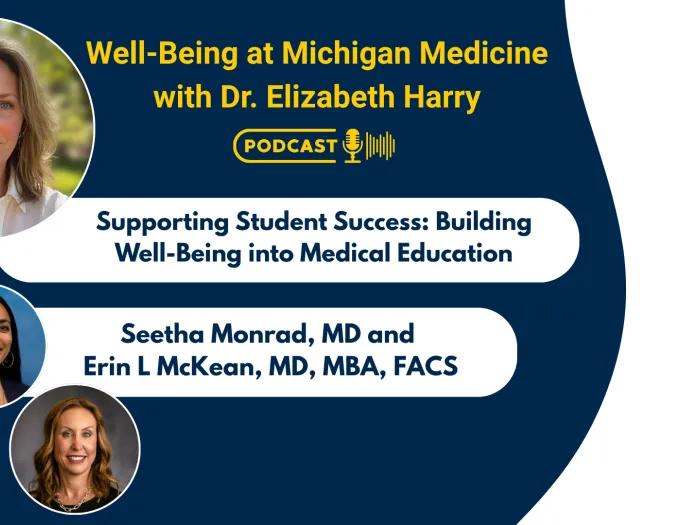
Podcast: Supporting student success: Building well-being into medical education
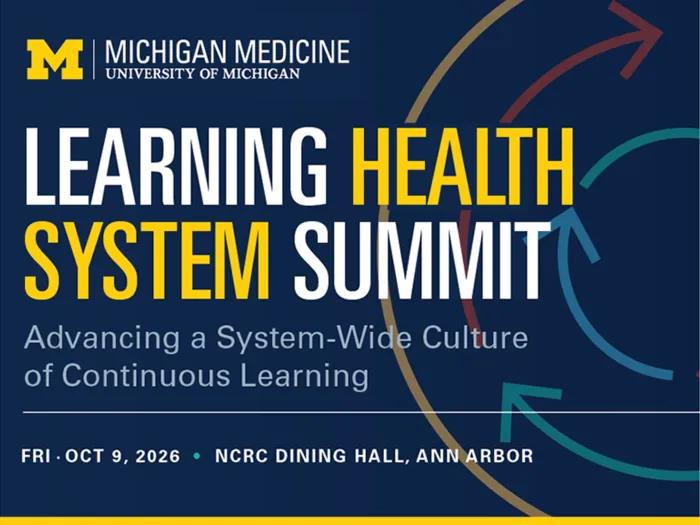
Michigan Medicine to host inaugural Learning Health System Summit on Oct. 9
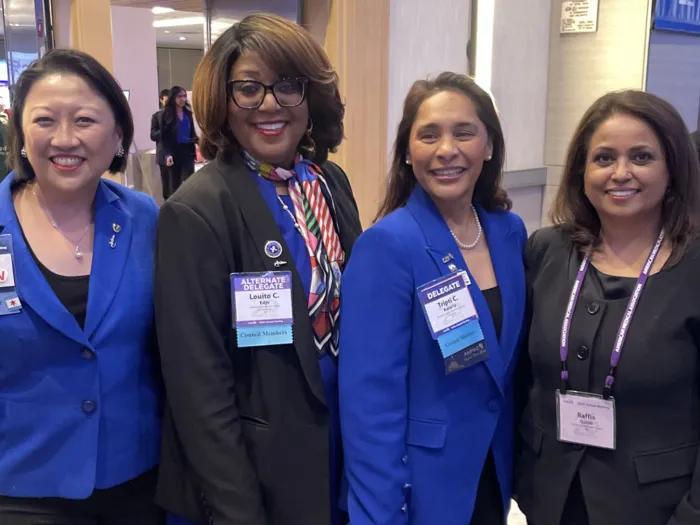
Voting victories: Medical School Vice Dean Edje enjoys election wins at AMA meeting

Celebrating outstanding teaching and research at the 2026 Endowment for Basic Sciences Awards