The Future of Cancer Survivorship Care
Megan R. Haymart, M.D., on ways to innovate patient care and cancer survivorship

Cancer survivorship focuses on the health of a person with cancer from the time of diagnosis until the end of life. Fortunately, the number of patients surviving cancer in the United States is increasing, with an estimated 18 million survivors in 2022. Although my clinical focus is on thyroid cancer, the third most common cancer among female cancer survivors, the themes seen in thyroid cancer survivorship care are also seen in cancer survivorship in general.
As we look toward the future, it is important to consider multiple aspects of cancer survivorship. In addition to focusing on the cancer itself, which includes cancer recurrence, progression and development of a new cancer, we also must consider the psychosocial effects of survivorship, including cancer-related worry and financial hardship, as well as the long-term physical effects of treatments like complications and side effects post cancer treatments. Clinicians now try to treat the whole patient, not just the cancer.
Care for the whole patient often requires involvement of multiple clinicians or allied health specialists. In the past, cancer care was primarily managed by the medical oncologist, or in the case of thyroid cancer, which I treat, the endocrinologist. But now more than ever multidisciplinary care plays a role, which requires care coordination between specialists such as surgeons, oncologists (or endocrinologists for thyroid cancer) and primary care doctors. As cancer survivors live longer, health promotion and the management of co-existing chronic conditions like diabetes and heart disease are as important for survival, or in some instances more important, than the surveillance for cancer recurrence. This is one reason care coordination with primary care doctors is so important.
In addition, there used to be a one-size-fits all survivorship model for patients. As someone who provides care for thyroid cancer patients and sees the spectrum of thyroid cancer disease courses, it always concerned me that some patients—for example, those with low-risk disease—were getting too much follow up and imaging whereas others—like those with more aggressive disease—may not be getting enough. Tailoring care to the patients is a major focus for my research team and is key to improving survivorship care.
Finally, the potential to augment survivorship care with new technology, such as wearable devices like Apple Watch, FitBit or other monitoring devices has generated new enthusiasm. These devices can provide real-time monitoring of patient data, such as heart rate, blood pressure, sleep quality and potentially mood. Integrating wearable devices into survivorship care is an area of ongoing research but one that has potential to lead to improved outcomes. New technologies and new survivorship research are critical to improving care.
As we look toward the future of cancer survivorship care, it is vitally important to consider the whole patient, which can best be achieved through multidisciplinary care coordination. It is also important to keep an open mind toward innovative and new research, including research that incorporates new technologies, as this may ultimately improve survivorship care. We are making great strides, but more work is needed.
Continue reading Illuminate 2025
- Nurturing High-Risk, High-Reward Ideas
- Big Data, Better Cancer Care
- Wearing Your Heart (rate) on Your Sleeve
- The Right Chemistry to Keep Going
- Tackling Pancreatic Cancer Care, Bench to Bedside
- Engineering Better Colorectal Cancer Outcomes
- The Role of Environmental Factors in Health
- Refining Radiation
Learn more:

Illuminate
Articles showcasing the latest in cancer research underway at the Rogel Cancer Center
In This Story
Megan R Haymart, MD
Professor
Featured News & Stories

Human Rabies Exposures Growing Across the Country

Continuing the legacy of a doctor’s doctor

Dr. Elafros Receives Global Achievement Award
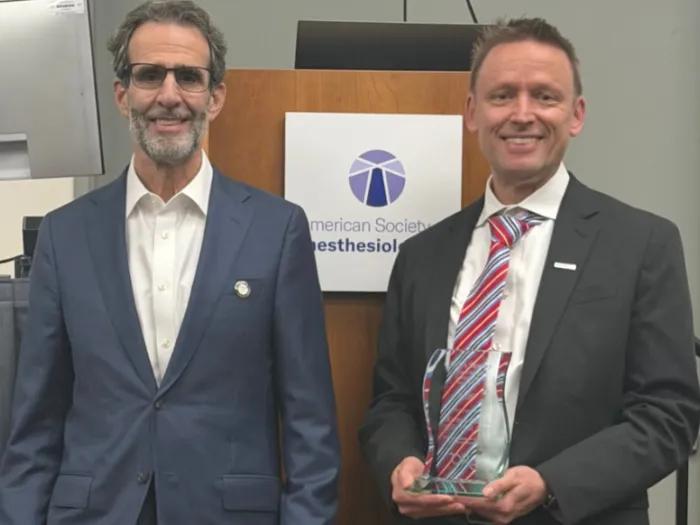
Karsten Bartels, MD, earns Gladys Sessler Outcomes Research Consortium Award

Into the Current: Dr. Nate Hunt Brings Specialized Water Rescue Expertise Back to Michigan Medicine