Helping Patients Make Longer-term Treatment Choices During Survivorship
Why both oncologists and primary care doctors need to understand patients’ motivation when choosing cancer treatments.

This Differential Diagnosis article was contributed by Lauren Wallner, Ph.D., M.P.H., associate professor of general medicine and epidemiology; and Sarah Hawley, Ph.D., M.P.H., Maisel Research Professor of Cancer Control and Population Sciences
For most women with early stage hormone receptor positive breast cancer, endocrine therapy will be a key part of their treatment. Drugs including tamoxifen and aromatase inhibitors interfere with estrogen signaling in breast cancer that’s fueled by estrogen or progesterone, which helps reduce the risk of long term recurrence in these patients with cancer. The medication is taken daily as a pill, making it easier and more convenient than chemotherapy.
But one of the chief challenges with endocrine therapy is that it’s recommended women stay on it for at least five years. Guidelines now suggest there is benefit in continuing treatment for up to 10 years, especially for women with stage 2 breast cancer. Yet, many women experience side effects with endocrine therapy, including joint pain, vaginal atrophy, hot flashes and night sweats. This causes many women to discontinue therapy early. Studies have shown less than 50% of women stay on therapy for five years, and it is unknown what proportion stay on therapy longer, as is now recommended for many women.
As such, we wanted to understand what proportion of patients who had already completed five years of endocrine therapy were choosing to opt in for the additional five years of treatment and what factors were influencing their decision. Endocrine therapy is delivered during the survivorship phase of the cancer journey. The question of continuing longer-term endocrine therapy illustrates two key themes of our research: how to best support patients with cancer transitioning into survivorship and improving how care teams work together to deliver high-quality cancer survivorship care.
Research suggests that many cancer survivors do not receive care in line with established guidelines, and socioeconomic differences widen that gap. The National Academy of Medicine recommends a shared survivorship care model, in which oncologists and primary care providers work together to manage cancer survivors’ care. Primary care providers are an untapped resource that could help improve the delivery and quality of care for cancer survivors.
Our recent study about continued use of endocrine therapy shows how primary care providers are an important participant in treatment decisions during survivorship.
The study that produced these results, funded by the American Cancer Society, is a follow-up to our iCanCare Study, a longitudinal survey of women with early-stage breast cancer and their physicians. The survey included women ages 20-79 diagnosed with stage 0-2 breast cancer in 2014-2015 identified through the Georgia and Los Angeles County Surveillance, Epidemiology and End Results, or SEER, Program.
In this follow-up, we sent questionnaires to 2,361 women who had previously completed a survey during their initial treatment. The follow-up survey targeted women who were about six years post-diagnosis, which is the time they would have finished or nearly finished the first five years of endocrine therapy. Overall, 591 women were eligible for this analysis because they completed or were completing five years of endocrine therapy.
We found that 47% decided to continue the endocrine therapy. Patients with stage 2 disease were more likely to continue, with 62% agreeing, compared to 39% of patients with stage 1 cancer. We published the findings in the Journal of the National Cancer Institute.
These are encouraging results. What was especially significant was finding that no demographic and few clinical or treatment variables were associated with this decision. In other words: we’re not seeing differences among more vulnerable patients. Instead, some clear trends emerged regarding the factors that did influence patients to continue endocrine therapy.
Patients who said they planned to continue treatment were younger and more likely to have received chemotherapy. Women who reported discussing the decision with their primary care doctor were also more likely to continue treatment.
The factors that had the most impact on a patient’s decision were their oncologist’s recommendation, worry about recurrence and a desire for the most extensive treatment possible.
It’s noteworthy that patients want to know what both their primary care doctor and their oncologist recommend. The role of both these providers in patients’ decision-making suggests the need for ongoing collaboration and discussions about treatment risks and benefits.
A shared decision-making approach among cancer patients, oncologists and primary care physicians is becoming more common – and more necessary – as patients have more treatment options and decisions to make. It is therefore key that clinicians understand the motivating factors that may influence their patients, so they can make recommendations that are clinically appropriate as well as in line with patient preferences.
It’s clear that patients find value in this shared decision-making approach. Many patients have longstanding relationships with their primary care physicians, and these physicians have insight into their patients’ values and preferences.
We will continue to leverage the iCanCare Study to understand how oncologists and primary care physicians are providing health services to patients during survivorship, and whether there are differences in care for women who are older, minority, or who have less education, low acculturation or low literacy levels.
Understanding the current state of cancer care delivery and the role of primary care providers will help us identify opportunities to improve the care and lives of the 18 million cancer survivors in the United States.
Keep Reading Illuminate 2026:
- The Answers in the Epigenome
- Emerging into the Future
- Closing the Gap
- An Elegant Dance
- The Next Generation 2026
Learn more:

Illuminate
Articles showcasing the latest in cancer research underway at the Rogel Cancer Center
Featured News & Stories

Human Rabies Exposures Growing Across the Country

Continuing the legacy of a doctor’s doctor

Dr. Elafros Receives Global Achievement Award
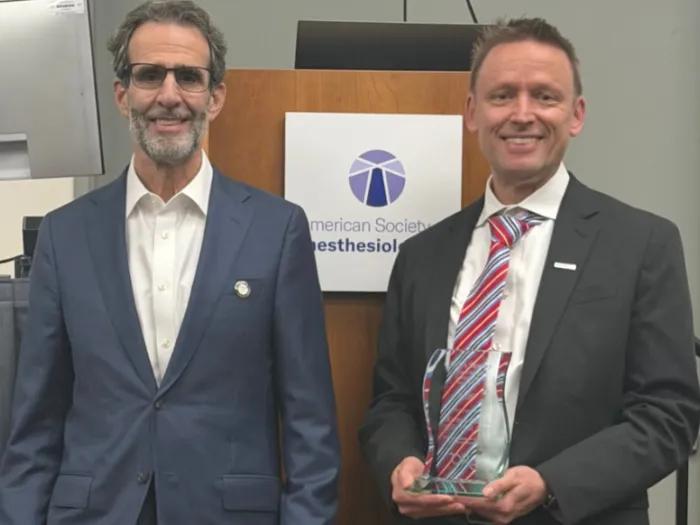
Karsten Bartels, MD, earns Gladys Sessler Outcomes Research Consortium Award

Into the Current: Dr. Nate Hunt Brings Specialized Water Rescue Expertise Back to Michigan Medicine