Healthcare Administration Fellowship
Training Future Leaders
We offer training in finance, operations, and strategy to prepare future leaders.
The complexity of managing healthcare delivery systems has increasingly required physician leadership, and surgeons are often well positioned to assume these roles. Yet, our surgical training does not include the key skills and experiences these leaders need – finance, clinical operations, human resources, strategy, and others.
In order to more formally prepare the next generation of surgeon administrative leaders, the Department of Surgery offers this Healthcare Administration Fellowship, intended for residents in their academic development time. It is anticipated that most fellows will be engaged in primary scholarly work in health services research (HSR) or other related disciplines, and that this Fellowship will be the secondary focus of their academic time. The program is operated through the Center for Health Outcomes and Policy (CHOP).
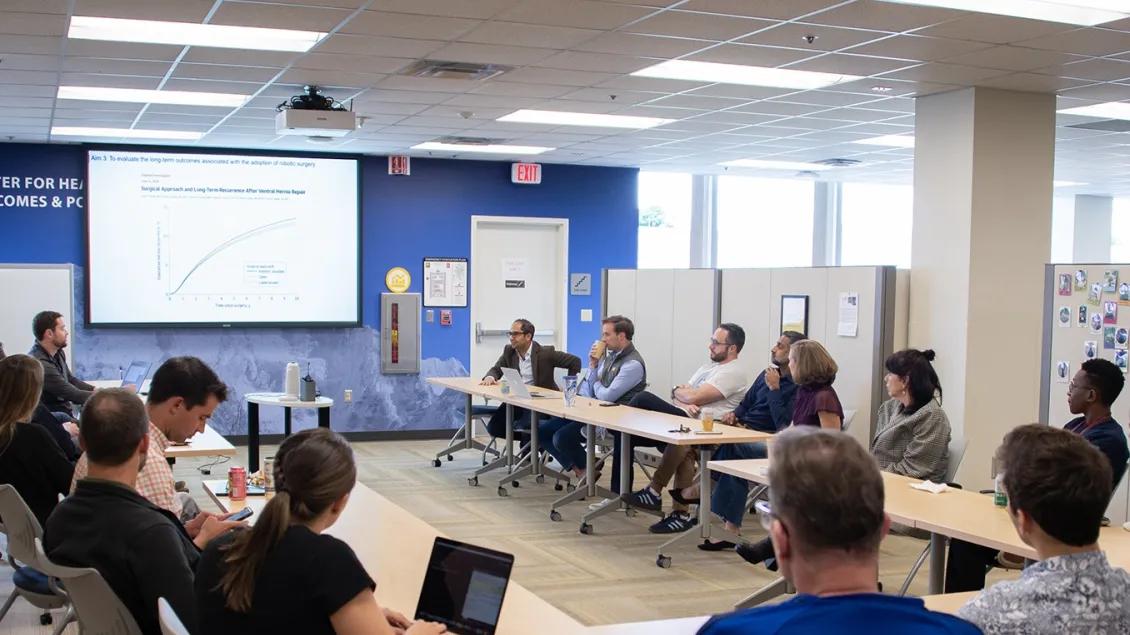
The objective of the program is to supplement primary research experiences with didactic and experiential training in the disciplines and practice of health system leadership. Trainees will be integrated among the CHOP research fellows and engage in HSR training and mentored research.
- Clinical epidemiology and biostatistics
- Qualitative and quantitative study design and data analysis
- Healthcare quality improvement
- Implementation science
- Survey research design
- Academic writing for publication and funding applications
- Healthcare finance
- Administrative governance, communication, and reporting structure
- Regulatory and medicolegal affairs
- Clinical operations management
- Change management, clinical innovation, and quality improvement research
- Supply chain
- Healthcare information technology and virtual care
- Health system business strategy
The time commitment to this fellowship may vary to some degree, depending on each fellow’s specific interests and other research commitments. In most cases, this fellowship will be the “minor” focus, with a “major” in HSR or other related field.
The program will include a series of monthly didactic seminars, modeled after the curriculum of an MBA, focused on the specific disciplines that most pertain to health system leaders. In addition, fellows will engage in a series of apprenticeship experiences with Michigan Medicine leaders involved in ambulatory care, hospital operations, inpatient and ambulatory procedural areas, health system strategy, virtual care, supply chain, pharmacy, and strategy. A multidisciplinary team of faculty mentors will lead these apprenticeships. Fellows who participate in a second year will elect an extended practicum to lead an administrative project in an area of particular interest within the health system, as a culminating project experience. Scholarly writing and publication related to experiential operations work will be highly encouraged, and mentored by Fellowship faculty and leadership. The volume of publication can be tailored to the areas of focus and other academic commitments.
Required didactic sessions:
- CHOP Friday seminars and Research in Progress meetings
- Summer methods seminars at CHOP
- “Mini-MBA” didactic seminars (Dr. David Butz and Matthew Comstock)
- Department of Surgery Leadership Development Program (in years that it is being offered)
- Biweekly work-in-progress meetings with Fellowship Director and/or Co-Director including experiences in composition and presentation using A3 and SBAR tools
Directors

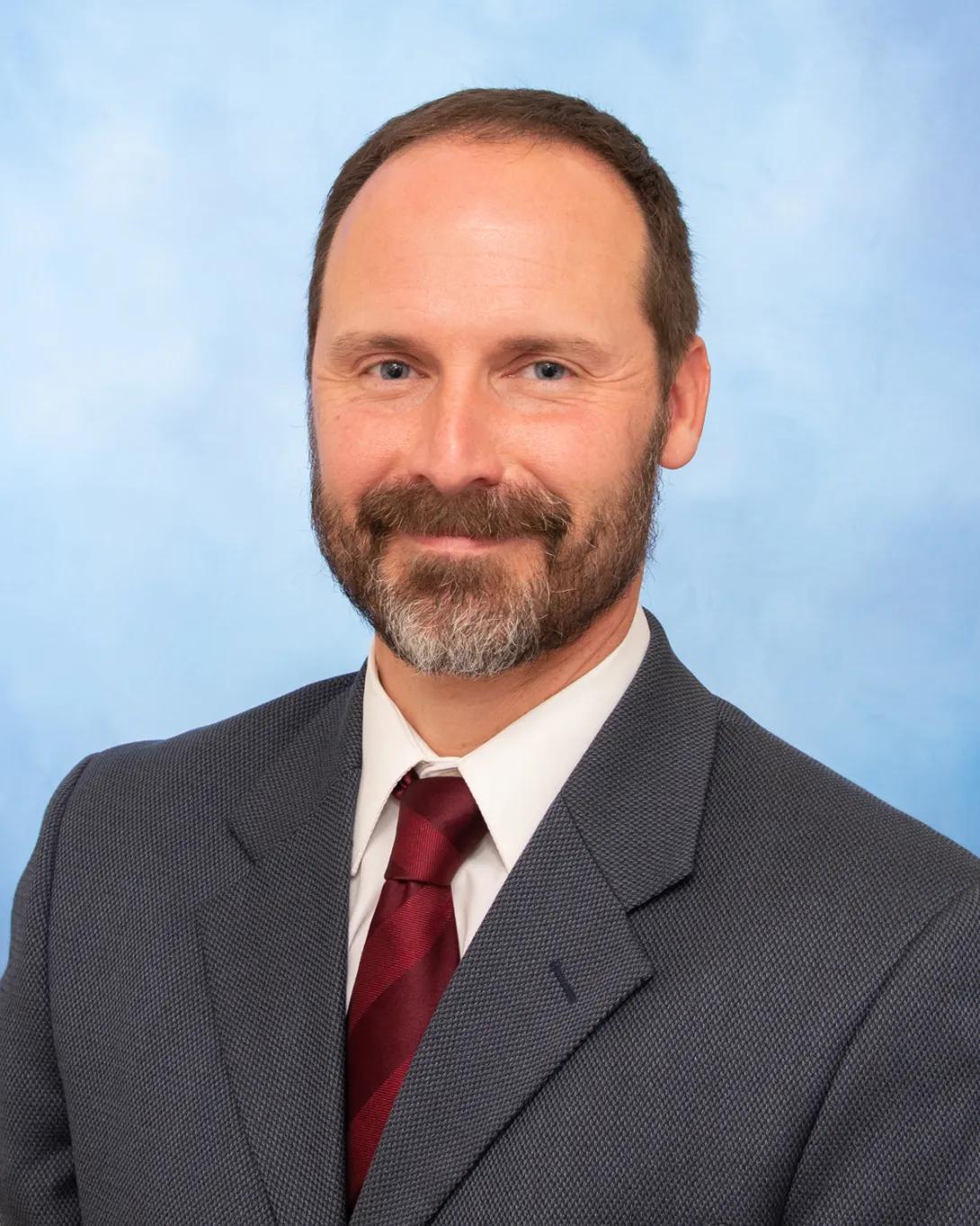
Scott Ellis Regenbogen, MD, MPH, FACS, FASCRS
Research Professor of the Surgical Sciences
Professor of Surgery
Associate Chief Clinical Officer
Medical School