
Surgical Practice AI Research Community (SPARC)
Empowering Surgical Professionals
We are collaborating for safe, efficient and cost-effective AI implementation in surgery.
About us
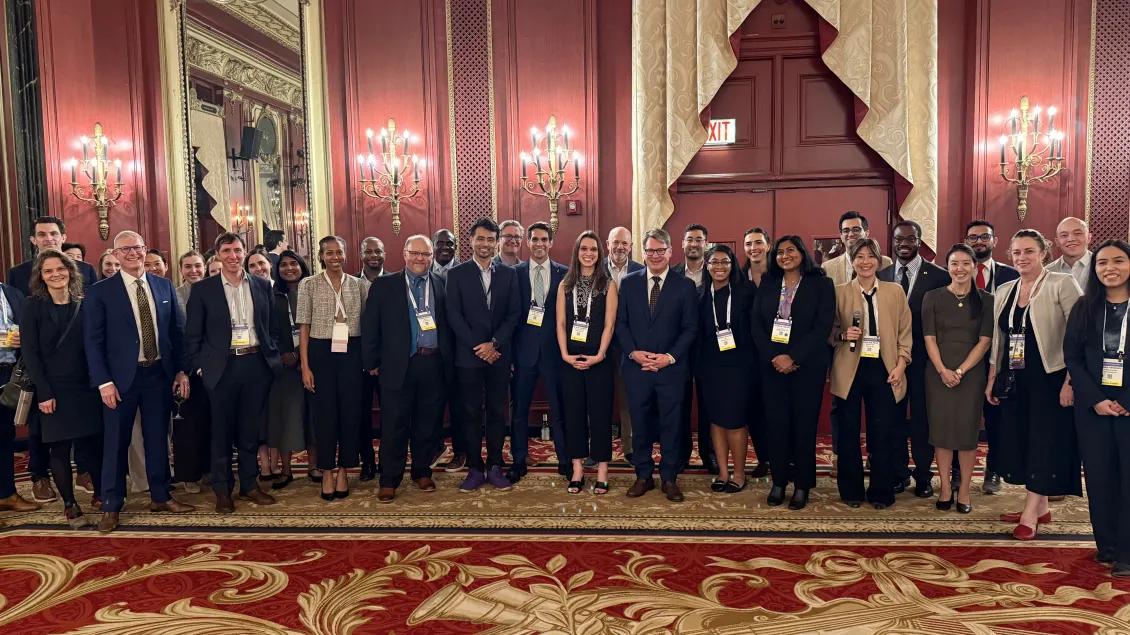
The Surgical Practice AI Research Community (SPARC) is a multi-institutional community connecting surgeons, computer scientists, informaticists, ethicists, health services researchers, implementation scientists, and any other stakeholders involved in the application of artificial intelligence (AI) in healthcare. Our aim is to foster a welcoming community dedicated to ensuring AI is implemented in healthcare safely, efficiently and sustainably to benefit providers and patients.
SPARC is committed to increasing knowledge and awareness of AI applications, addressing implementation challenges, and exploring future directions of AI in surgery. We believe that a true understanding of the field will empower surgical professionals to make informed decisions about when to embrace AI innovations and when critical evaluation is necessary.
SPARC holds monthly hybrid seminars at the Center for Healthcare Outcomes and Policy (CHOP). These seminars take place at 10 AM EST on roughly one Friday a month. We host experts who break down complex topics or share their work on new innovations in the field.
Katherine Khosrovaneh, senior data architect at CHOP, leads a python workshop every other Tuesday at 10 AM EST. These applied technical sessions are designed to help participants build essential skills for advancing AI implementation in surgery, such as coding and machine learning model development.
Annals of Surgery
SPARC collaborates with Annals of Surgery to host quarterly virtual seminars featuring leading faculty conducting AI research in surgery. These sessions are open to anyone. Following each talk, a corresponding perspective piece is published in the journal for a deeper exploration of each topic. We had our first inaugural speaker in February 2026, Dr. Tyler Loftus, an acute care surgeon and assistant professor at the University of Florida. Check back soon to get the link to read his perspective piece!
ACS Clinical Congress Annual Surgical AI Reception ACS Clinical Congress Annual Surgical AI Reception
Hosted in collaboration with SPARC, the AMIA Surgical and Procedural Informatics Working Group, the ACS Health Information Technology Committee, and the SAGES Artificial Intelligence Task Force, this reception brings together faculty, residents, and students to support meaningful connections and collaborations. If you are interested in attending, please fill out the interest form to provide your email!
WiSOR at University of Wisconsin-Madison
CHOP at the University of Michigan and the Wisconsin Surgical Outcomes Research Program (WiSOR) at the University of Wisconsin-Madison with Drs. Nabeel Zafar and Ben Zarzaur have established a strategic partnership to facilitate shared learning sessions between our institutions.
We welcome other institutions to join our network to establish robust channels of communication and accelerate progress in surgical AI research across the broader academic community. Please contact Natalie Guzman ([email protected]) if your institution is interested in collaborating with SPARC!
Other Collaborations
Please check back regularly, we have other exciting collaborations and networking opportunities that will be added soon. To receive updates on these opportunities and events, please sign up for our mailing list.
SPARC Seminars and Visiting Professor Series
Visiting Professors
February 26th, 2027, 10am EST
- Dr. Gabriel Brat: Gabriel A. Brat, MD, MPH, MSc, is a trauma surgeon and critical care physician at Beth Israel Deaconess Medical Center and an Assistant Professor of Surgery at Harvard Medical School. He directs the Surgical Informatics Laboratory, where his research applies clinical informatics, machine learning, and computer vision to improve surgical decision making and patient outcomes. His work includes surgical risk prediction, clinical decision support, opioid prescribing, and analysis of intraoperative events.
April 16th & 23rd, 2027, 10am EST (Computer Vision Double Header!)
- Dr. Andrew Hung: Andrew J. Hung, MD, is a urologic surgeon and Professor of Urology and Computational Biomedicine at Cedars Sinai Medical Center. He serves as Vice Chair for Academic Development in the Department of Urology and Co Director of the Center for Autonomous Robotic Surgery. His clinical practice focuses on robotic surgery for kidney and prostate diseases. His research applies artificial intelligence to surgical training, automated skills assessment, and the prediction of surgical outcomes.
- Dr. Amin Madani: Amin Madani, MD, PhD, FRCSC, FACS, is an endocrine and acute care surgeon at University Health Network and an Assistant Professor of Surgery at the University of Toronto. His clinical practice includes the surgical management of thyroid, parathyroid, and adrenal disorders. He directs the Surgical Artificial Intelligence Research Academy (SARA), where his research focuses on surgical expertise, decision making, and the use of artificial intelligence, computer vision, and simulation to improve operating room performance.
Seminar Series
October 2nd, 2026, 10am EST
- Dr. Justin Opfermann: Justin D. Opfermann, PhD, is a new faculty member joining the Department of Robotics at the University of Michigan. His research focuses on medical robotics, autonomous surgical systems, and the development of intelligent tools for minimally invasive procedures. He recently completed his PhD in mechanical engineering at Johns Hopkins University under the mentorship of Axel Krieger, where he contributed to robotic systems for autonomous soft tissue surgery.
October 30th, 2026, 10am EST
- Dr. Paul Cederna: Paul S. Cederna, MD, FACS, is the Robert Oneal Legacy Professor of Plastic Surgery and a Professor of Surgery and Biomedical Engineering at the University of Michigan. His research focuses on regenerative peripheral nerve interfaces, amputation pain, and advanced prosthetic control systems for people with limb loss. He is also a cofounder and President of Blue Arbor Technologies, which is translating this work through the RESTORE Neuromuscular Interface System, an FDA Breakthrough Device designed to provide intuitive control of robotic prostheses.
Check back regularly as we will be adding additional speakers throughout the year!
Previous speakers include:
- Dr. Anai Kothari, Medical College of Wisconsin
- Dr. Nabeel Zafar, University of Wisconsin-Madison
- Dr. Jenna Wiens, University of Michigan
- Dr. Christopher Tignanelli, University of Minnesota
- Dr. Michael Mathis, University of Michigan
- Dr. Andrew Wong, University of Michigan
- Dr. Daniel Hashimoto, University of Pennsylvania
- Dr. Tyler Loftus, University of Florida
- Dr. Andrew Krumm, University of Michigan
Getting Involved
If you are interested in getting involved and would like to receive updates and invitations for SPARC sessions and events, please fill out the contact form.
You are welcome to get involved regardless of institution or career stage! If you have additional questions or ideas for collaboration, please reach out to Natalie Guzman ([email protected]).
Leadership
Co-Directors
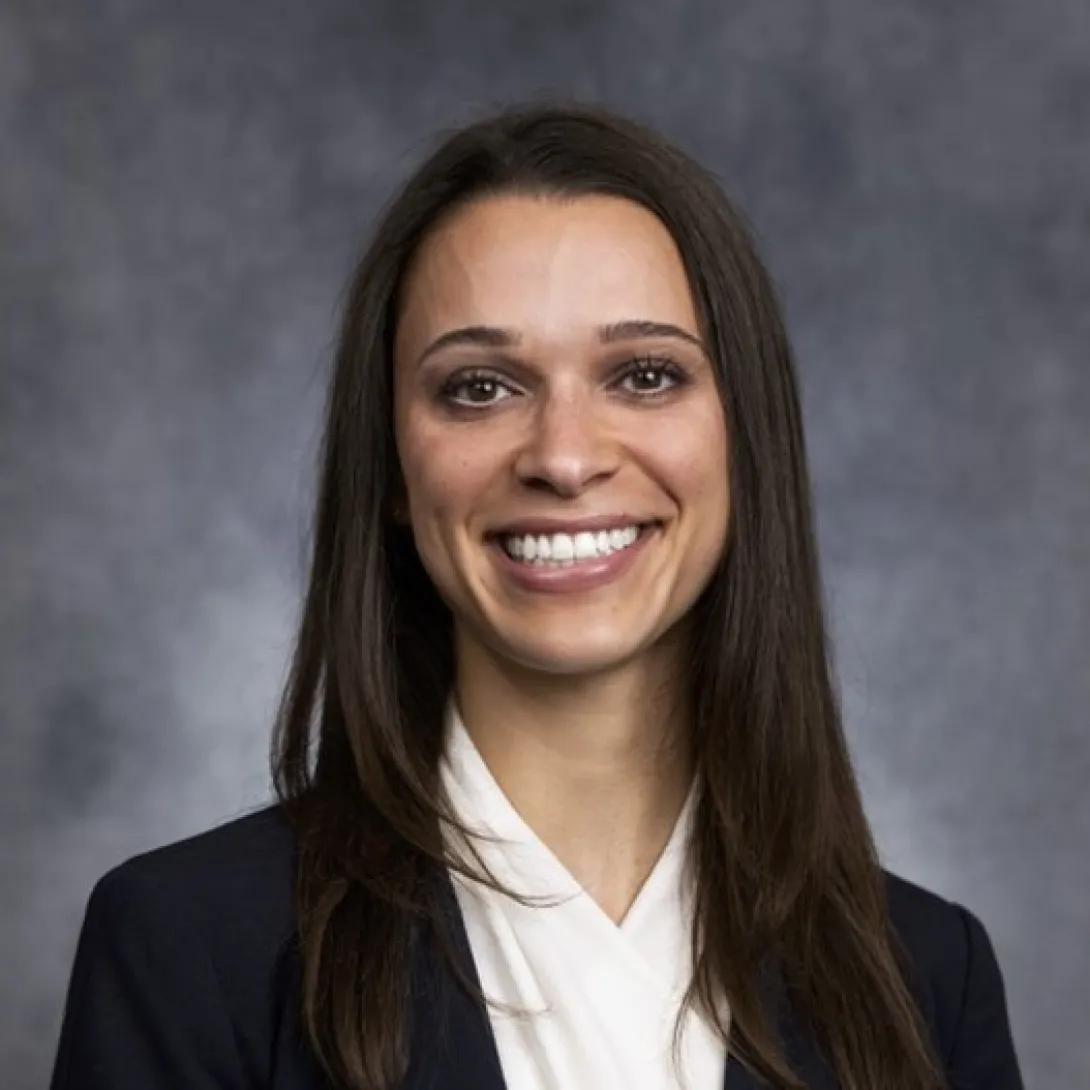
Natalie Guzman

Raymond Alexander Jean, MD, MA, MHS, FACS
Medical School
Sponsors
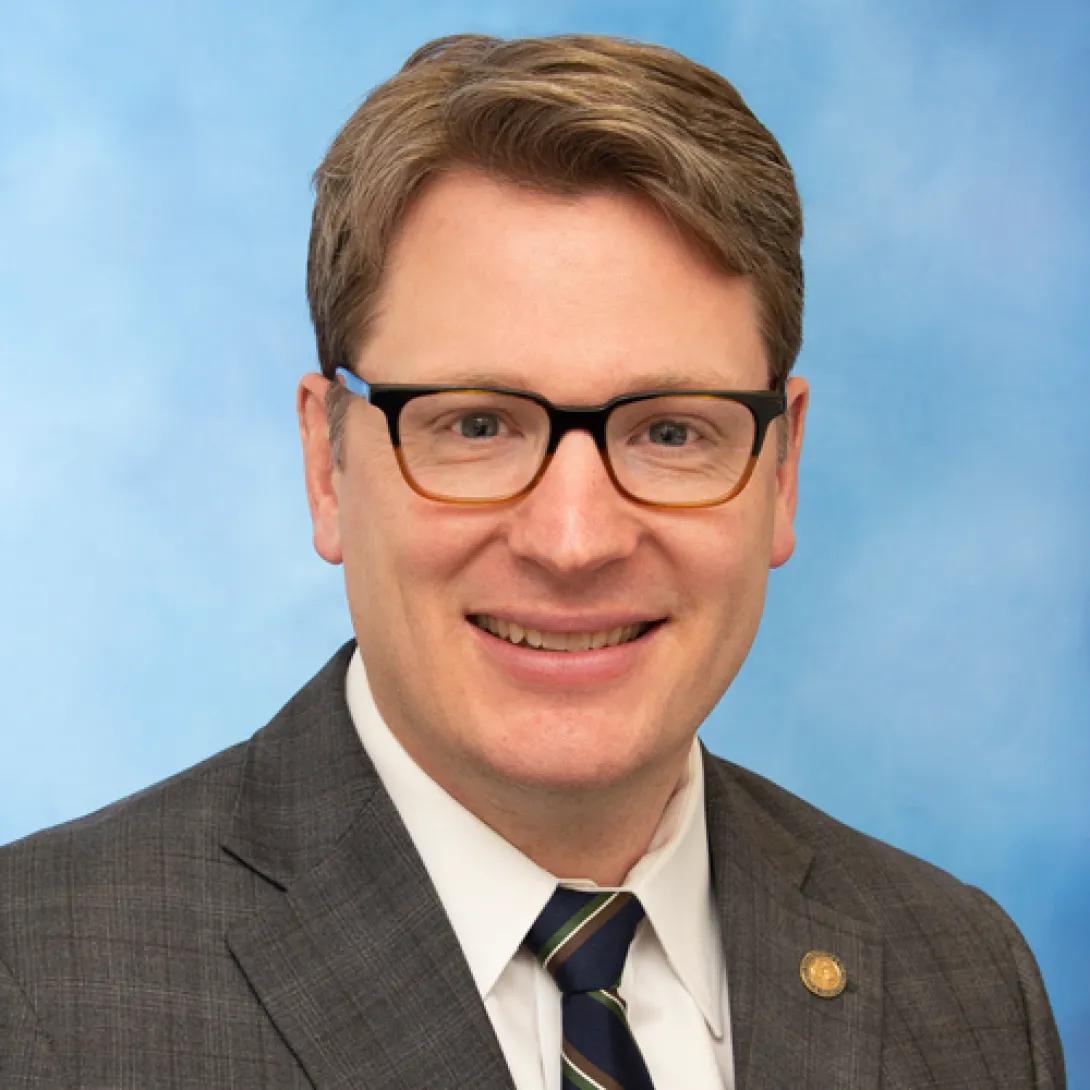
Justin B Dimick, MD, MPH
Professor of Surgery
Chair, Department of Surgery, Medical School
Professor of Health Management and Policy, School of Public Health
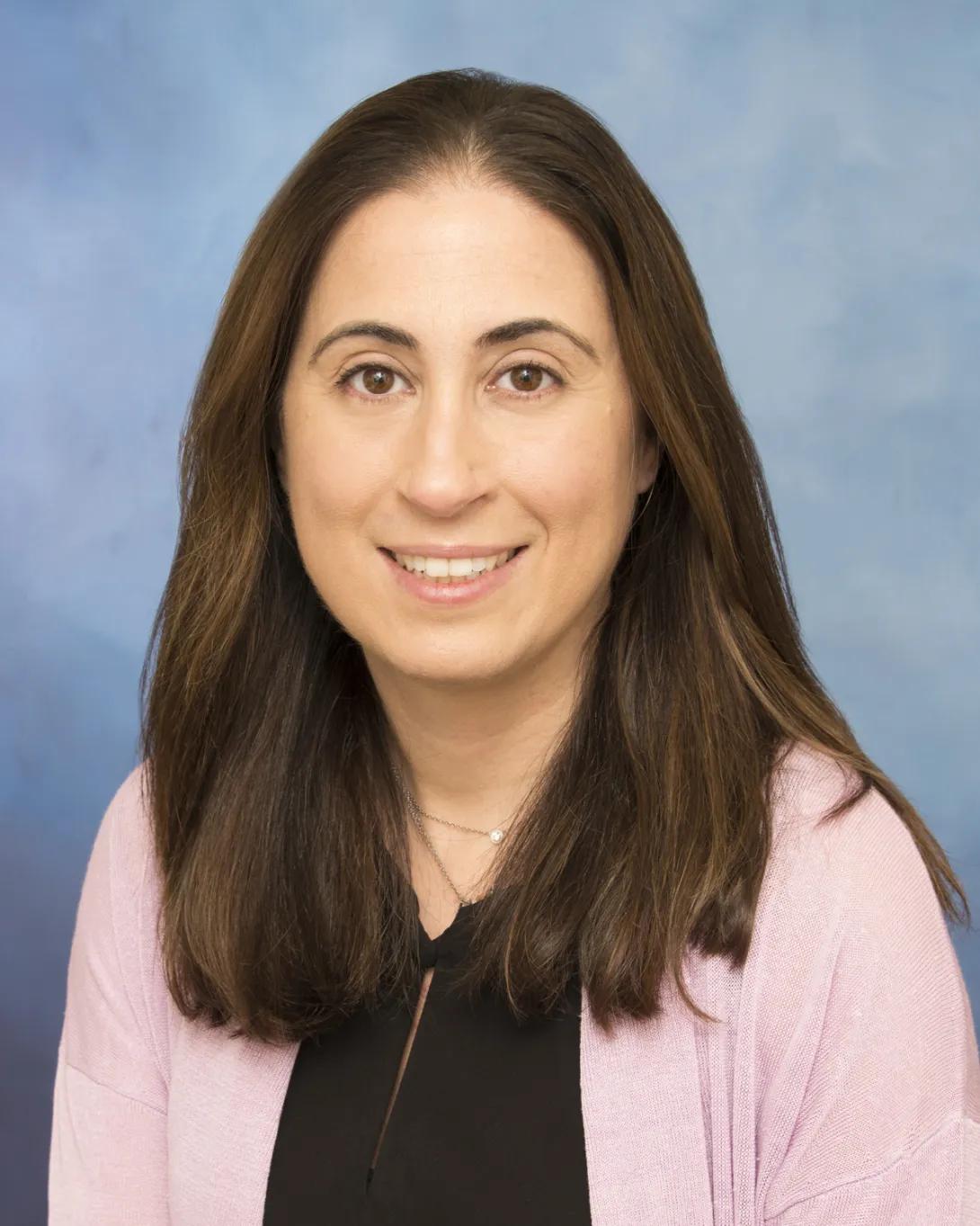
Dana Telem, MD, MPH
Professor of Surgery
Associate Chair, Department of Surgery
Professor of Surgery
Section Head, Surgery
Service Chief, Medical School
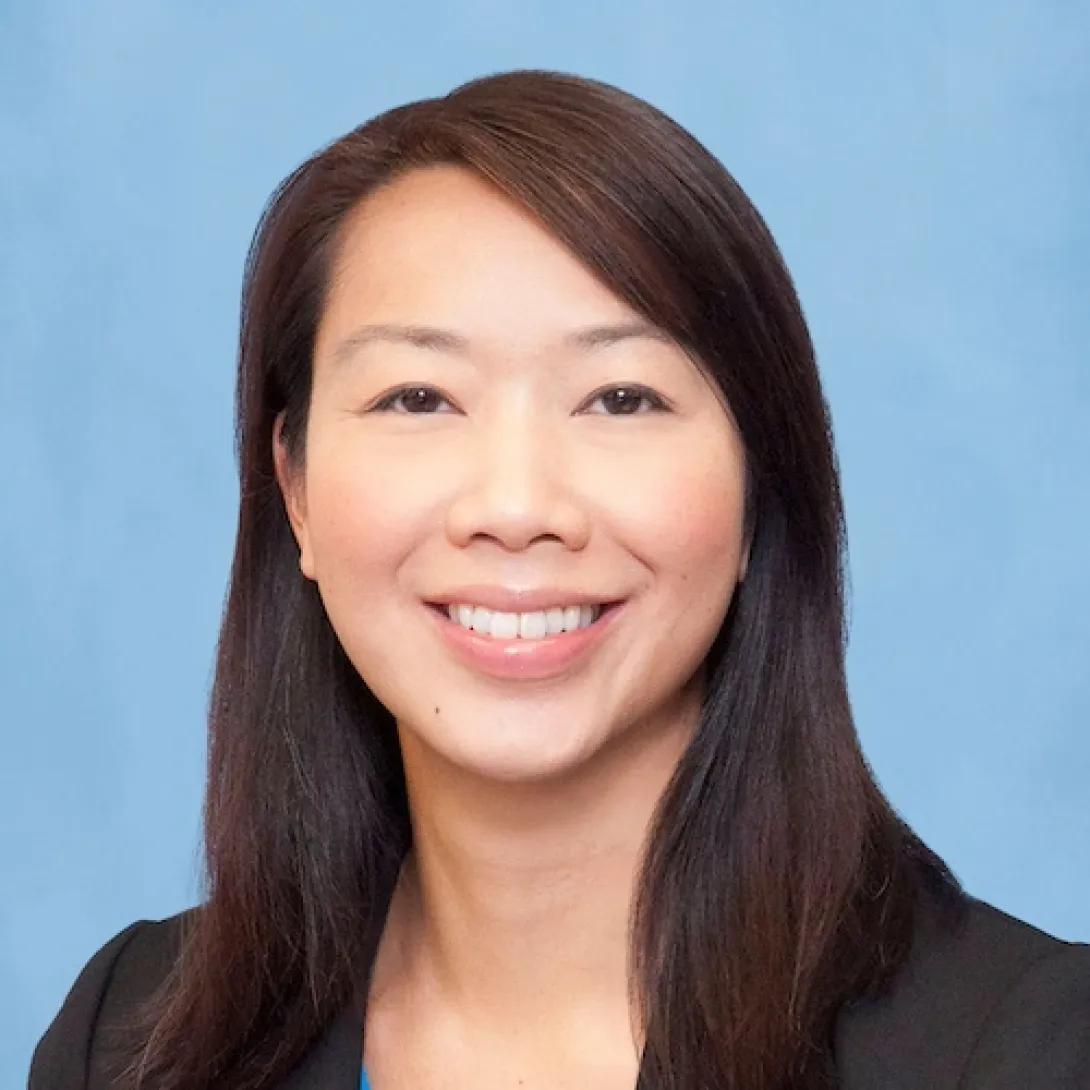
Pasithorn Amy Suwanabol, MD, MS, FACS, FASCRS
Medical School
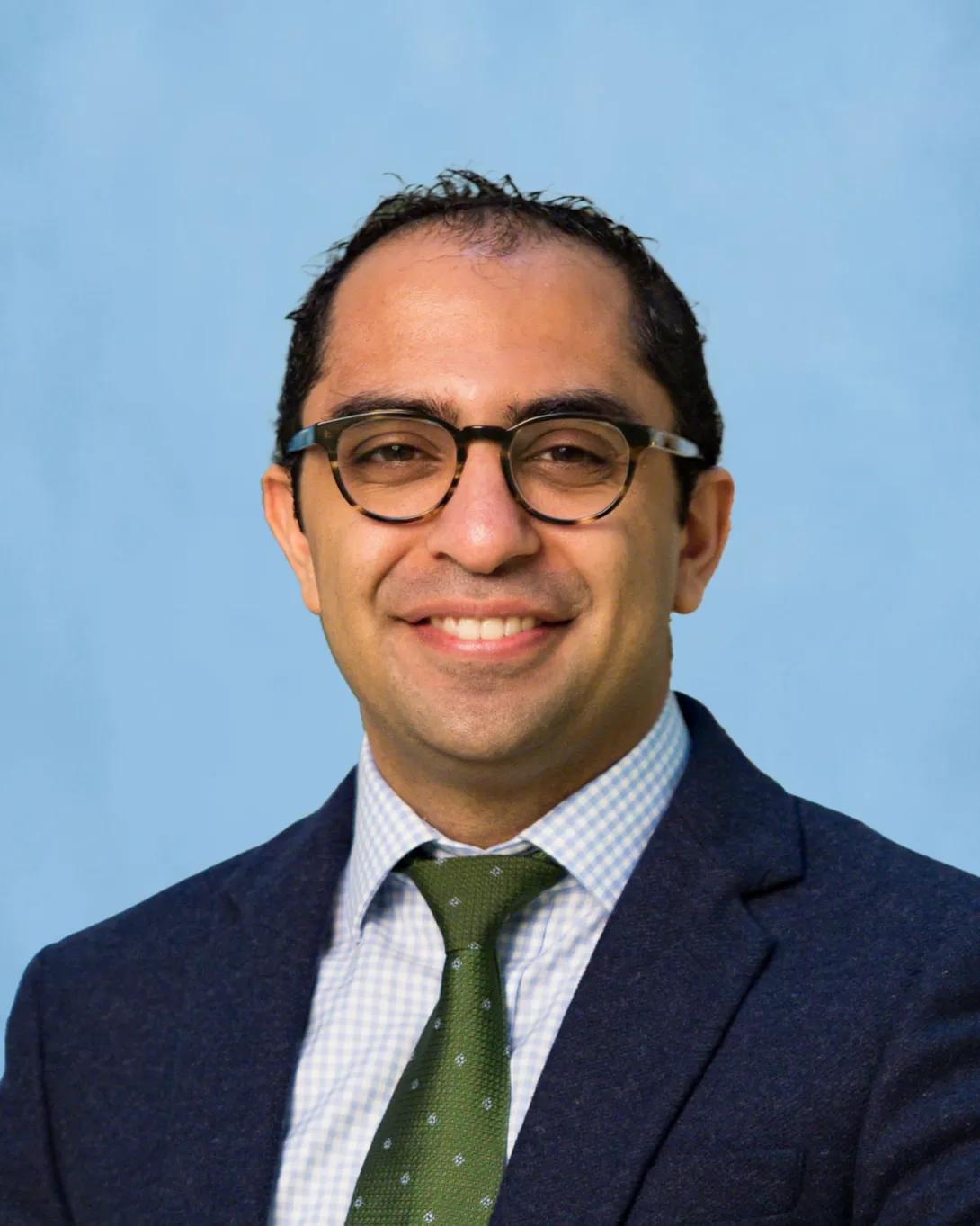
Andrew M Ibrahim, MD, MSc
Associate Professor of Surgery
Associate Chair, Department of Surgery, Medical School
Associate Professor of Architecture and Urban Planning
A Alfred Taubman College of Architecture and Urban Planning
