
Project 1 | Judith Tam ALK Lung Cancer Research Initiative
Understanding Efficacy and Resistance in ALK NSCLC
Utility for patients now: Tumor Organoid Drug Testing and Multi-omic Integration
- Conventional cancer cell lines and in vitro models can be useful, but are often limited as they do not maintain the complex tumoral and cell-type heterogeneity that occurs in the patient. Moreover, generation of these cell lines and laboratory models often occurs on a timescale that cannot immediately impact patient treatment decisions. Although TKIs are an excellent treatment for oncogene-driven lung cancer, after TKIs are exhausted, next line therapy options are limited and are chosen empirically without any guidance from the actual tumor. We can improve on this situation for lung cancer in a very short time because we have already developed all the methods needed to accomplish this task.
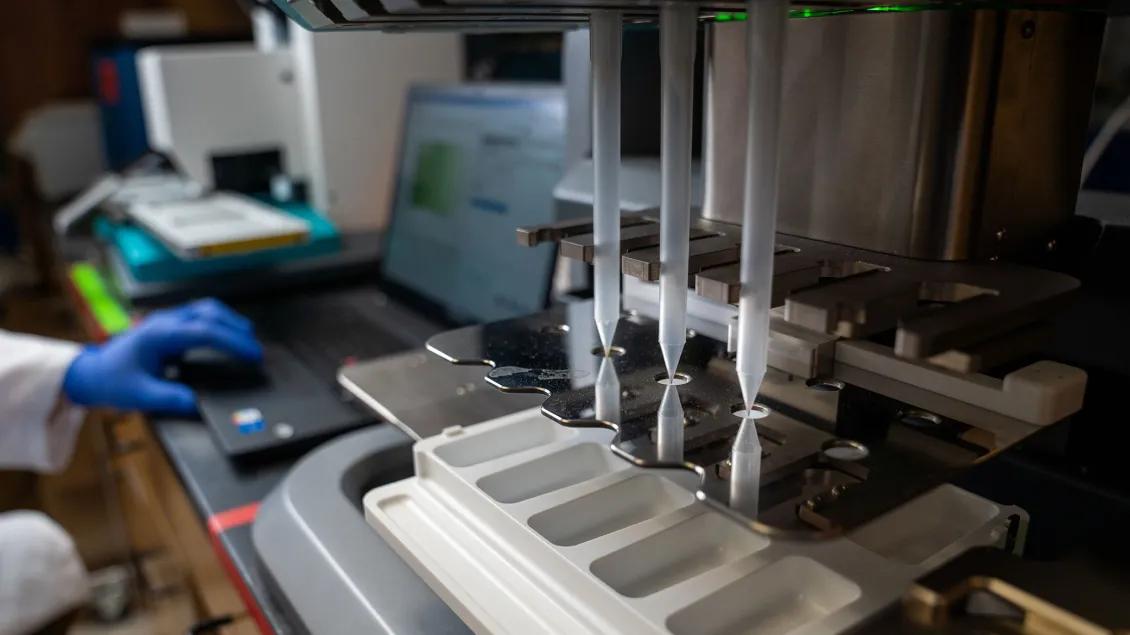
- Based on a currently existing platform at the University of Michigan that has successfully profiled lung cancers metastatic to brain, breast cancer and bladder cancer tissues directly from patients at biopsy or surgery, we seek to perform sensitivity profiling with a panel of 30-50 or more drugs and innovative drug combinations, using fresh tumor tissue within 5-7 days after tissue resection. As the samples will be minimally cultured, we expect that the profiling will more accurately reflect the responses of the tumors as they would occur in the patient.
- We currently have access to surgical tissue from lung cancer resections but propose to expand our tissue procurement pipeline to include samples obtained from interventional radiology and at other centers nationally and internationally, thereby allowing us to test tissue from metastatic sites and sites of recurrence or progression from many diverse patients. The profiling will occur within 1-2 weeks, and therefore, once certified, would allow for rapid actionable information, which could directly inform which therapies are received by the patient under clinical protocols.
Objectives
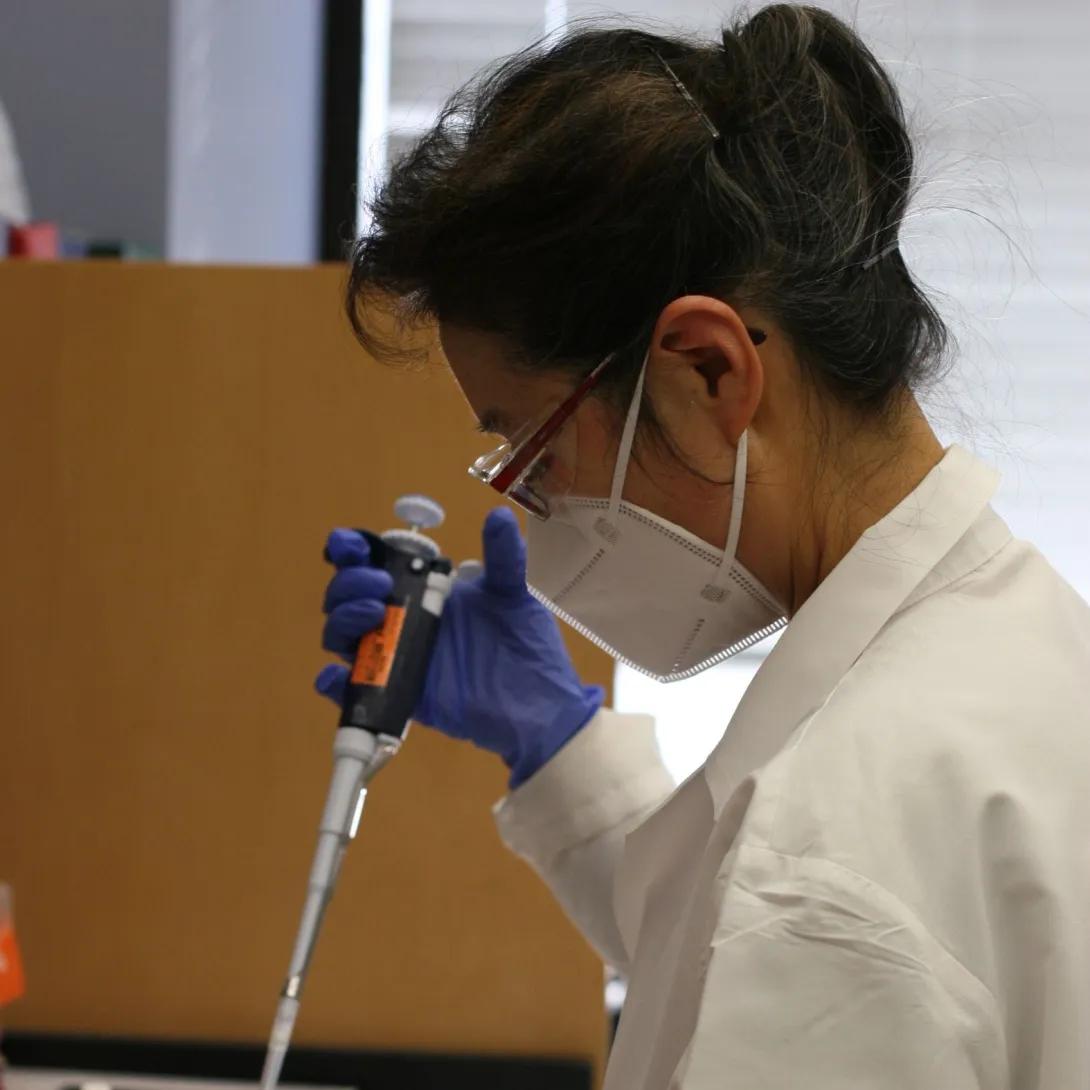
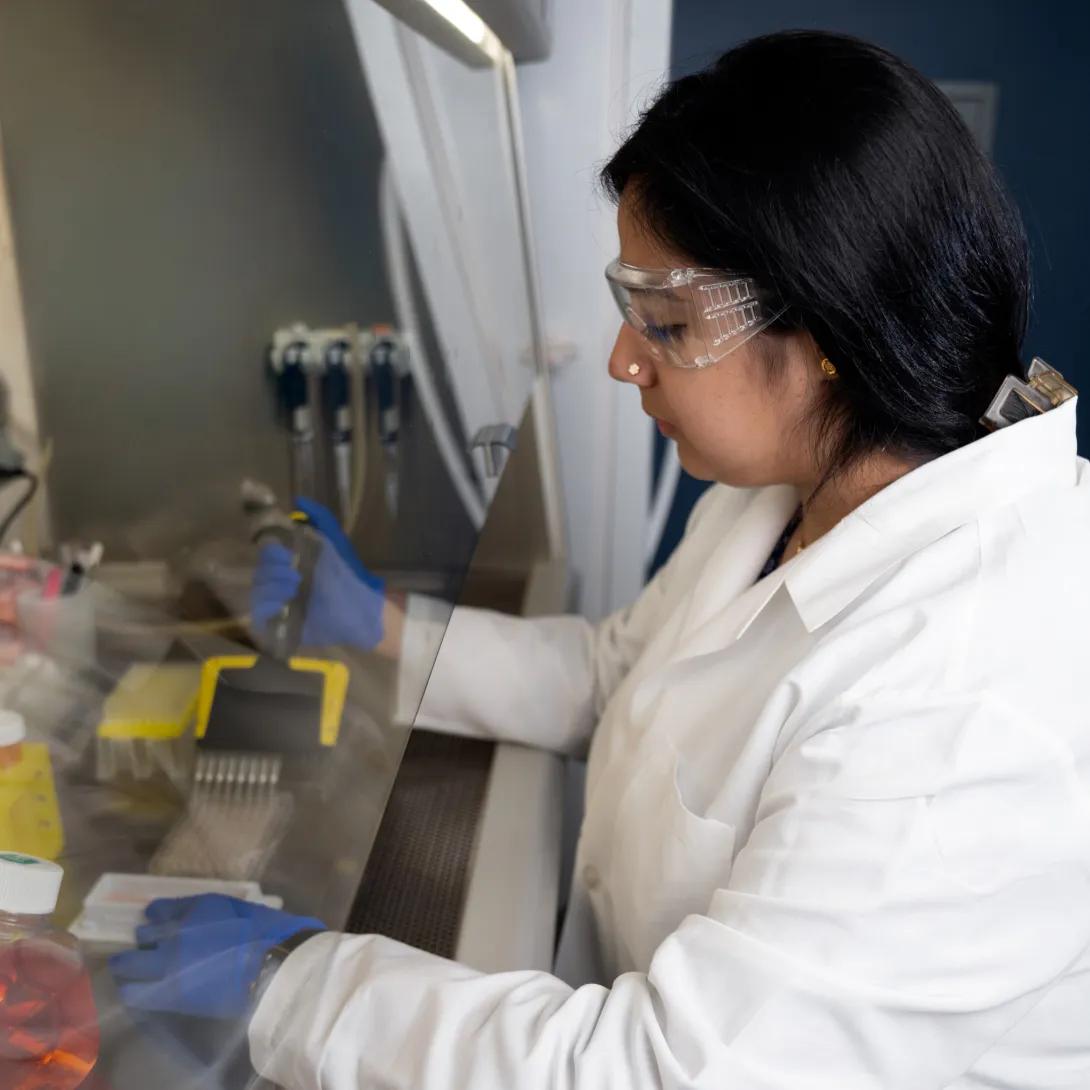
- Objective 1: Test minimally cultured non-small cell lung cancer samples, obtained at the time of diagnosis and recurrence or progression.
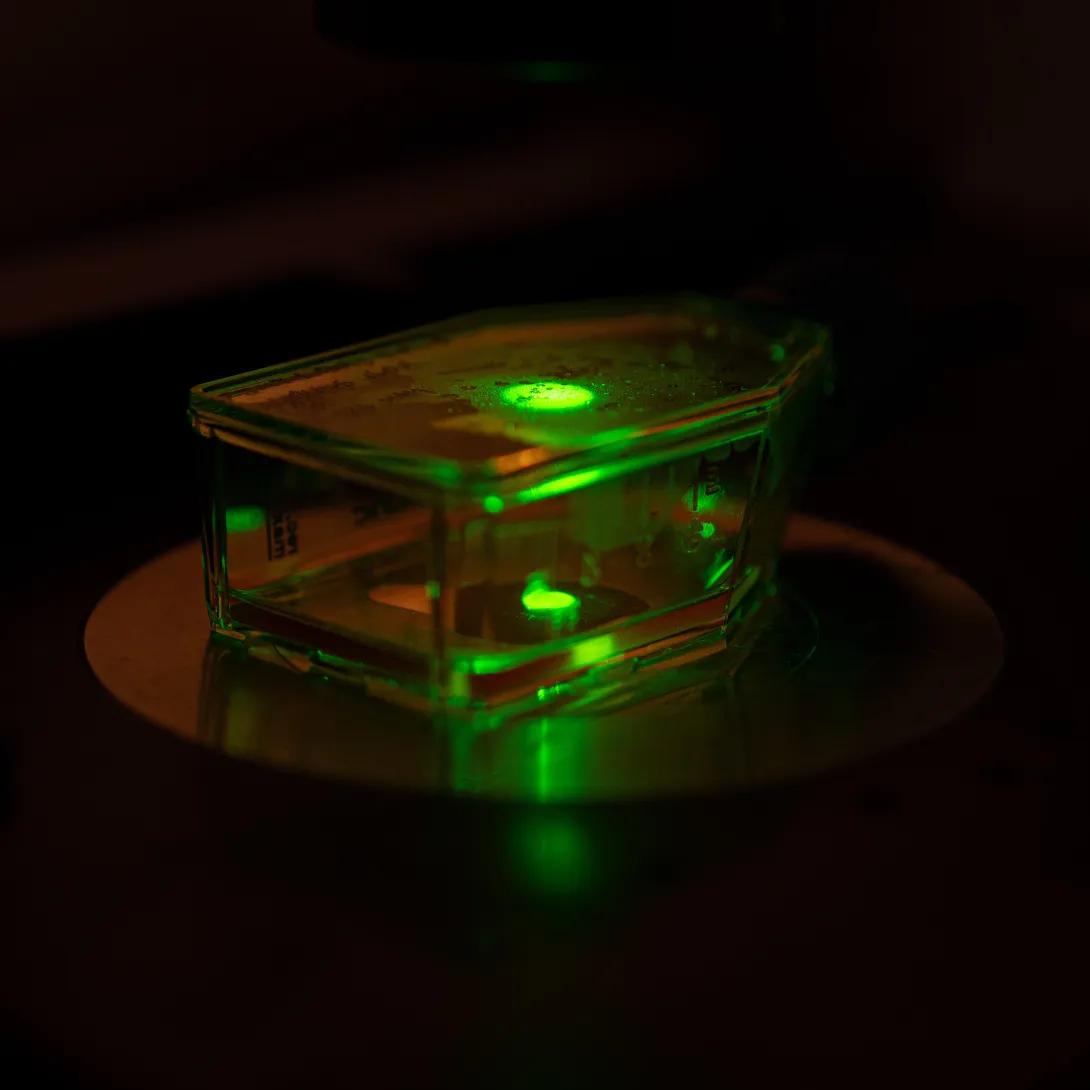
- Objective 2: Molecularly characterize PDOs to identify therapeutic vulnerabilities and changes over the course of pathogenesis.
- Objective 3: Utilize NGS and bioinformatics infrastructure to characterize pathogenesis.
Our collaboration with Genprex
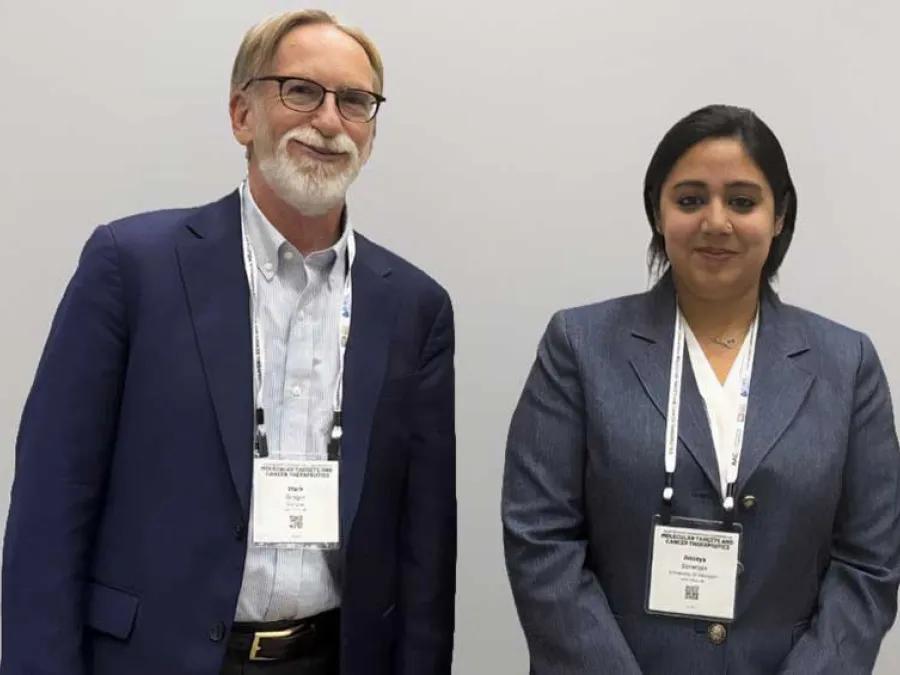
Genprex is honored to have an active and productive collaboration with the Judith Tam ALK Lung Cancer Research Initiative. Through this partnership, our company has been able to conduct important and successful preclinical research that opens the door for a new clinical trial that of quaratusugene ozeplasmid (REQORSA) and seeks to offer additional treatment options for patients with ALK rearrangements.
Dr. Mark Berger, MD
Chief Medical Officer for Genprex
Project One Co-Leaders

Sofia D Merajver
GreaterGood Breast Cancer Research Professor
Professor of Internal Medicine
Medical School and Professor of Epidemiology
School of Public Health
Professor of Internal Medicine
Medical School and Professor of Epidemiology
School of Public Health

Nathan M Merrill, PhD
Research Assistant Professor
Internal Medicine
Medical School
Internal Medicine
Medical School
Aaron Udager
Clinical Associate Professor
Postdoctoral Researchers

Ananya Banerjee, PhD
Postdoctoral Research Fellow
Hamadi Madhi, PhD
Postdoctoral Research Fellow

Mark Slayton, PhD
Postdoctoral Research Fellow
Maryam Nakhjiri, PhD
Postdoctoral Research Fellow
