
Project 3 | Judith Tam ALK Lung Cancer Research Initiative
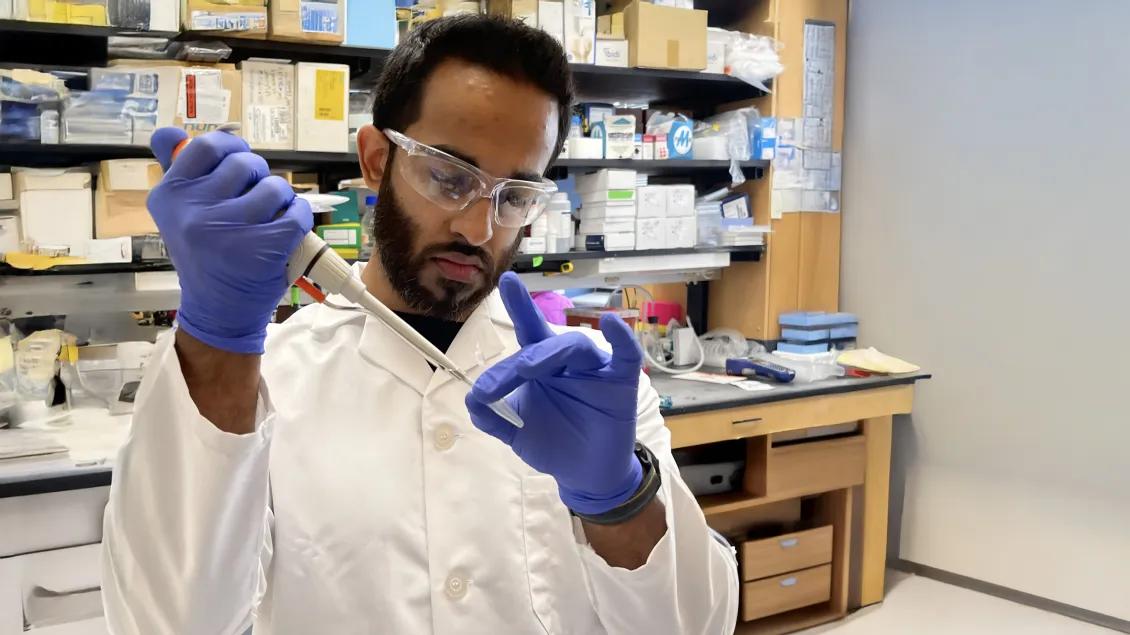
Novel Therapeutics Against ALK Driven NSCLC
Combination and Allosteric ALK Inhibition to Overcome Resistance in ALK+ NSCLC
- Pursuing New Approaches to Invent and Test a New Strategy for Using Combinations of Drugs Against ALK and Create Novel Inhibitors Against ALK, by Targeting a Portion of the ALK Molecule Not Usually Targeted by Conventional Therapies.
- Drug combinations are commonly employed in cancer therapeutics to increase anti-tumor efficacy and decrease the rates of resistance. In chronic myelogenous leukemia, for example, five FDA-approved drugs address a specific genetic challenge, with each taking on a different resistance mechanism. Recently, clinical trials have shown that combinations of these approved inhibitors can improve outcomes. To date, this strategy has not been explored with ALK rearrangement in non-small cell lung cancer. Here, we propose evaluating the combination of ALK inhibitors in patient samples to determine whether the combinations, such as the leukemia example, lead to reduced resistance and increased anti-tumor efficacy.
- In addition to using the six FDA-approved ALK inhibitors, we will also undertake efforts to identify allosteric ALK inhibitors that bind and inhibit ALK kinase in a distinct location from the six approved inhibitors.
- Ultimately, we aim to identify optimal combinations of ALK inhibitors that will reduce resistance and increase anti-tumor efficacy to enhance progression-free survival in patients with ALK-rearranged non-small cell lung cancer. Other drug companions of ALK inhibitors can also be explored, based on these results.

OBJECTIVES
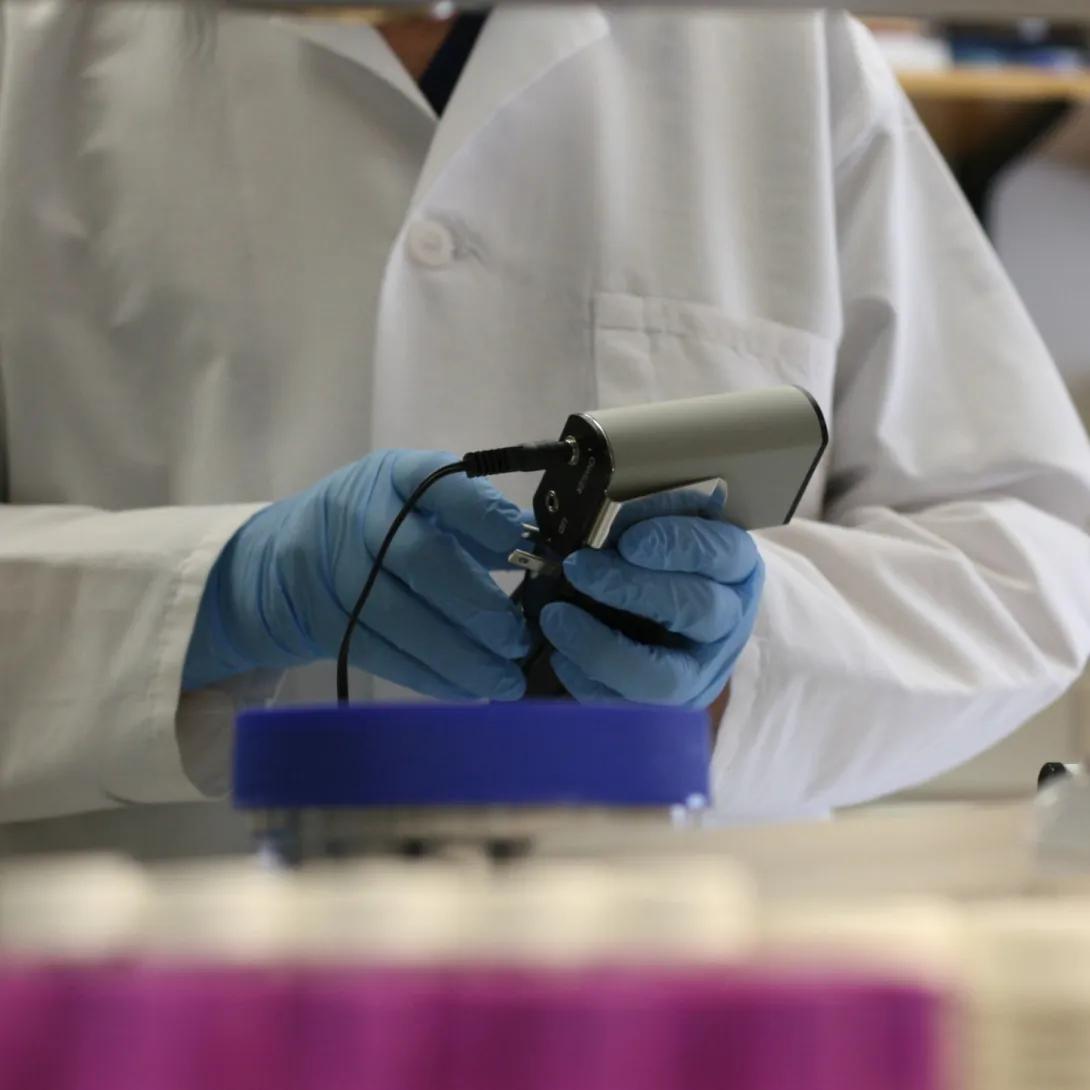
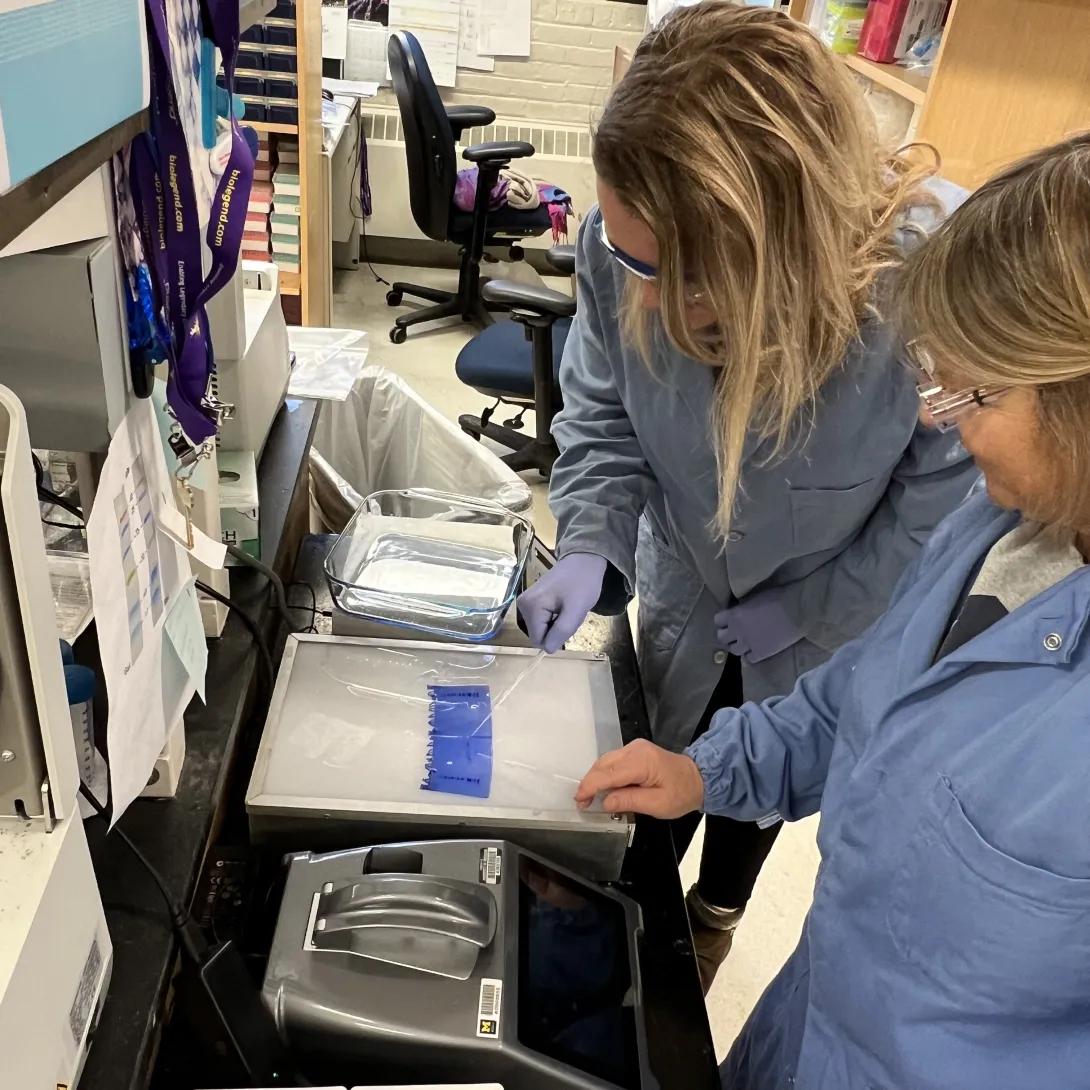
- Objective 1: Understand resistance pathways to clinical ALK inhibitors. We propose to characterize a panel of EML4- ALK transformed non-small cell lung cancer cell lines using genomic and drug response characterizations. We will engineer resistance to clinical ALK inhibitors (alectinib and lorlatinib) and characterize the resistant cell lines to understand molecular pathways of ALK inhibitor resistance.
- Objective 2: Identify clinical drugs or drug combinations that can inhibit the growth of ALK inhibitor resistant cell lines. We propose to identify drugs and/or combination of drugs that can kill resistant EML4-ALK cell lines using a high throughout phenotypic screening platform.
- Objective 3: Develop novel therapies for ALK+ NSCLC. We propose to develop novel compounds that can degrade the EML4-ALK protein within the cell. Once developed, we will evaluate in our EML4-ALK cell lines, and we will compare the resistance pathways of our novel compounds to traditional ALK inhibitors. Our goal is to develop broad-spectrum ALK degraders that can degrade existing resistant mutations.
Project Co-leaders

Sofia D Merajver
GreaterGood Breast Cancer Research Professor
Professor of Internal Medicine
Medical School and Professor of Epidemiology
School of Public Health
Professor of Internal Medicine
Medical School and Professor of Epidemiology
School of Public Health
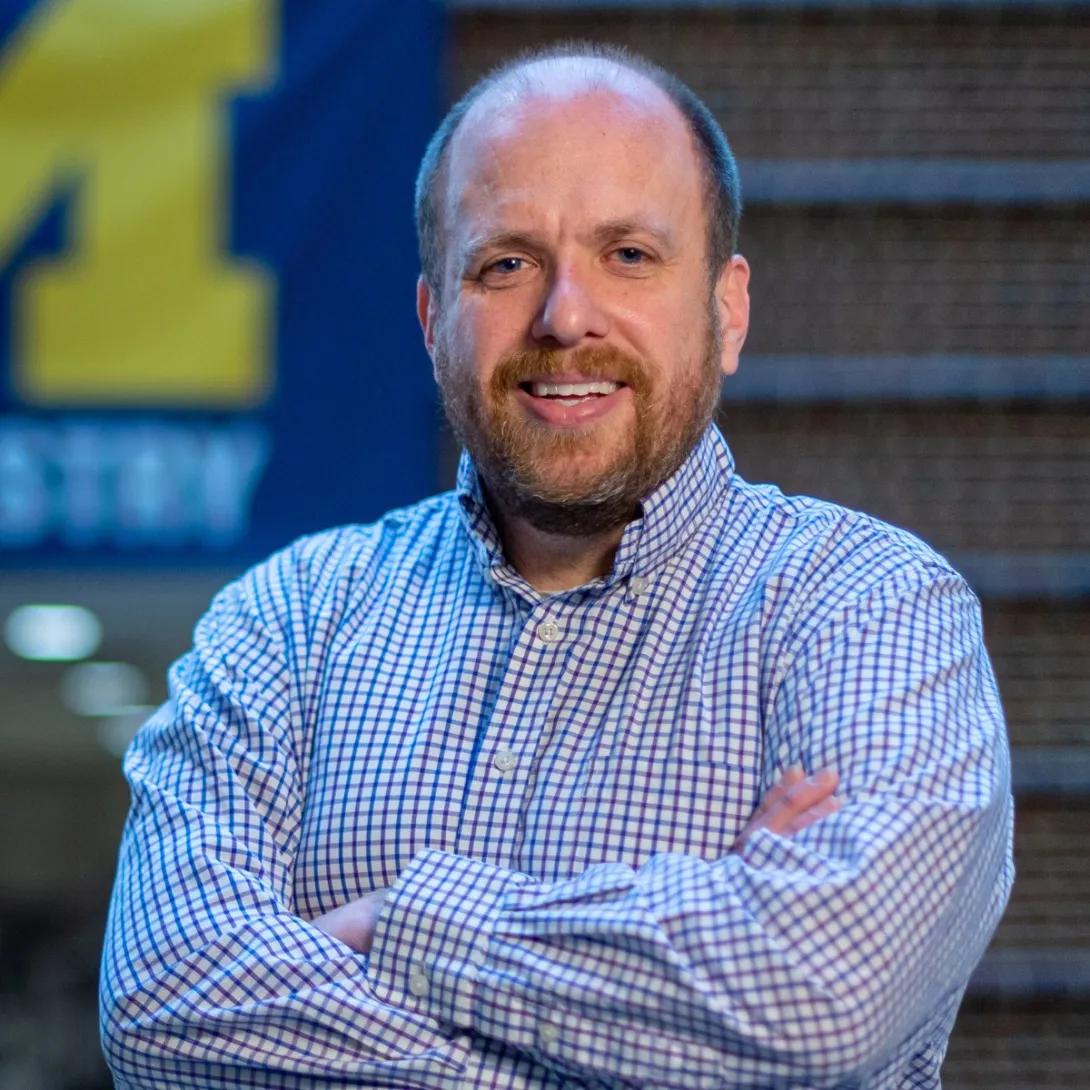
Matt Soellner
Associate Professor of Chemistry, College of Literature, Science, and the Arts
Associate Professor of Internal Medicine, Medical School
Associate Professor of Internal Medicine, Medical School

Peter Toogood
Research Associate Professor and Director of Michigan Drug Discovery (MDD)
Former Postdoctoral Researchers

Sultan Ahmed, PhD

Rachel Sexton, PhD
Postdoctoral Research Fellow
Wuxiang Mao, PhD
Postdoctoral Research Fellow
