Emergency Medicine Research
Research & Innovation
We're committed to creating the future of emergency care through innovative research and creative scholarship.
Leading the Charge Through Research
In 2026, the Department of Emergency Medicine is ranked #3 in the nation for NIH funding, with $16.9 million awarded annually—representing more than 10% of total funding among ranked departments. Four faculty are ranked among the top 25 NIH-funded investigators nationally.
This milestone builds on a sustained track record of research excellence. For more than a decade, our department has consistently been ranked among the top five Departments of Emergency Medicine in the U.S. in NIH funding. As one of the most successful academic emergency medicine programs in the country, our research mission continues to expand, generating 418 publications, 12 invention reports, and $23.9 million in research dollars in FY2025 alone.
The U-M Medical School Department of Emergency Medicine cultivates research focused on preclinical, clinical, implementation and policy aspects of emergency medicine and critical care. Our faculty, composed of research and clinical leaders—including 4 members of the National Academy of Medicine and 1 member of the National Academy of Innovators—play an active role in directing the national research agenda related to the care of acutely ill and injured patients, injury prevention, and health.
This commitment to excellence is further demonstrated by our establishment of the first R38 physician-scientist training program in emergency medicine, positioning U-M as a national leader in developing the next generation of clinician-researchers.
By the Numbers
Research Opportunities
With over 25 years of experience in developing students, residents, and faculty for careers in emergency research, the Department of Emergency Medicine provides solid support for cultivating productive, funded researchers. Training opportunities range from summer projects for first-year medical students to long-term career development, including extramural training grants and first independent research funding
The University of Michigan Emergency Medicine’s preclinical laboratories encompass a diverse portfolio of basic science and analytical labs that play a crucial role in advancing translational research. These labs provide controlled environments for studying the underlying biological, chemical, and physiological processes related to acute care. Researchers investigate mechanisms of injury, disease progression, and potential therapeutic interventions, creating the foundation for new diagnostic tools and treatment protocols. Analytical labs utilize advanced technologies, animal models and human samples to quantify biomarkers, detect pathogens, and test novel therapeutic interventions, contributing to rapid and accurate diagnosis during emergencies. Through translational research efforts, findings from the University of Michigan’s Emergency Medicine labs are translated into practical applications, helping to enhance evidence-based practices and foster innovation in the life-saving care delivered by emergency medicine teams.
- Center for Diagnostic Excellence - Director: Prashant Mahajan, MD, MPH, MBA
- Emergency Medicine Education and Research by Global Experts (EMERGE) - PI: Prashant Mahajan, MD, MPH, MBA
- Michigan Emergency Department Improvement Collaborative (MEDIC) - Co-Directors: Keith Kocher, MD, MPH and Michele Nypaver, MD
- Michigan StrokeNet - PI: Phillip Scott, MD
- SIREN Clinical Coordinating Center - PI's: Robert Silbergleit, MD and William Barsan, MD
- The Max Harry Weil Institute for Critical Care Research and Innovation - Director: Kevin Ward, MD
UM Injury Prevention Center - Co-Directors: Douglas Wiebe, PhD and Patrick Carter, MD
- Massey TBI Grand Challenge Competition
- Neuro-EM Scholars; Career Development Program for EM Research in the Neurological Sciences
- Resident Wolverine Den Competition
- StARR (EM Physician-Scientist) Training Program
- T32 Firearm Safety Among Children and Teens (FACTS): Multidisciplinary Research Training Program
- Weil Institute Critical Care Research Training Programs
American Academy of Chairs in Emergency Medicine (AACEM)
- Distinguished Service Award: Neumar, Robert (2023)
American Academy of Emergency Medicine (AAEM)
- Peter Rosen Award for Academic Leadership: Barsan, William (2004)
American College of Emergency Physicians (ACEP)
- 911 Legislative Network Member of the Year: Uren, Brad (2023)
- Award for Outstanding Contributions in Research: Ward, Kevin (2024); Cunningham, Rebecca (2019); Neumar, Robert (2017); Barsan, William (2004)
- Emergency Medicine Choosing Wisely Champion: Kocher, Keith (2018)
- Rising Star Award: Hsu, Cindy (2017)
- Urgent Matters Injury Prevention Innovation of the Year Award: Carter, Patrick (2019)
American Society for Clinical Investigation
- Elected, Member: Korley, Frederick (2024)
American Heart Association (AHA)
- Cor Vitae Award: Neumar, Robert (2016)
- Hemorrhagic Stroke Research Excellence Award: Royan, Regina (2023)
- Stroke Data Challenge Runner Up: Royan, Regina (2024)
- Young Investigator Award: Hsu, Cindy (2020); Ansari, Sardar (2016); Sanderson, Thomas (2014)
National Academy of Medicine (NAM)
- Elected Member: Korley, Frederick (2025); Carter, Patrick (2023); Neumar, Robert (2015); Barsan, William (2003)
National Academy of Inventors (NAI)
- Elected Member: Kevin Ward (2023)
Society for Academic Emergency Medicine (SAEM)
- AEUS Best International Research Award: Theyyunni, Nik (2020); Oteng, Rockefeller (2019)
- AEUS Distinguished Service Award: Theyyunni, Nik (2024)
- Annual Meeting Semi-Finalist for Basic Science: VanEpps, Scott (2014)
- Annual Sonogames Competition, 2nd Place: Theyyunni, Nik (2014)
- Arnold P. Gold Foundation Humanism in Medicine Award: Harvey, Carrie (2024); Sozener, Cemal (2021, 2020, 2019); Barsan, William (2018); Losman, Eve (2014)
- AWAEM Early Career Educator/Research Award: Hsu, Cindy (2019)
- Best Clinical Research Award: Brent, Christine (2023)
- Best Faculty Research Abstract in Pediatric Emergency Care: Kocher, Keith (2017)
- Best Research Abstract, Semi-finalist: Kocher, Keith (2014)
- CDEM Innovation in Medical Education Award: House, Joseph (2014)
- Early Investigator Award: Hsu, Cindy (2022); Ward, Kevin (2020); Carter, Patrick (2019); Kocher, Keith (2017); Meurer, Will (2015)
- Excellence in Research Award: Silbergleit, Robert (2021); Ward, Kevin (2020)
- Hal Jayne Excellence in Educaton Award: Barsan, William (1995)
- John Marx Leadership Award: Neumar, Robert (2020); Barsan, William (2005)
- Mentor Award: Kocher, Keith (2023)
- Mid-Career Investigator Award: Korley, Frederick (2021); Meurer, Will (2020)
- Organizational Advancement Award: VanEpps, Scott (2024)
- SimWars National Champion: Haas, Nathan (2018)
Society for Critical Care Medicine (SCCM)
- Barry A. Shapiro Memorial Award for Excellence in Critical Care Management: Bassin, Ben (2020)
- Presidential Citation Award: Bassin, Ben (2018); Gunnerson, Kyle (2005 & 2006)
United States Public Health Service
- National Award for Excellence in Public Health: Royan, Regina (2018)
Research Leadership
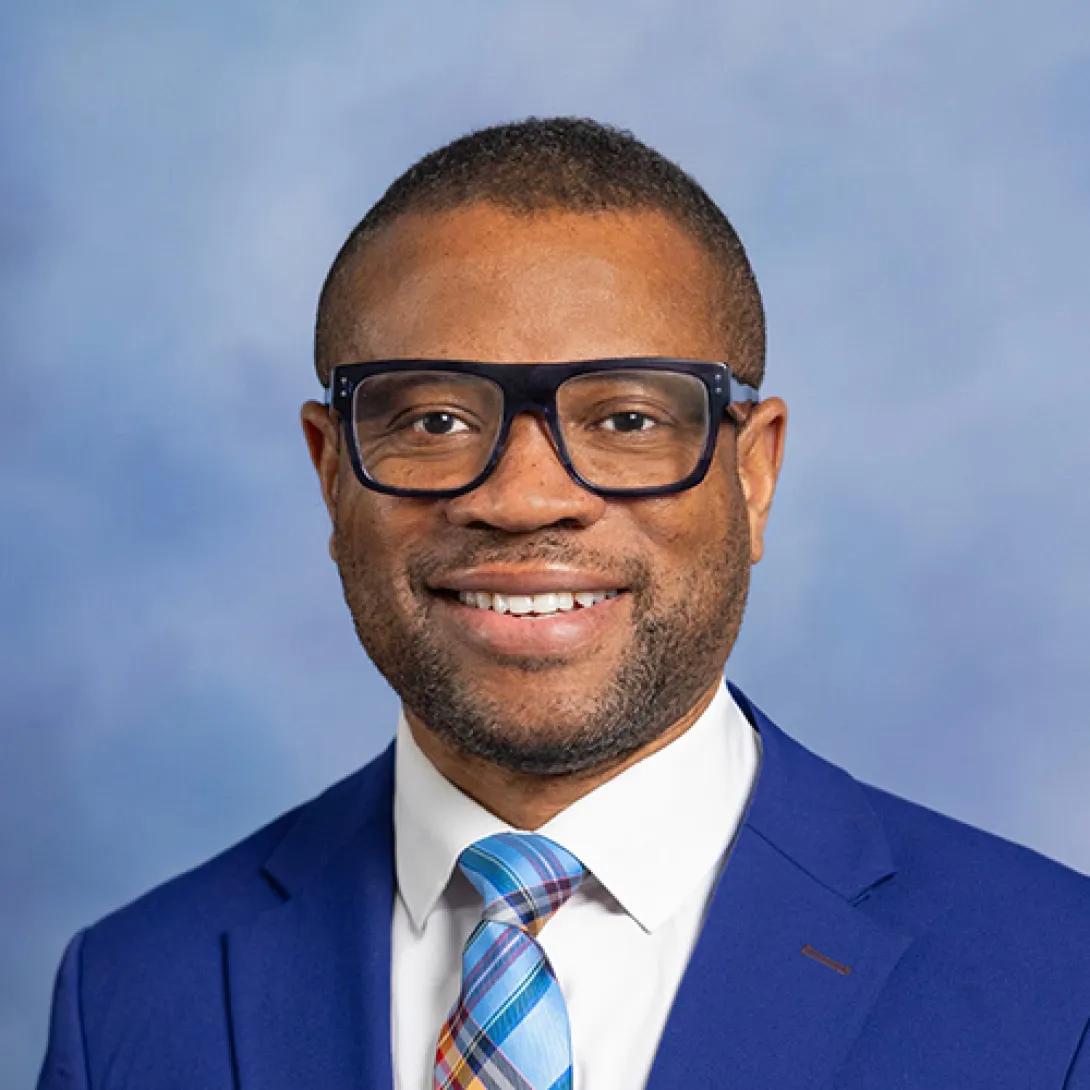
Frederick Korley, MD, PhD
Massey TBI Grand Challenge Scientific Director-Weil Institute
Professor of Emergency Medicine
Medical School
Featured News & Stories
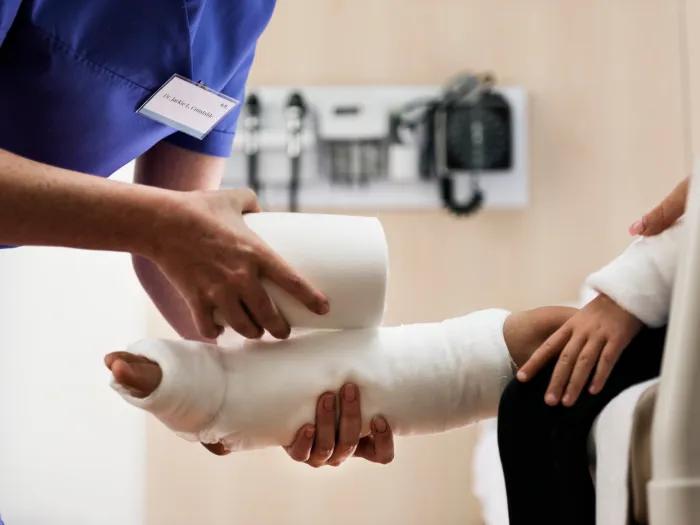
Nerve blocks for kids’ broken legs: U-M helps show a safer, faster way to stop the pain
Medicaid billed for 52% of U.S. hospital costs from gun injuries