About Molecular & Integrative Physiology
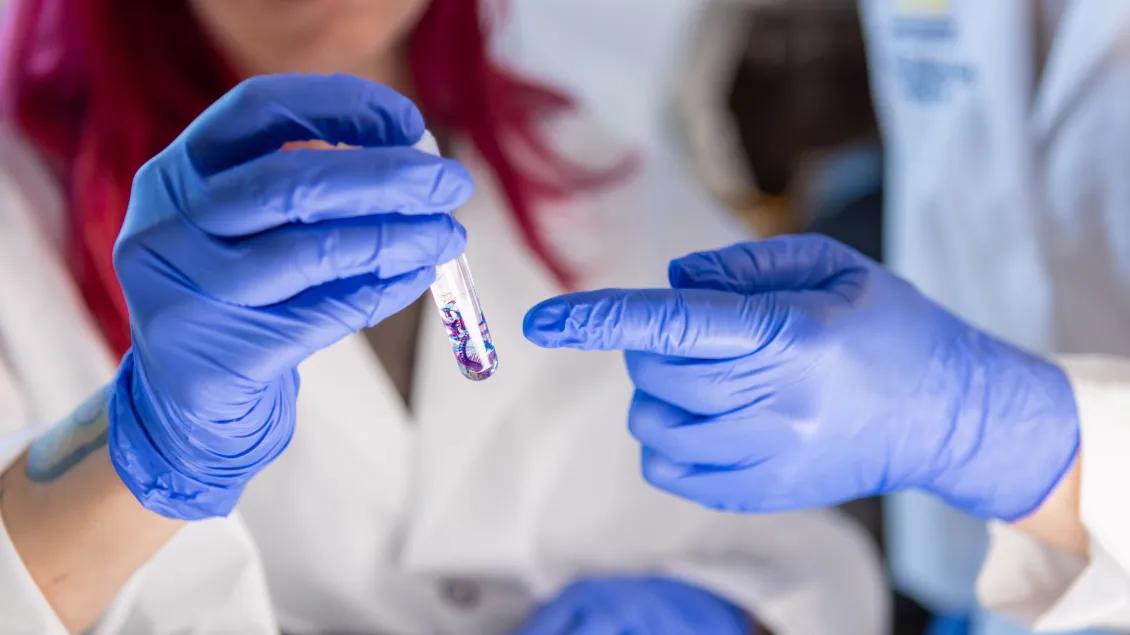
Two gloved hands holding and examining a test tube with a colorful liquid, with one person pointing at the tube for emphasis.

Trailblazers in Molecular & Integrative Physiology

Learn about our past and see how we're shaping the future with decades of discovery and innovation.

Excellence in Molecular & Integrative Physiology

The U-M Medical School Department of Molecular & Integrative Physiology is renowned for its nationally recognized research programs in basic and translational physiology. The department boasts a significant tradition of research funding from federal entities (such as the National Institutes of Health, Department of Defense, and the National Science Foundation), various foundations, and industry partners. Our faculty actively directs the national research agenda to advance the science of physiology.

Leadership & Administration

Meet our community of leaders, mentors and trailblazers.

Newsletters

See what our department has been up to with the latest editions of Physiology Matters.

Giving

Support our work in education, research and empowering the next generation of leaders in physiology.

Physiology Through the Years

Physiology, the study of organism function, has intrigued humans since ancient times. Modern physiology began in the 19th century with foundational concepts from Claude Bernard and Walter Cannon. The field has been integral at the University of Michigan since the Medical School's inception in 1850, and specialized research started under Henry Sewall in 1882. Michigan's contributions have been significant, with over 250 Ph.D. graduates making landmark discoveries.

Key contributions include

Role in founding the American Physiological Society (1887)
Leadership in humane laboratory animal treatment
Foundational educational texts and widely used resources

Landmark findings cover a wide array of areas:

  • Beneficial effects of fever
  • Stomach's hydrochloric acid secretion
  • Wigger’s Diagram for heart cycles
  • Brain's role in ovulation
  • Mathematical models for physiological systems
  • HIV infection pattern modeling
  • Pituitary growth hormone functions
  • Muscle regenerative capabilities in aging
  • Real-time telemetry in mice

Additional contributions include insights into metabolism, diet effects, muscle health, calcium's role in hypertension, adipogenesis, synaptic transmission, and pain physiology.

Today, physiology remains a crucial field, especially in interpreting vast datasets from genomic and reductionist approaches to understand systemic functions and responses to environmental and disease factors. Our department continues to play a pivotal role in this ongoing effort.

Our History
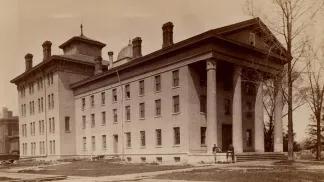
Grand Opening
University of Michigan (UM) Medical School opens.
old Medical School building old Medical School building
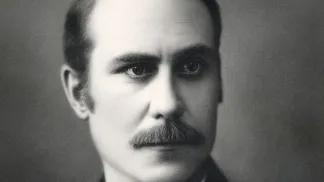
UM Physiology Established
Henry Sewall, PhD becomes first Chair of Physiology.
history image of Seawall history image of Seawall
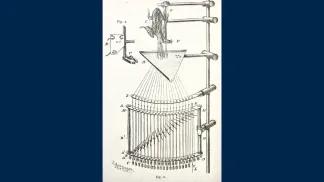
The "Muscle Harp"
Warren Lombard, third chair of the Department of Physiology, invents the "Muscle Harp".
diagram of a muscle harp diagram of a muscle harp
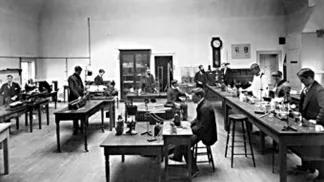
Early Research
Student laboratory of Dr. Warren Lombard, third Chair of the Department of Physiology.
Lombard lab historical image Lombard lab historical image
First PhD
Department of Physiology awards the first PhD in Physiology.
university seal logo university seal logo
Department Relocation
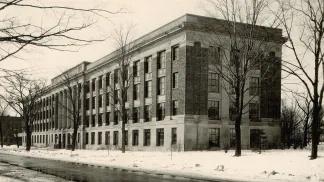
The Department of Physiology moves to the East Medical Building.
Historical image of building Historical image of building
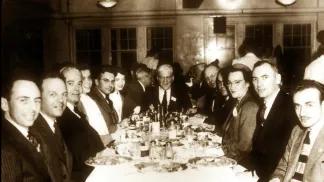
Physiology Faculty Gathering
Historical image of department fellows Historical image of department fellows
Department Relocation
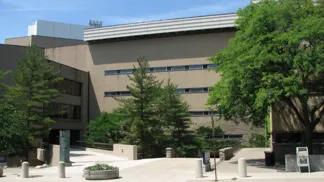
The Department of Physiology moves to the Medical Science II Building.
Buhl center outside building image Buhl center outside building image
Human Physiology
First edition manuscript of Vander, Sherman & Luciano's Human Physiology
Historical image of Hmip-humanphysumanphys Historical image of Hmip-humanphysumanphys
Department Renaming
Department name changed to Molecular & Integrative Physiology.
umich banner placeholder for MIP umich banner placeholder for MIP
125 Years
Molecular & Integrative Physiology celebrates 125 years as a department.
125 years banner for Physiology Matters 125 years banner for Physiology Matters
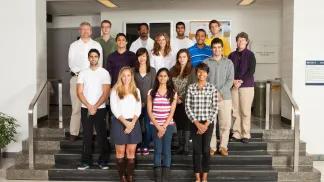
First MS Class
Inaugural Physiology MS Program class.
group picture of masters students in hall of MIP building group picture of masters students in hall of MIP building
Henry Sewall Professorship
Dr. Christin Carter-Su is the first recipient of the Henry Sewall Professorship in Physiology.
Summer Undergraduate Programs
Inaugural classes of Summer Undergraduate Programs.
Christian Carter Su Christian Carter Su
SEEK Program
Department of Physiology starts the Science Education & Engagement for Kids (SEEK) outreach program.
seek banner seek banner
APS President
Linda Samuelson, PhD is 93rd president of the American Physiological Society (APS President.)
Profile \]picture of samuelson Profile \]picture of samuelson
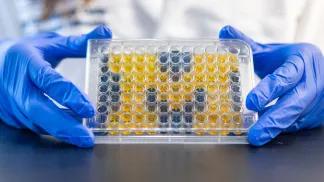
Research Collaboration Is Key
Caswell Diabetes Institute (CDI) established.
showing test tray to camera showing test tray to camera

Featured News & Stories

See all news
purple yellow red cells up close
Health Lab

Study explains how colorectal cancer cells maintain high iron levels
How colorectal cancer cells maintain high iron levels, according to Michigan Medicine research.
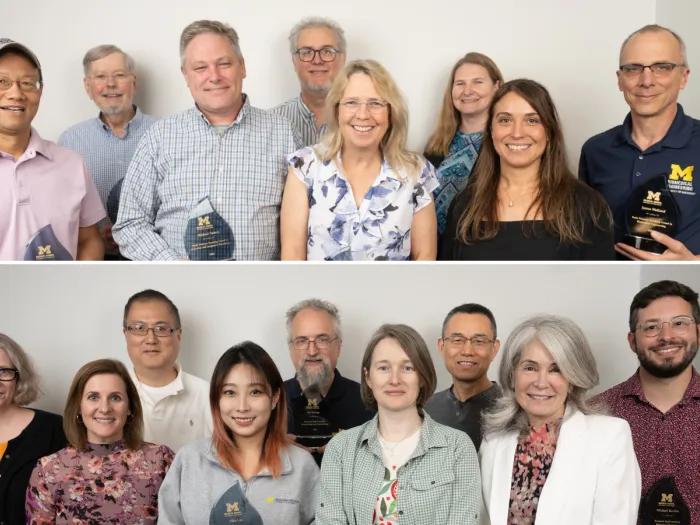
Groups of people stand together. These are the 2026 EBS awardees.
Medical School News

Celebrating outstanding teaching and research at the 2026 Endowment for Basic Sciences Awards

The 2026 Endowment for Basic Sciences Awards recognized nine faculty and nine research staff members for their accomplishments in teaching and research.
donut with brain character looking at plate
Health Lab

New study reveals a missing step in a weight control pathway that could be targeted for obesity treatment

New research led by Liangyou Rui, Ph.D., of the Department of Molecular & Integrative Physiology at the University of Michigan Medical School outlines a missing step in one of these alternative pathways, an important discovery in the fight against obesity.
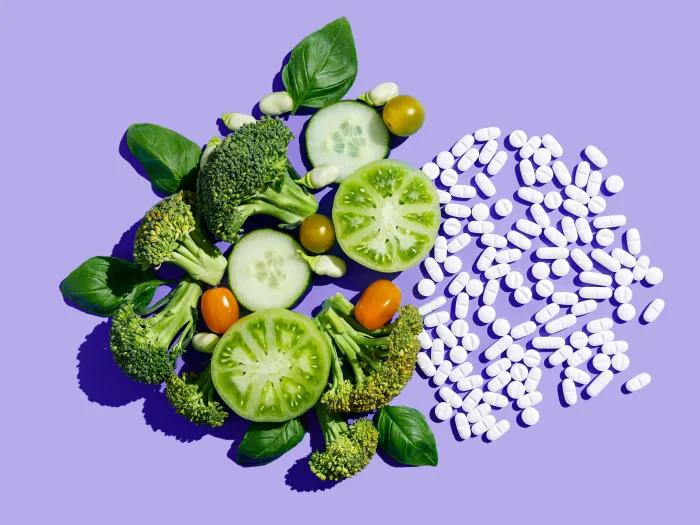
plants and pills purple background
Health Lab

Gut hormone FGF15 changes how mice respond to weight loss

University of Michigan researchers found that a gut hormone known as fibroblast growth factor 15, or FGF15, is essential for preserving lean mass during diet-induced weight loss. Their results suggest that effective weight-loss strategies need to be tailored to each patient.
Kanakadurga (Durga) Singer, M.D., M.A.
Medical School News

Kanakadurga Singer, MD, MA, appointed Associate Dean for Faculty

Kanakadurga (Durga) Singer, M.D., M.A., has been appointed associate dean for faculty in the Medical School, effective April 1, 2026. The provost has provided interim approval of this appointment, and it will be reported at the May Board of Regents meeting.
The Office of Graduate & Postdoctoral Studies 2025-2026 Ph.D. Student Awards
Department News

A Celebration of Graduate Education

The Office of Graduate & Postdoctoral Studies 2025-2026 Ph.D. Student Awards