Molecular & Integrative Physiology Research

The Frontier of Physiology
Our department is home to nationally-recognized research programs in basic and translational aspects of physiology.
A United Front in Physiology Research
The U-M Medical School Department of Molecular & Integrative Physiology is home to nationally-recognized research programs in basic and translational aspects of Physiology. Our department has a long tradition of research support from the federal government (including the National Institutes of Health, Department of Defense, and the National Science Foundation), numerous foundations, and industry. Our faculty members play a very active role in directing the national research agenda related to the advancement in the science of physiology.
Our goals:
- To conduct research that will improve the basic understanding how molecules, cells and organs integrate together in living organisms.
- To determine how significant disorders such as cardiovascular disease, obesity, and infertility can be reversed or prevented.
- To sustain an environment in which our faculty members can make high-impact contributions to their fields.
- To recruit and train the next generation of investigators in physiology through programs for undergraduate, graduate student, medical student, and both basic and clinical post-doctoral scientists.
- To extend national research service and leadership through activities with other educational institutions, professional organizations, and governmental groups.

Our Labs
See how we're advancing scientific knowledge of physiological processes, from molecular mechanisms to skeletal structures and beyond.
Featured News & Stories

Intermittent fasting can reverse diabetes in mice, study finds

Nine from Medical School honored as part of annual Faculty and Staff Awards
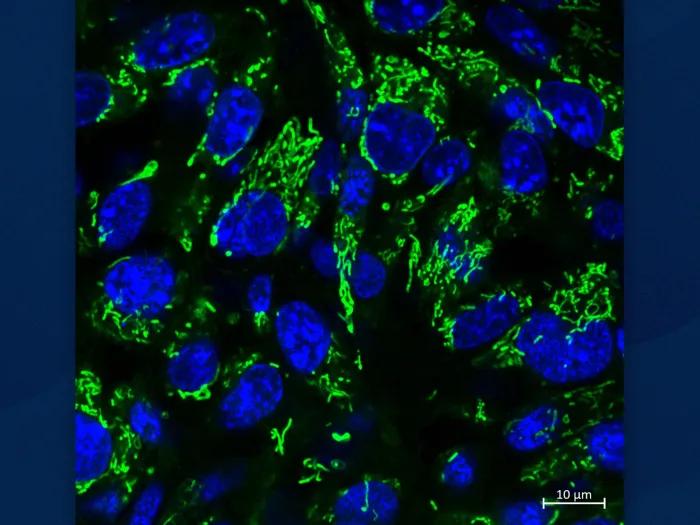
Engineered nanoparticles sensitize gliomas to radiotherapy
New oral nanomedicine boosts effectiveness of cancer immunotherapies
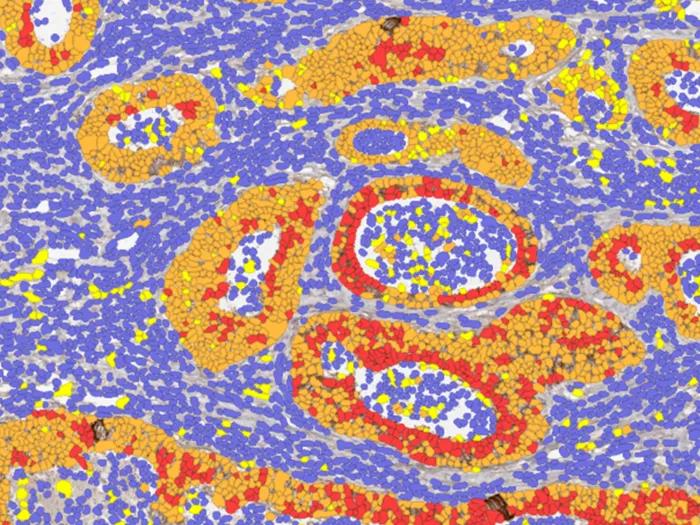
Study explains how colorectal cancer cells maintain high iron levels