Molecular & Integrative Physiology Education

Three researchers in lab coats and safety glasses smiling as they examine a sample in a laboratory setting, with one holding a petri dish and the others observing.

Unlock Your Potential in Physiology

We offer broad-based training with an emphasis on integrating cell and molecular processes to understand systems physiology.

Your Future Starts Here

The U-M Medical School Department of Molecular & Integrative Physiology provides numerous opportunities for professional and academic development. This includes broad-based training in modern physiology, focusing on integrating cell and molecular processes to understand systems physiology comprehensively.

Students and trainees are critical facets of our department, each bringing unique strengths and contributions. We tailor educational opportunities to the individual, ensuring every student and trainee can maximize their potential.

PhD Program

Conduct research across various fields, from cell and molecular biology to whole-animal integrative physiology, while honing your teaching, critical thinking and presentation skills in a supportive environment.

MS Program

With our flexible, intensive one-year MS degree, learners can pursue either a course-oriented path for health professions or a research-focused track to deepen their research interests.

Postdoctoral Training

Prepare for the next step in your career with valuable training in writing, funding, lab management and job searching, along with seminars, a postdoc symposium and teaching opportunities.

Undergraduate Research Opportunities

With our 12-week summer program, undergraduate students can gain additional research experience outside of their home institutions.

Human Anatomy & Physiology Minor

Undergraduate students gain essential knowledge for careers in healthcare, research, and education, with flexible coursework tailored to your goals.

Outreach

med student talking to young students in a classroom

Our department's science is vital for understanding organism health and disease, yielding knowledge and potential cures. Equally important is promoting community science through programs like SEEK (Science Engagement and Education for Kids), which arose from Physiology PhD students' visits to local schools. 

SEEK, featuring hands-on activities about bodily systems, has grown through word-of-mouth and now includes participants from various Michigan programs. To provide lasting science exposure, we began frequent, shorter visits to underserved schools in 2022-2023, preparing students for state M-STEP exams and offering Michigan trainees valuable teaching and communication experience.

Learn more about SEEK

Grade Grievance Policy

The departmental grievance policy is the preferred method for resolution, but additional grievance resolution mechanisms are available for Rackham students.

Department Grade Grievance Policy

Featured News & Stories

See all news
Alarm clock sitting on a white dinner plate with blue and yellow flowers on the rim and a fork and knife positioned on either side of the plate.
Health Lab

Intermittent fasting can reverse diabetes in mice, study finds
Study shows intermittent fasting and meal timing can help reverse type 2 diabetes by resting pancreatic beta cells
2026 Faculty and Staff Awards
Medical School News

Nine from Medical School honored as part of annual Faculty and Staff Awards
Michigan Medicine recently announced its 2026 Faculty and Staff Awards. This year’s recipients include nine winners with Medical School appointments, including seven faculty and two staff members. This year’s Faculty and Staff Awards ceremony will be Dec. 3 at the Jack Roth Stadium Club in Michigan Stadium
cells close up blue and green background microscope
Health Lab

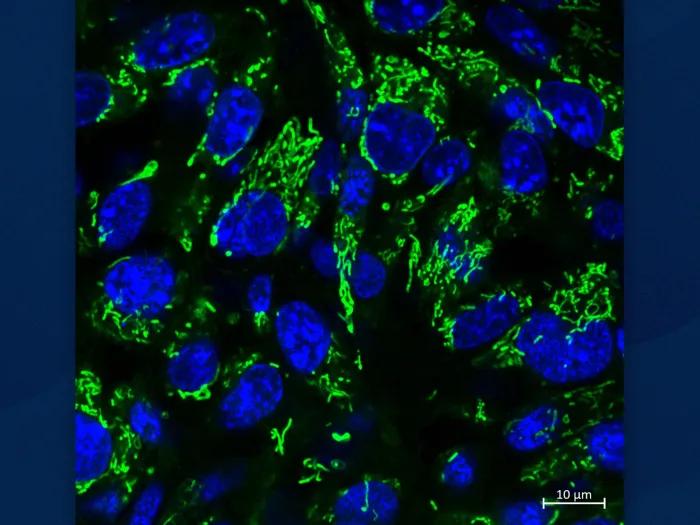
Engineered nanoparticles sensitize gliomas to radiotherapy
University of Michigan researchers discovered a new pathway that sensitizes mIDH1 gliomas to radiation in human and mouse mIDH1 glioma cells and mouse models, paving the way for phase 1 clinical trials in humans
microbes inside gut yellow
Health Lab

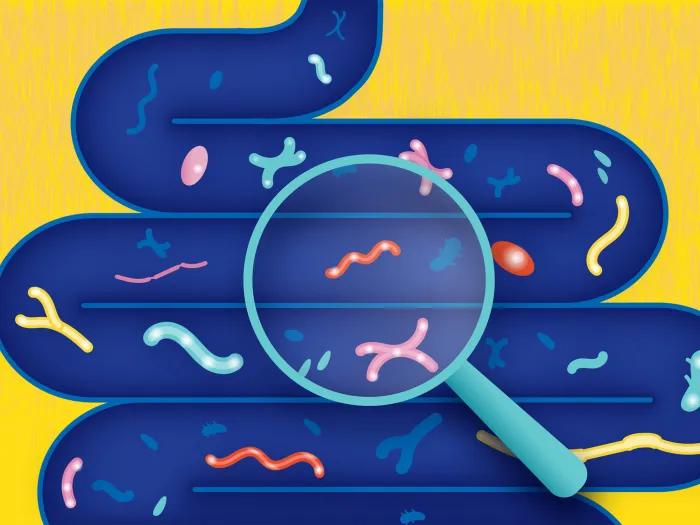
New oral nanomedicine boosts effectiveness of cancer immunotherapies
University of Michigan researchers developed an oral drug that can increase the ability of T cells to attack tumors. The drug uses the microbial metabolite 3,4-dihydroxybenzoic acid, which is derived from dietary fiber.
purple yellow red cells up close
Health Lab

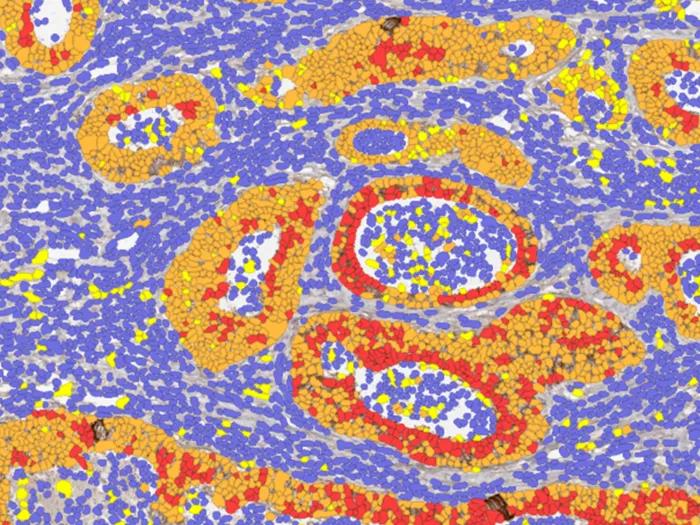
Study explains how colorectal cancer cells maintain high iron levels
How colorectal cancer cells maintain high iron levels, according to Michigan Medicine research.
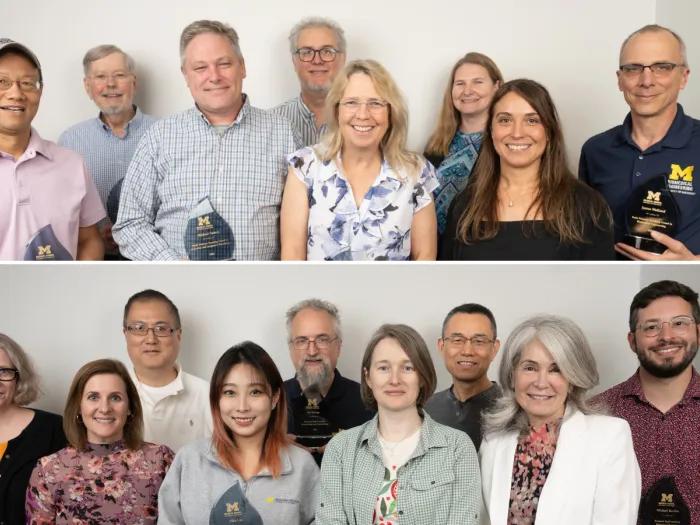
Groups of people stand together. These are the 2026 EBS awardees.
Medical School News

Celebrating outstanding teaching and research at the 2026 Endowment for Basic Sciences Awards

The 2026 Endowment for Basic Sciences Awards recognized nine faculty and nine research staff members for their accomplishments in teaching and research.